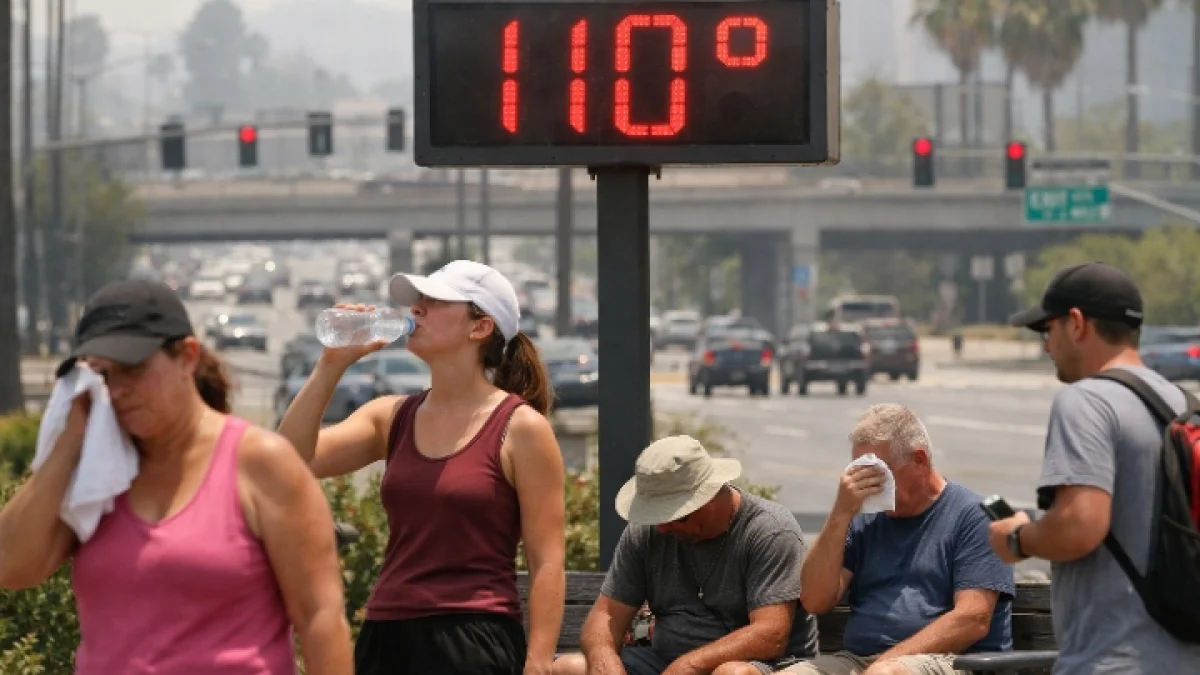
Extreme heat spreading across the central and eastern United States ahead of the July 4 holiday is emerging as a broad test of the country's infrastructure as millions of people travel, attend outdoor celebrations and increase electricity consumption during one of the busiest periods of the year. The National Weather Service has warned that dangerous temperatures and high humidity are expected to persist across large areas, with heat indices exceeding 110 degrees Fahrenheit in some locations and little overnight relief in many cities.
The significance of the event extends beyond unusually hot weather. The combination of sustained high temperatures, elevated humidity and peak holiday demand is simultaneously stressing power systems, transportation networks, public health services and emergency management agencies. While individual heat waves are familiar seasonal events, prolonged episodes affecting multiple densely populated regions at once increase the likelihood that failures in one system—such as electricity, transportation or healthcare capacity—can cascade into others.
Electricity demand represents one of the most immediate challenges. Air-conditioning use rises sharply during prolonged heat, pushing utilities toward seasonal demand peaks. Grid operators across affected regions have intensified monitoring, while utilities have prepared additional repair crews in anticipation that thunderstorms accompanying the heat could trigger localized outages. Although operators have generally indicated that sufficient generating capacity remains available, officials continue to monitor conditions closely because prolonged heat reduces transmission efficiency while increasing demand almost continuously throughout the day and night.
The episode also highlights broader structural pressures facing the U.S. electric system. Analysts have increasingly noted that electricity demand is rising not only because of weather extremes but also because of expanding data centers, electric vehicle charging and broader electrification trends. Those long-term developments mean that future heat waves could coincide with higher baseline demand than in previous decades, making resilience planning increasingly important even if grids continue to avoid widespread failures during individual events.
Transportation infrastructure is facing similar strains. Rail operators, including Amtrak and regional commuter systems, have warned passengers to expect slower service because steel rails can expand during prolonged extreme heat, increasing the risk of track deformation. Highway travel also becomes more complicated as vehicle breakdowns become more frequent and roadside assistance demand rises. Aviation operations may experience localized disruptions as high temperatures affect aircraft performance and ground operations, although impacts vary by airport and aircraft type.
Public health officials view sustained overnight warmth as one of the most concerning characteristics of the current event. Normally, cooler nighttime temperatures allow the human body to recover from daytime heat stress. When temperatures remain elevated overnight, especially in densely built urban areas where concrete and asphalt retain heat, risks increase for older adults, young children, people with chronic illnesses and those without reliable access to air conditioning. Emergency departments in several cities have reported increased heat-related calls while municipalities have expanded cooling centers, mobile assistance programs and welfare checks for vulnerable residents.
The timing ahead of Independence Day further complicates risk management. July 4 traditionally combines large outdoor gatherings, extended travel and recreational activities that expose people to prolonged periods in direct sunlight. In response, some cities have shortened parades, adjusted event schedules, expanded medical staffing or relocated activities indoors where feasible. These measures illustrate how local governments are increasingly adapting public events to accommodate more frequent periods of dangerous heat rather than treating them as isolated emergencies.
The heat wave also fits into a broader international pattern. Parts of Europe have experienced severe heat during the same period, reinforcing scientific assessments that rising global temperatures are increasing both the frequency and intensity of extreme heat events. Climate scientists generally emphasize that no single heat wave can be attributed solely to climate change. However, research published over recent years indicates that human-driven warming has made prolonged, record-breaking heat substantially more likely and has increased the probability that high temperatures coincide with elevated humidity, worsening health risks.
Another notable aspect is the growing emphasis on preparedness rather than response alone. Federal weather agencies have expanded the use of heat-risk forecasting products designed to communicate health impacts instead of temperature alone, while local governments increasingly integrate heat planning into emergency management alongside hurricanes, floods and winter storms. The shift reflects recognition that extreme heat consistently ranks among the deadliest weather hazards in the United States, even though it often receives less public attention than more visible natural disasters.
For now, officials continue to monitor electricity demand, transportation disruptions, heat-related illnesses and evolving weather conditions, including thunderstorms that could complicate recovery efforts by causing localized power outages. Forecasters expect dangerous conditions to persist through the holiday period across much of the central and eastern United States, while emergency managers and utility operators remain focused on maintaining essential services and protecting vulnerable populations until temperatures begin to moderate.