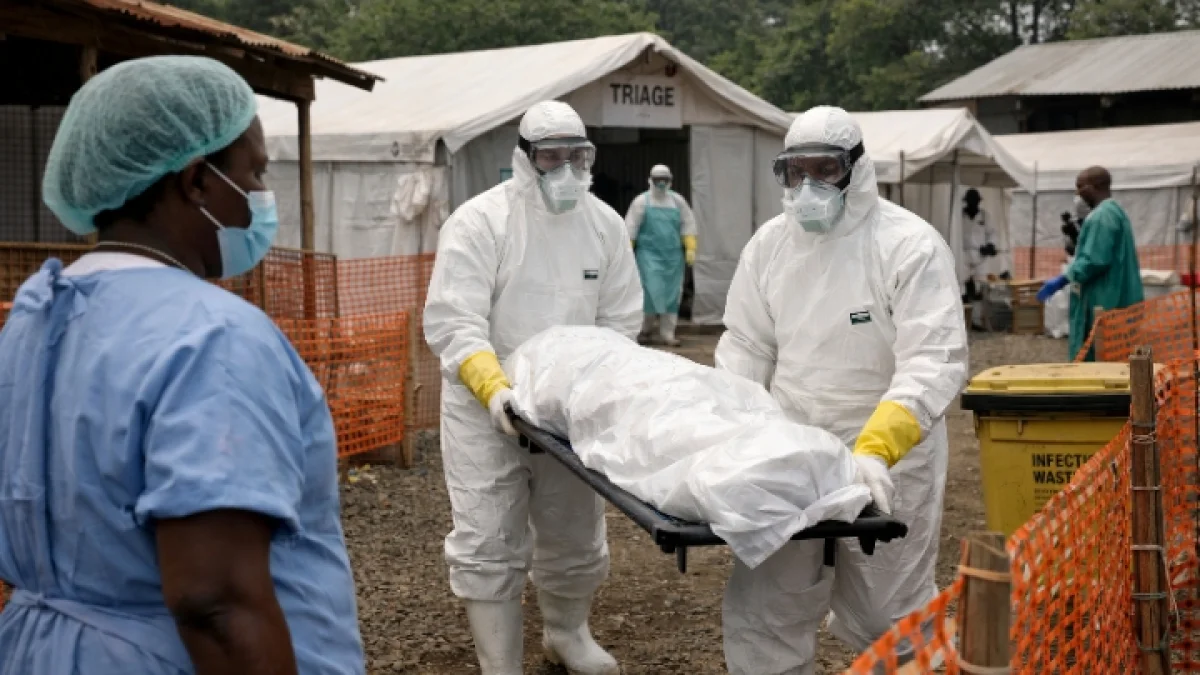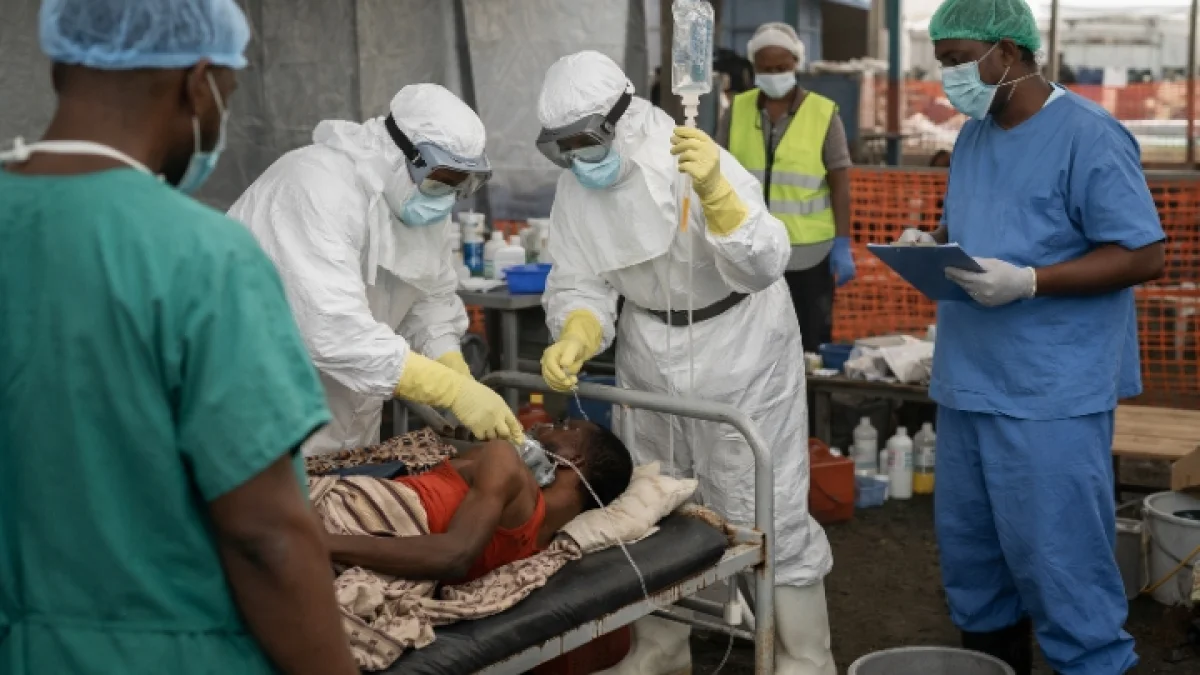
The Democratic Republic of the Congo's Ebola outbreak has reached at least 930 confirmed deaths, marking another escalation in what health authorities describe as the fastest-growing recorded outbreak caused by the Bundibugyo strain of the virus. The latest increase has coincided with mounting pressure on frontline health workers, including fatalities among medical personnel, attacks on treatment facilities, and strikes linked to unpaid salaries, factors that public health officials say are complicating efforts to contain transmission.
The combination of rising mortality and weakening response capacity has shifted attention beyond the headline death toll to the resilience of the outbreak response itself. Unlike previous Ebola emergencies in which licensed vaccines or established treatments became central tools, the Bundibugyo virus responsible for the current epidemic has no approved vaccine or specific treatment. That limitation increases reliance on rapid case detection, isolation, contact tracing, infection prevention and supportive clinical care, making the availability and safety of trained health workers especially critical.
According to Congolese health authorities and the World Health Organization (WHO), confirmed infections have continued to expand across multiple provinces, with Ituri remaining the epicenter. WHO has reported sustained transmission in dozens of health zones and warned that many newly identified infections originate from previously unidentified chains of transmission. Such findings suggest that surveillance systems are still struggling to detect all infections before they generate additional spread.
The pressure on healthcare personnel has become both a humanitarian and epidemiological concern. Dozens of healthcare workers have died during the outbreak, while payment disputes have prompted strikes among response staff. At the same time, authorities have documented attacks on health facilities and response teams, reflecting longstanding security challenges in eastern Congo. These developments reduce workforce availability precisely when intensive surveillance, community engagement and clinical care require sustained staffing.
The current outbreak also illustrates how health emergencies intersect with broader governance and security conditions. Eastern Congo has experienced years of armed conflict, population displacement and fragile healthcare infrastructure. Public health specialists have repeatedly noted that insecurity can delay access to affected communities, interrupt vaccination or treatment campaigns where available, discourage reporting of suspected infections and complicate safe burial practices. Although these structural challenges predate the present epidemic, they continue to shape its trajectory.
Another significant feature of the outbreak is the difficulty of measuring its true scale. WHO has cautioned that increases in reported cases partly reflect expanded surveillance and laboratory testing rather than solely accelerating transmission. At the same time, the organization has emphasized that many infections remain epidemiologically unlinked to previously known cases. Together, those factors indicate that surveillance is improving while substantial transmission may still be occurring outside identified contact networks.
The international implications remain under close observation. Uganda has reported imported cases linked to the outbreak but has not identified sustained community transmission in recent weeks, allowing authorities to begin the enhanced surveillance period required before an outbreak can be declared over if no additional cases emerge. Individual travel-related cases have also been managed outside Africa through medical evacuation and isolation, underscoring the importance of cross-border surveillance without indicating widespread international transmission.
The absence of an approved vaccine for the Bundibugyo strain has increased interest in experimental countermeasures. Researchers continue to evaluate candidate vaccines and therapeutics, while health authorities emphasize that supportive medical care, rapid diagnosis and strict infection-control measures remain the principal tools available. The outbreak therefore differs operationally from recent Ebola emergencies involving the Zaire strain, where licensed vaccines became a major component of response strategies.
Governments outside the region have also adjusted public health policies in response to the outbreak. The United States recently introduced temporary travel restrictions affecting individuals departing the Democratic Republic of the Congo, citing efforts to reduce the risk of international spread. Some public health experts have questioned whether such measures could complicate humanitarian operations or discourage transparency among affected populations, illustrating the continuing debate over balancing border controls with outbreak response.
The outbreak also highlights recurring lessons from previous Ebola epidemics. Historical experience in Central and West Africa has shown that outbreak control depends not only on medical interventions but also on community trust, reliable financing, secure access for health workers and effective disease surveillance. Where those systems weaken simultaneously, containment becomes substantially more difficult even when technical expertise is available. Current assessments from WHO and Congolese authorities suggest those broader operational challenges remain central to the present response.
The confirmed situation remains fluid as health authorities continue investigating new cases, expanding surveillance and monitoring transmission chains across affected provinces. Officials are closely tracking whether response capacity can stabilize despite workforce shortages and security incidents, whether unidentified transmission networks can be brought under control, and whether neighboring countries continue to prevent sustained community spread through ongoing surveillance and coordinated international public health measures.