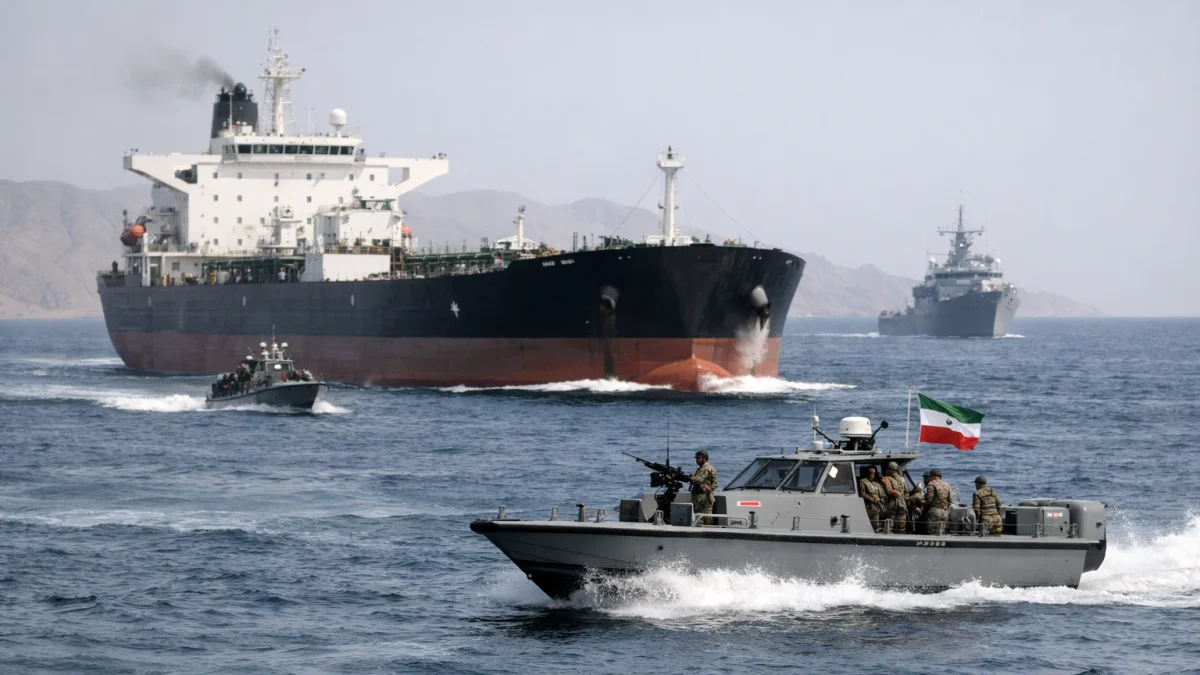
LONDON — Oil market analysts said renewed tensions around the Strait of Hormuz are increasing the likelihood of higher crude prices, as investors weigh the risk of supply disruptions through one of the world's most important energy shipping routes.
Brent crude climbed above $86 a barrel on July 14, while U.S. West Texas Intermediate traded above $80, after military and diplomatic tensions involving the United States and Iran intensified and shipping activity through the Strait of Hormuz slowed, according to market data and Reuters reporting.
The Strait of Hormuz handles a significant share of globally traded crude oil and petroleum products. Analysts said any sustained disruption to tanker movements or export infrastructure could tighten global supplies and add a geopolitical risk premium to oil prices.
Several market analysts cited by Reuters said prices could remain in an $85-$90 per barrel range if tensions persist and shipping disruptions continue, although they emphasized that the outlook depends on how long the security situation lasts and whether energy flows are materially affected.
The International Energy Agency (IEA) said in its July Oil Market Report that renewed exchanges of fire in the Gulf have clouded the outlook for oil markets after conditions had begun improving earlier in the summer. The agency said its forecasts assume tanker traffic through the Strait gradually recovers, warning that renewed hostilities could undermine expectations for a return to surplus supply later in the year.
The latest gains reverse part of a sharp decline in oil prices seen in June, when an interim easing of regional tensions and a recovery in Gulf exports reduced concerns about prolonged supply shortages. Analysts had lowered their annual price forecasts at the time as shipping through the Strait resumed.
Market participants are now closely monitoring vessel traffic, official statements from governments involved in the dispute and any signs of damage to energy infrastructure. While some producers have said exports continue, traders remain focused on whether disruptions become prolonged enough to affect physical supplies rather than sentiment alone.
Beyond energy markets, higher crude prices could complicate inflation trends for major economies by increasing fuel and transportation costs, potentially influencing monetary policy expectations if elevated prices persist. Financial markets have also reflected heightened caution as investors assess the broader economic implications of the regional tensions.
As of July 14, no lasting resolution to the latest escalation had been announced, and analysts said oil prices would likely remain sensitive to developments affecting security and shipping in the Strait of Hormuz.