Technical negotiations between the United States and Iran in Qatar have introduced a structured but still fragile diplomatic channel aimed at de-escalating one of the most volatile confrontations in the Gulf in recent years, with early discussions focusing on maritime security in the Strait of Hormuz, sanctions relief mechanisms, and the sequencing of commitments under a broader interim framework.
The Doha talks, confirmed by multiple diplomatic sources and mediated by Qatar and Pakistan, represent a continuation of a 60-day roadmap agreed in earlier Swiss-hosted meetings that established a phased process for addressing the conflict, including a ceasefire arrangement and preparatory steps toward a comprehensive settlement covering Iran’s nuclear programme and regional security disputes. The current round is described by officials as “technical,” meaning it is focused on implementation details rather than high-level political bargaining, even as senior political figures from both sides remain engaged indirectly through mediators in Doha.
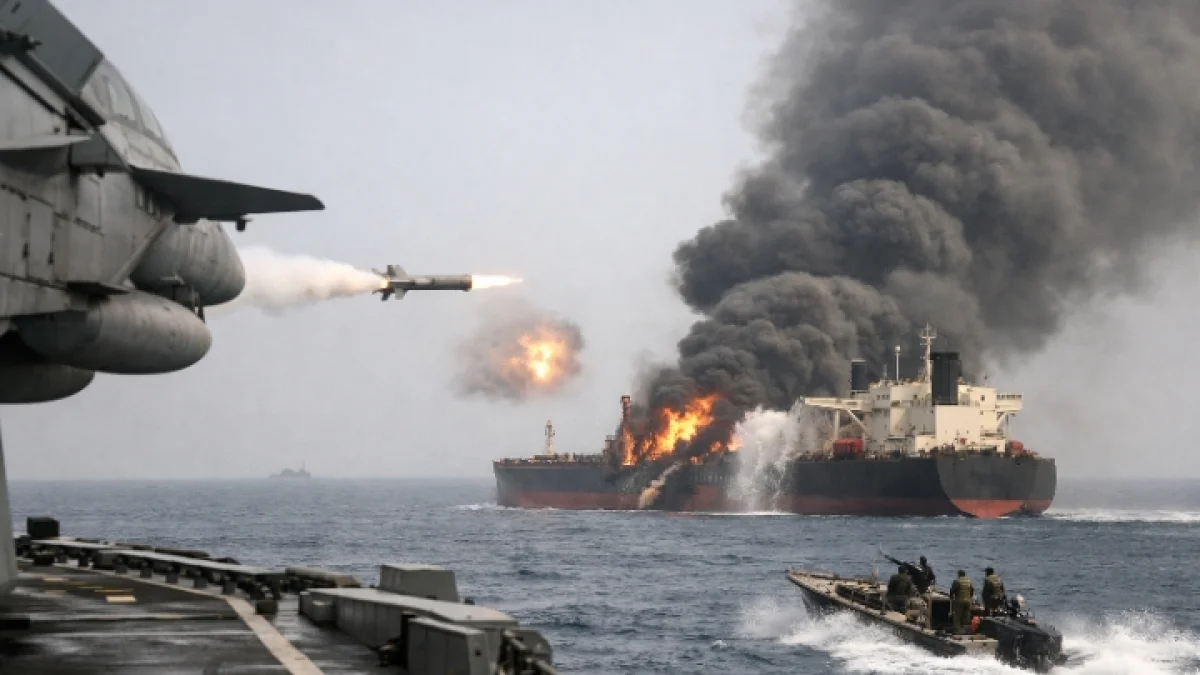
The significance of the Qatar channel lies in its attempt to stabilise an escalation cycle that has repeatedly flared since late February, when armed exchanges involving U.S. and Israeli strikes on Iranian-linked targets triggered broader regional disruptions, particularly in maritime trade routes. The Strait of Hormuz, through which a substantial share of global seaborne oil flows, has become the central pressure point in negotiations. Recent reporting indicates that the two sides are attempting to restore predictable transit conditions after a period of attacks on shipping and retaliatory strikes that reduced traffic and increased insurance and freight costs.
At the core of the technical agenda is the question of how maritime security will be enforced and who will bear responsibility for compliance. U.S. officials have prioritised the resumption of unrestricted commercial shipping and the prevention of any system of transit fees or tolls, which Washington views as inconsistent with freedom of navigation principles. Gulf Arab states have echoed concerns that any Iranian attempt to formalise control or levy charges on the strait could set a precedent affecting global trade flows. Iran, by contrast, has continued to assert a form of sovereign regulatory authority over its side of the waterway and has linked maritime arrangements to broader economic concessions, including access to frozen assets held abroad and sanctions relief.
Another key element under discussion is the handling of previously frozen Iranian funds, including estimates of around $6 billion held in accounts in Qatar, which Iranian officials have sought to access under conditions tied to compliance mechanisms. U.S. negotiators are reportedly using these financial instruments as incentives within a phased agreement structure, linking disbursement to verification steps and compliance with interim security arrangements. While details remain contested, this financial dimension underscores how economic levers are being integrated into what was previously a predominantly security-driven confrontation.
The mediating role of Qatar has been central to keeping the process active. Doha has hosted successive rounds of indirect engagement and continues to facilitate communication between technical committees. According to Qatari officials, no direct high-level U.S.–Iran meeting is currently scheduled, and exchanges are taking place primarily through mediators and parallel consultations. This structure reflects mutual political constraints: Washington seeks to avoid legitimising direct engagement without concrete concessions, while Tehran has resisted formal bilateral encounters absent clarity on sanctions relief and security guarantees.
Despite the technical nature of the talks, political signalling from both sides has increased. U.S. officials have publicly suggested cautious optimism about progress, while also maintaining that military options remain available if diplomacy fails. Iranian officials, meanwhile, have rejected some interpretations of the framework circulating in Western statements, particularly regarding maritime governance and the sequencing of sanctions relief. These divergences highlight that while channels of communication are open, core political disagreements remain unresolved.
The regional implications extend beyond the bilateral relationship. Gulf financial markets have reacted positively to signs of de-escalation, reflecting expectations that reduced maritime risk could stabilise energy exports and insurance costs. However, analysts caution that markets remain sensitive to any breakdown in talks, given the history of rapid escalation in the Gulf theatre.
The current phase of negotiations is therefore best characterised as a stabilisation effort rather than a resolution process. The technical talks in Doha are designed to test whether operational agreements—particularly on shipping security and financial access—can be implemented without immediate political settlement on the most contentious issues, including Iran’s nuclear programme and broader regional military posture.
The situation remains fluid, with no confirmed timeline for transition from technical discussions to higher-level political negotiations. Mediators continue to monitor compliance with the existing ceasefire framework and are working to prevent renewed maritime incidents that could disrupt the talks. Whether the Doha process develops into a durable diplomatic track will depend on whether both sides can convert limited technical understandings into enforceable political commitments without triggering renewed escalation.