The photographs are among the few possessions Elena Paredes says she was able to recover after returning to the site where her apartment building once stood on Venezuela's Caribbean coast. Fifteen days after twin earthquakes devastated parts of La Guaira state, neighbors helped her retrieve pictures and a television from the damaged structure. They also recovered the bodies of her daughter and mother, she told Reuters at the scene.
"It wasn't until today, after 15 days, that I was able to rescue my daughter and my mother," Paredes said, describing how neighbors, rather than official responders, assisted in the recovery. The photographs, she said, had become reminders of a life that no longer existed.
For thousands of Venezuelans, the search for what remains has become intertwined with another uncertainty: what comes next. Families displaced by one of the country's deadliest natural disasters in recent history are navigating temporary shelters, damaged neighborhoods and an uncertain reconstruction effort while some with relatives or immigration cases connected to the United States confront additional questions about whether they will be able to reunite with family or seek longer-term security abroad.
The earthquakes that struck Venezuela on June 24 killed thousands, according to official figures that continued to rise through July as search crews recovered more victims. Entire residential buildings collapsed in coastal communities, while tens of thousands of people were displaced. Authorities, aid organizations and foreign rescue teams have remained engaged in recovery efforts weeks after the disaster, even as attention has begun shifting toward rebuilding homes and restoring livelihoods.
Among those living with uncertainty are Venezuelans whose relatives reside in the United States or whose hopes of resettlement depend on immigration processes that have slowed or remain unresolved. Lawyers and migrant advocates say disaster survivors with family abroad often face prolonged waits for humanitarian pathways, while U.S. immigration policies have tightened in recent years, leaving many unsure whether emergency circumstances will alter existing rules.
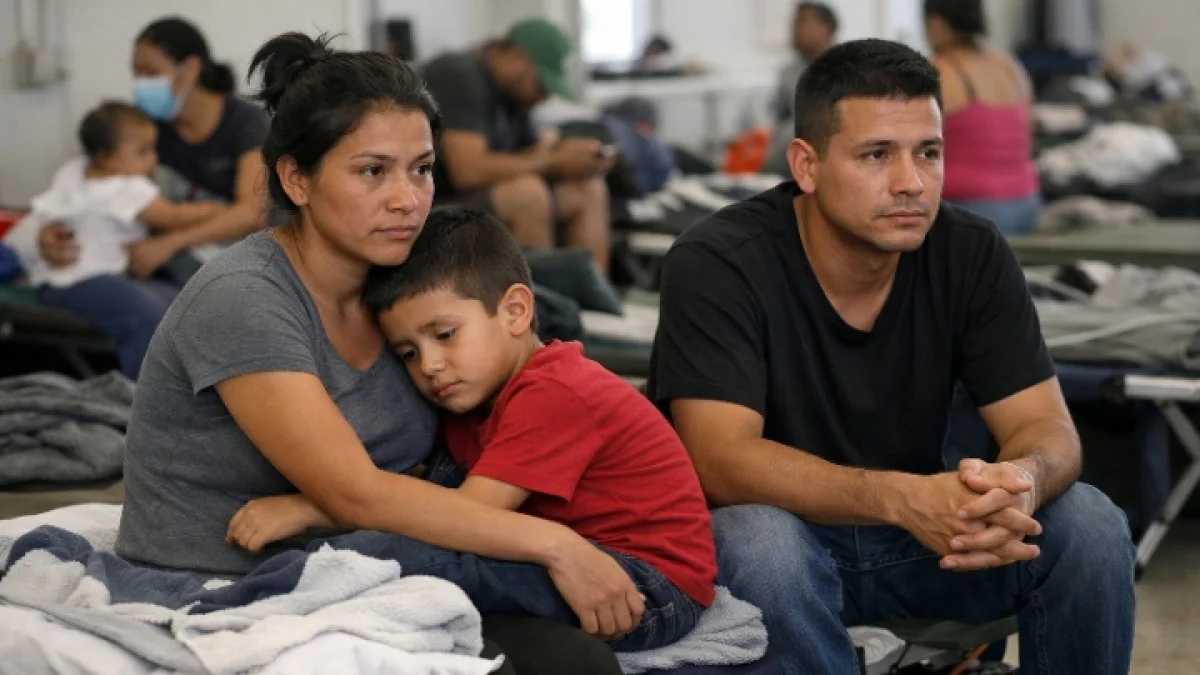
Inside temporary shelters established in sports facilities and public buildings, families continue adjusting to daily routines far removed from their previous lives. Reuters footage from one shelter showed parents caring for children on rows of cots while aid workers distributed food, water and medical supplies. Alfredo Quintana, who survived the collapse with his family, recalled that his first instinct during the shaking was to reach his children.
"When the earthquake started, I thought it was my children," Quintana told Reuters from the shelter, recounting how he returned to rescue one of his daughters who had become trapped.
Others describe an anxiety that persists long after the ground stopped shaking. Ana Espinoza, staying in a refugee camp in Caracas after losing her home, said aftershocks and heavy rain continued to trigger fear.
"In my country, Venezuela, we had never experienced such a strong earthquake, and much less two in a row," Espinoza told Reuters. She said storms now remind her of the disaster and leave her worried another earthquake could follow.
Survivors' accounts have unfolded alongside growing scrutiny of the government's emergency response. Reuters reported that delayed military deployment orders, shortages of equipment and confusion over command structures slowed rescue operations during the critical first hours after the earthquakes. Civilians, neighbors and international rescue teams frequently reached collapsed buildings before organized government assistance arrived, according to witnesses, rescue workers and military sources interviewed by Reuters. Government officials have defended their response, saying emergency protocols were activated immediately and thousands of personnel were deployed.
The disaster has also drawn support from Venezuelan communities abroad. In Florida, volunteers have packed humanitarian supplies destined for affected areas, with nonprofit organizations coordinating shipments of food, hygiene products and emergency necessities. Many volunteers have family members still living in Venezuela, underscoring the continuing ties between the country's large diaspora and communities devastated by the earthquakes.
For humanitarian organizations, reconstruction is expected to extend well beyond the end of search operations. Housing, employment and access to basic services remain pressing concerns in neighborhoods where apartment buildings and infrastructure were destroyed. Financial institutions and international partners have pledged support for rebuilding, but aid groups say recovery will require sustained investment over months and likely years.
The uncertainty extends beyond damaged buildings. Families divided across borders continue weighing difficult decisions about whether to remain in Venezuela, seek reunification with relatives elsewhere or wait for immigration processes whose timelines remain unclear. Attorneys working with displaced Venezuelans say disaster-related displacement can complicate documentation, legal filings and travel, particularly for people who lost identification or property during the earthquakes.
Back in La Guaira, where rescue teams and residents have continued combing through debris weeks after the disaster, the work increasingly revolves around remembrance as much as recovery. Survivors gather what belongings they can still recognize, while construction equipment and search crews move methodically through collapsed buildings.
For Paredes, the photographs recovered from the rubble sit alongside an absence that cannot be replaced. Standing where neighbors helped retrieve both family keepsakes and the remains of loved ones, she described the few items that survived as pieces of a life interrupted, while the future—like so much else after the earthquakes—remains uncertain.