LONDON — Global financial markets remained focused on the economic consequences of the Iran conflict on Friday, with investors closely monitoring energy supplies, shipping routes and fuel costs as renewed military tensions injected fresh volatility into oil markets despite broader expectations that major supply disruptions have so far been avoided.
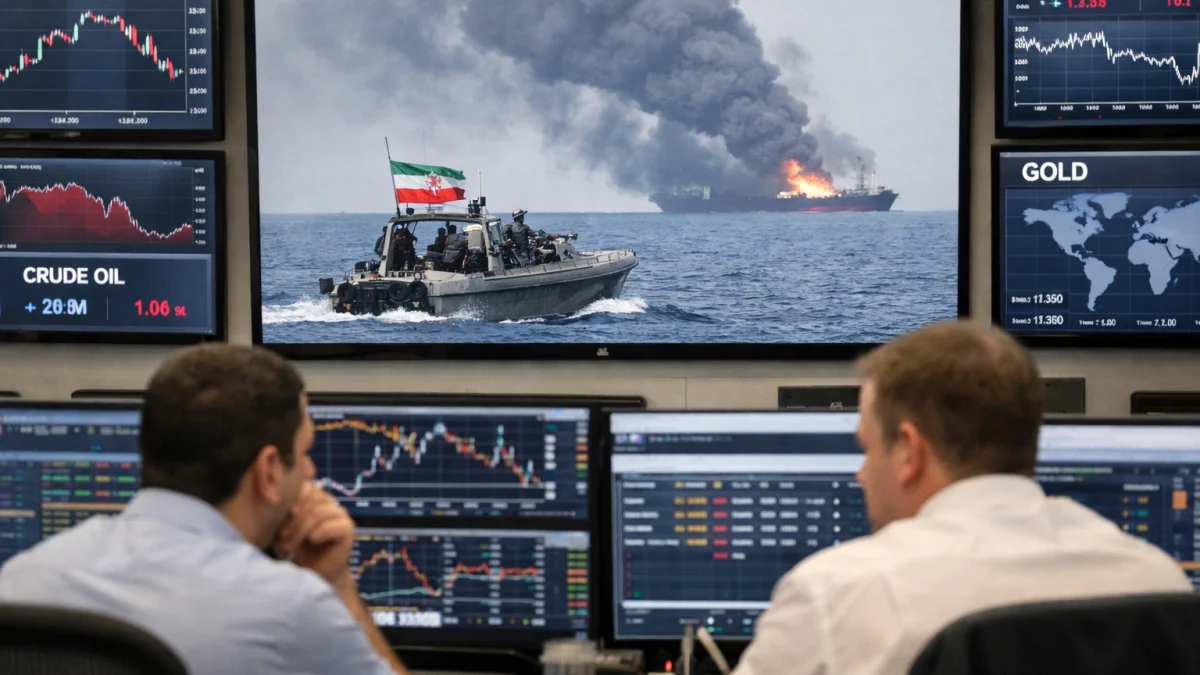
Brent crude and U.S. West Texas Intermediate futures traded in volatile fashion after reports of renewed attacks linked to the conflict raised concerns over the security of shipping through the Strait of Hormuz, one of the world's most important energy transit routes. Prices remained well below peaks reached earlier in the conflict but were on track for weekly gains as traders reassessed geopolitical risks.
Equity markets delivered a mixed performance. Asian shares generally advanced, while European markets were little changed and Wall Street traded unevenly as investors balanced geopolitical uncertainty against corporate earnings and broader economic data. Analysts said energy prices continued to be the principal channel through which the conflict was affecting financial markets.
The International Energy Agency said global oil supply and demand had shown signs of improvement in recent weeks as shipments through the Strait of Hormuz partially recovered. However, the agency warned that renewed fighting between the United States and Iran posed a continuing threat to market normalization and could delay a broader recovery in global energy flows.
Energy companies have emerged as among the strongest-performing sectors during the conflict as higher crude and refined fuel prices boosted earnings expectations. At the same time, elevated gasoline and diesel costs have increased pressure on consumers and businesses, adding to inflation concerns in several major economies.
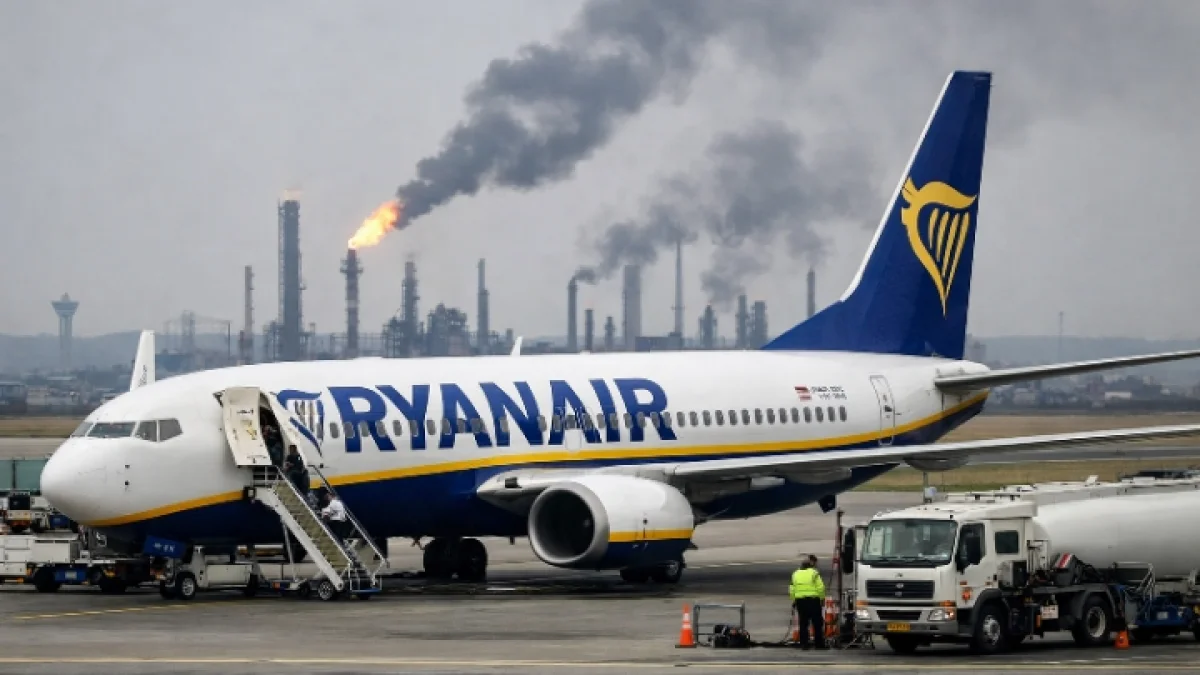
Market participants also continued to monitor refinery operations and fuel inventories after previous disruptions to regional production and exports. Analysts said uncertainty surrounding maritime security and transport costs remained a key factor influencing energy prices, even as some oil flows resumed.
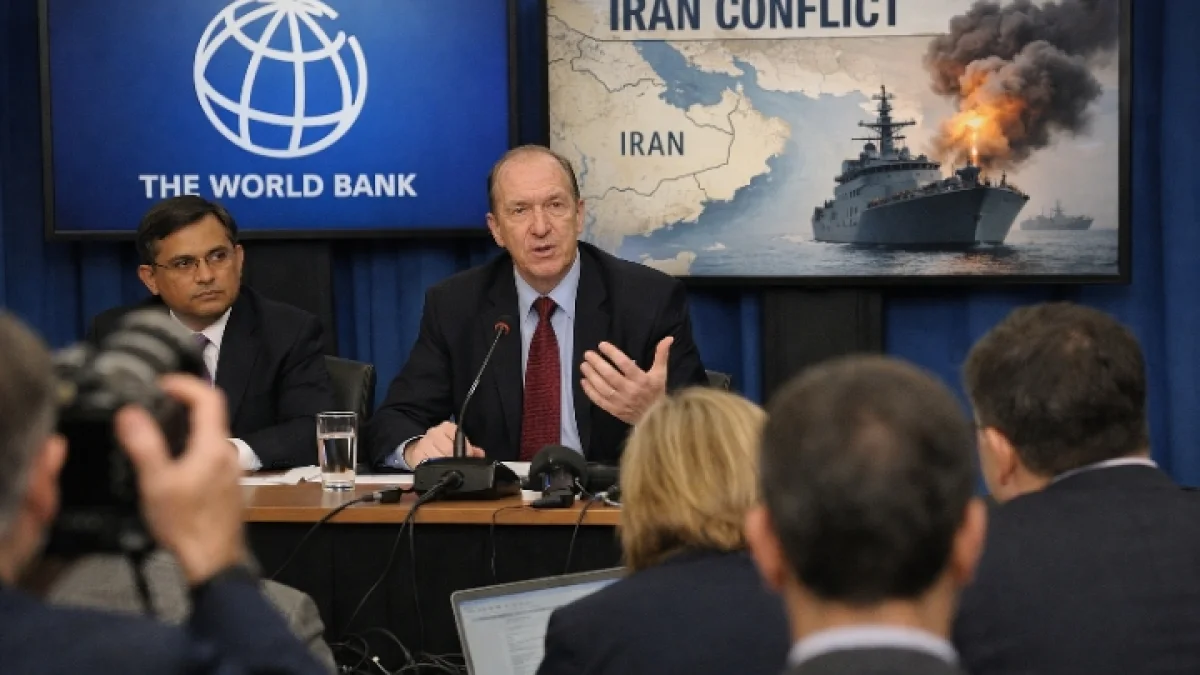
Governments and international organizations have continued to call for de-escalation, warning that prolonged instability could weigh on global growth through higher energy costs and disrupted trade. While no broad interruption to global oil supplies has been officially confirmed, traders and policymakers remain alert to developments that could affect production, shipping or infrastructure across the Gulf region.
As of Friday, markets continued to react to incoming developments from the region, with investors closely watching official statements and conditions in the Strait of Hormuz for further indications of the conflict's impact on the global energy sector.