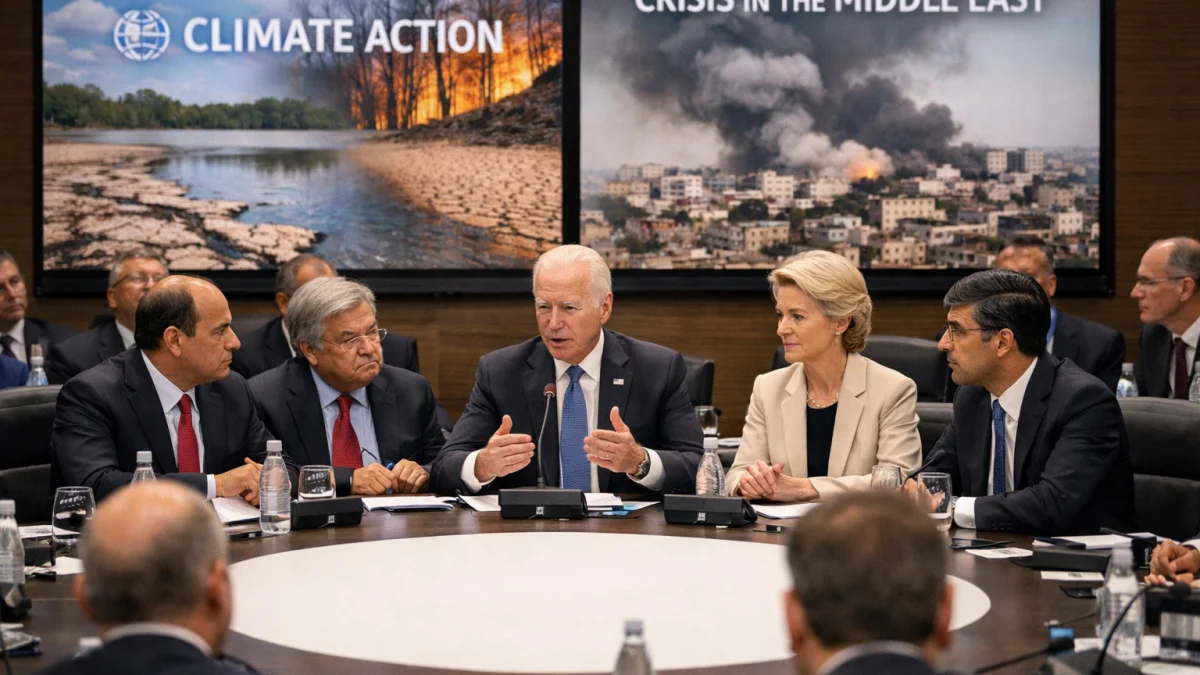
NEW YORK — Global leaders meeting at the United Nations this week said climate change remains an urgent international priority despite continued attention on the conflict in the Middle East, with governments and international organizations calling for stronger cooperation to address mounting environmental risks alongside geopolitical instability.
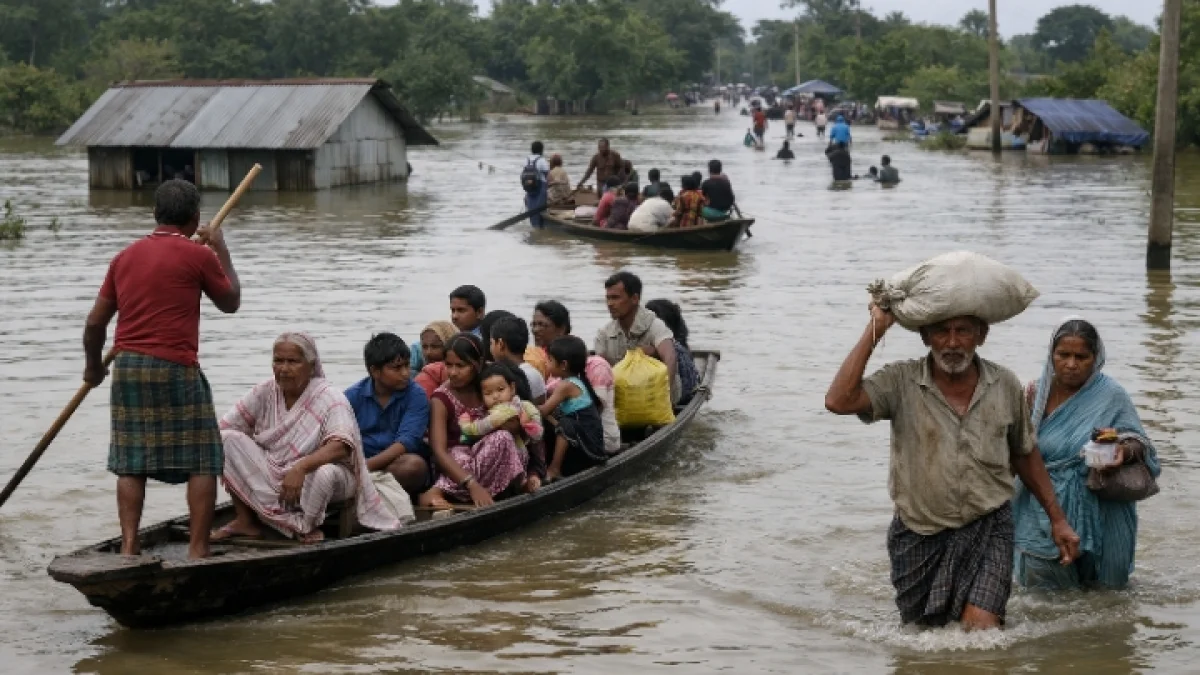
The annual High-level Political Forum on Sustainable Development opened its ministerial segment on July 13, bringing ministers and senior officials together to review progress toward the U.N. Sustainable Development Goals as countries confront intensifying climate impacts, economic uncertainty and regional conflicts. U.N. officials said climate-related disasters, geopolitical tensions and slowing economic growth have compounded challenges to achieving global development targets.
U.N. Secretary-General António Guterres has urged governments to accelerate the transition to renewable energy while strengthening adaptation measures for communities already facing increasingly severe climate impacts. In a special address delivered during London Climate Action Week in June, Guterres said energy security and climate action should be pursued together, arguing that reducing dependence on fossil fuels would improve resilience while lowering greenhouse gas emissions.
The renewed focus on climate policy comes as international institutions continue monitoring the economic consequences of the ongoing Middle East conflict. The heads of the International Energy Agency, International Monetary Fund, World Bank Group and World Trade Organization said last week that the global economy had remained broadly resilient despite disruptions linked to the conflict, while warning that continued uncertainty surrounding energy markets and shipping routes could weigh on growth and inflation if tensions persist.
Health and environmental officials have also emphasized the growing connection between climate change and public health. A high-level meeting hosted by the World Health Organization and France under the Alliance for Transformative Action on Climate and Health highlighted increasing risks from extreme heat and other climate-related hazards, with participants calling for greater investment in resilient health systems.
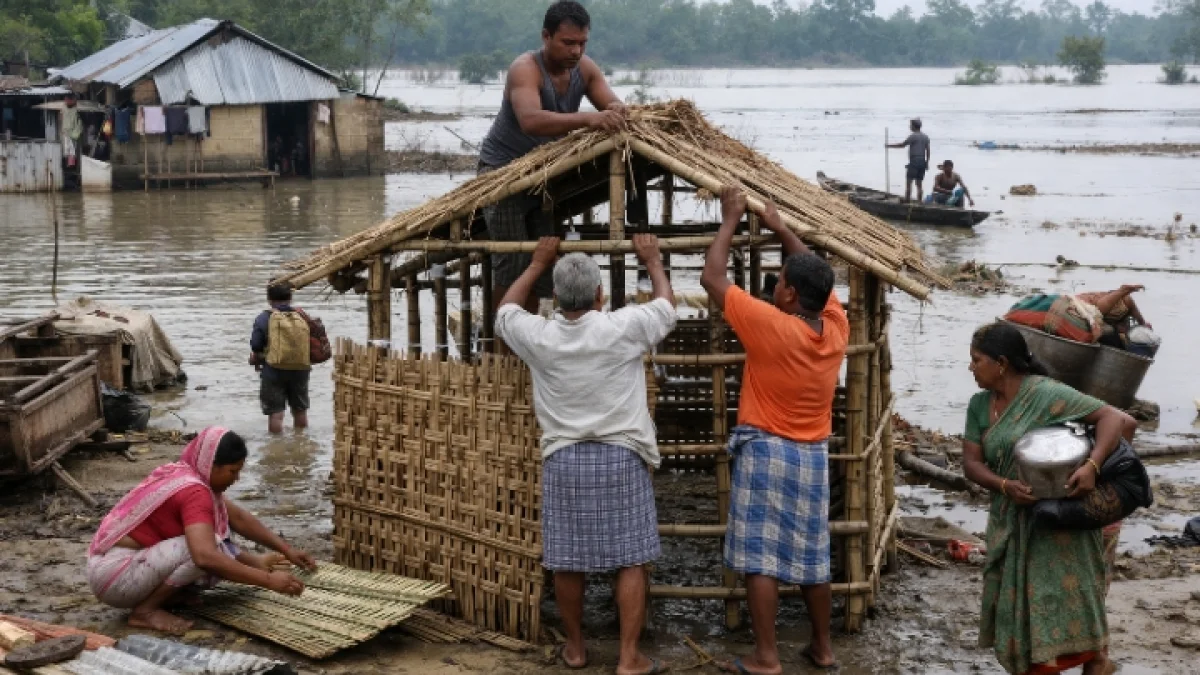
Recent heatwaves and wildfires across parts of Europe have reinforced concerns over climate adaptation. Scientists and international agencies have linked the frequency and intensity of such events to rising global temperatures while stressing the need for both emissions reductions and improved preparedness.
Officials participating in the U.N. meetings are expected to continue discussions through the week on financing sustainable development, strengthening climate resilience and advancing implementation of the Sustainable Development Goals. The forum concludes with ministerial recommendations intended to guide future international cooperation on climate and development.