The launch of experimental antiviral trials against the Bundibugyo strain of Ebola marks a significant shift in how global health authorities are responding to one of the most challenging Ebola outbreaks in recent history. Rather than relying solely on containment measures and supportive care while experimental therapies are evaluated after outbreaks subside, researchers are testing promising treatments during an active epidemic in the Democratic Republic of the Congo and neighboring Uganda. The strategy aims to generate evidence quickly enough to influence the current response while strengthening preparedness for future outbreaks.
The development is significant because no treatment has yet been approved specifically for Bundibugyo virus disease, despite major advances against the more common Zaire strain of Ebola. Existing antibody therapies and vaccines that proved effective in previous outbreaks cannot be assumed to work against Bundibugyo because of biological differences between virus species. As a result, the current outbreak has exposed an important gap in the world's Ebola preparedness despite years of investment following the 2014-2016 West African epidemic.
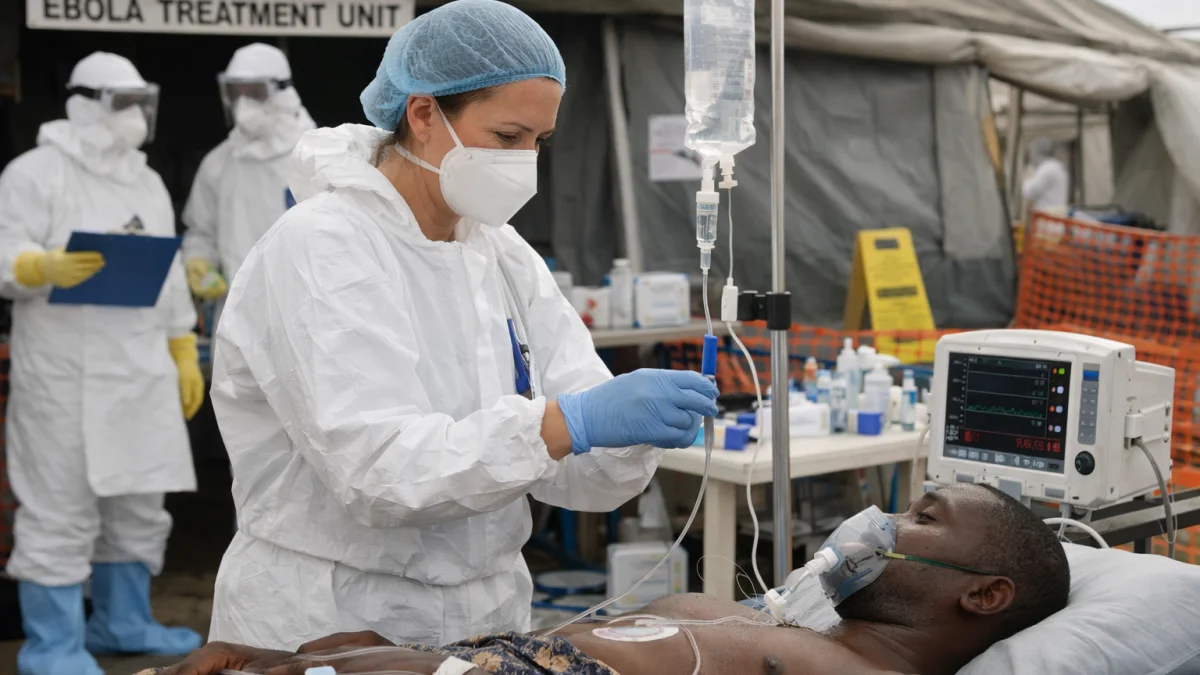
Two complementary clinical strategies are now under way. The WHO-sponsored PARTNERS trial is evaluating whether the monoclonal antibody MBP134, the antiviral remdesivir, or a combination of both can improve survival among patients with confirmed Bundibugyo virus disease. At the same time, researchers have begun the EBO-PEP study, which is testing Gilead Sciences' experimental oral antiviral obeldesivir as post-exposure prophylaxis for people recently exposed to confirmed Ebola cases before symptoms develop. Together, the studies represent an effort to address both treatment and prevention using evidence generated during the outbreak itself.
The post-exposure trial reflects lessons learned from previous Ebola emergencies. Historically, outbreak control has depended on rapid identification of cases, isolation, contact tracing and, where available, vaccination. However, Bundibugyo has no approved vaccine, making pharmaceutical prevention after exposure a potentially valuable additional tool. Researchers plan to enroll about 1,000 high-risk contacts aged 12 years and older who have been exposed within five days of a confirmed case. Participants will be monitored through the virus's incubation period to determine whether the antiviral can prevent disease from developing.
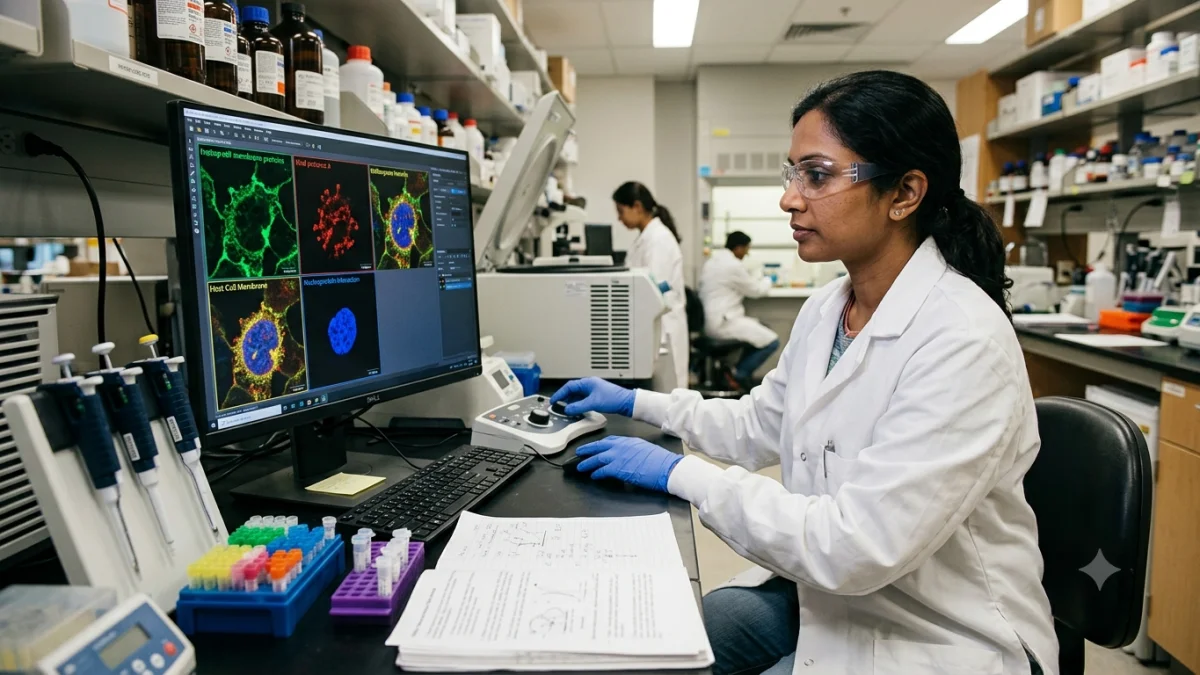
The trials also illustrate how outbreak science has evolved since earlier Ebola epidemics. During the 2014-2016 West African crisis, many experimental therapies were deployed only after substantial delays, limiting opportunities to produce rigorous evidence. Since then, international organizations have developed adaptive trial platforms designed to operate alongside emergency response efforts. WHO said candidate therapies for the current studies were selected following expert review of laboratory evidence, safety data and experience from previous outbreaks.
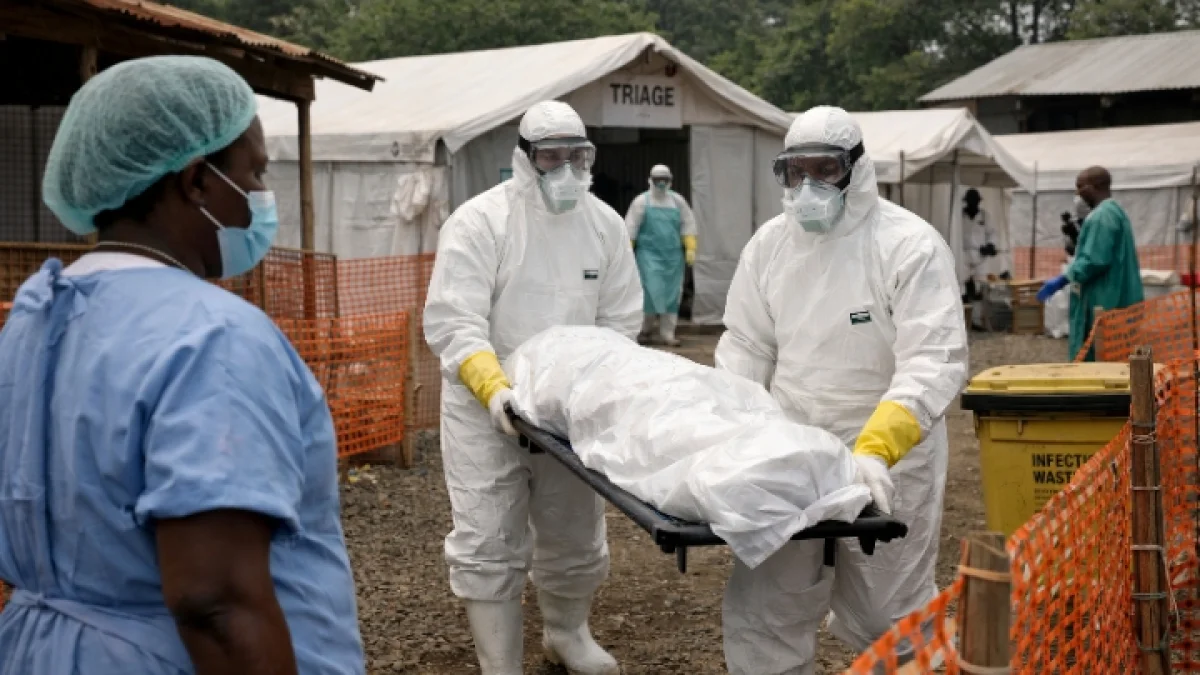
Scientific progress, however, does not eliminate operational challenges. Health authorities continue to confront insecurity, community mistrust, misinformation, limited health infrastructure and disruptions affecting treatment centers in eastern Congo. According to the World Health Organization and other responders, these factors complicate case detection, contact tracing and patient enrollment, while increasing the risk that transmission chains remain unidentified. Public health experts note that even effective treatments will have their greatest impact when combined with strong surveillance and timely access to care.
International collaboration has become a defining feature of the response. The treatment and prevention studies involve the Democratic Republic of the Congo's National Institute for Biomedical Research, WHO, the University of Oxford, the Institute of Tropical Medicine in Belgium, ANRS Emerging Infectious Diseases, Africa CDC, Médecins Sans Frontières, ALIMA and other research partners. Funding from multiple governments and international organizations reflects recognition that Ebola outbreaks pose regional and global public health risks, particularly when they involve virus strains lacking approved countermeasures.
The pharmaceutical industry is also playing a broader role than in previous outbreaks. Gilead has supplied thousands of doses of obeldesivir and remdesivir for clinical evaluation, while separate efforts are advancing vaccine candidates specifically targeting Bundibugyo virus. In parallel, Oxford University has begun the first human trial of a Bundibugyo-specific vaccine, highlighting a coordinated effort to develop both immediate therapeutic options and longer-term preventive tools.
The current outbreak has become a test not only of experimental medicines but also of the international outbreak-response model developed after previous Ebola emergencies. Conducting randomized clinical trials during an expanding epidemic requires balancing scientific rigor with urgent patient care while maintaining public confidence in affected communities. If successful, the approach could provide a template for evaluating treatments against other emerging infectious diseases during future outbreaks rather than waiting until epidemics have subsided.
For now, the principal facts remain clear. Experimental antiviral and antibody therapies are undergoing formal clinical evaluation, no treatment has yet been approved specifically for Bundibugyo virus disease, and health authorities continue to monitor whether the studies can demonstrate meaningful improvements in prevention or survival. Officials are also tracking the trajectory of the outbreak, the pace of patient enrollment, and whether security, community engagement and public health operations can support both effective clinical research and disease control.