BELGRADE — A prolonged heatwave continued to grip Italy and the Balkans on Thursday, driving temperatures well above seasonal averages, raising the risk of wildfires and prompting authorities to maintain health alerts as emergency services monitored vulnerable communities across southeastern Europe.
Italian authorities kept red heat warnings in place for many cities after temperatures climbed close to or above 40 degrees Celsius in parts of the country. Officials urged residents, particularly older people, young children and those with chronic illnesses, to avoid outdoor activity during the hottest hours of the day and remain hydrated.
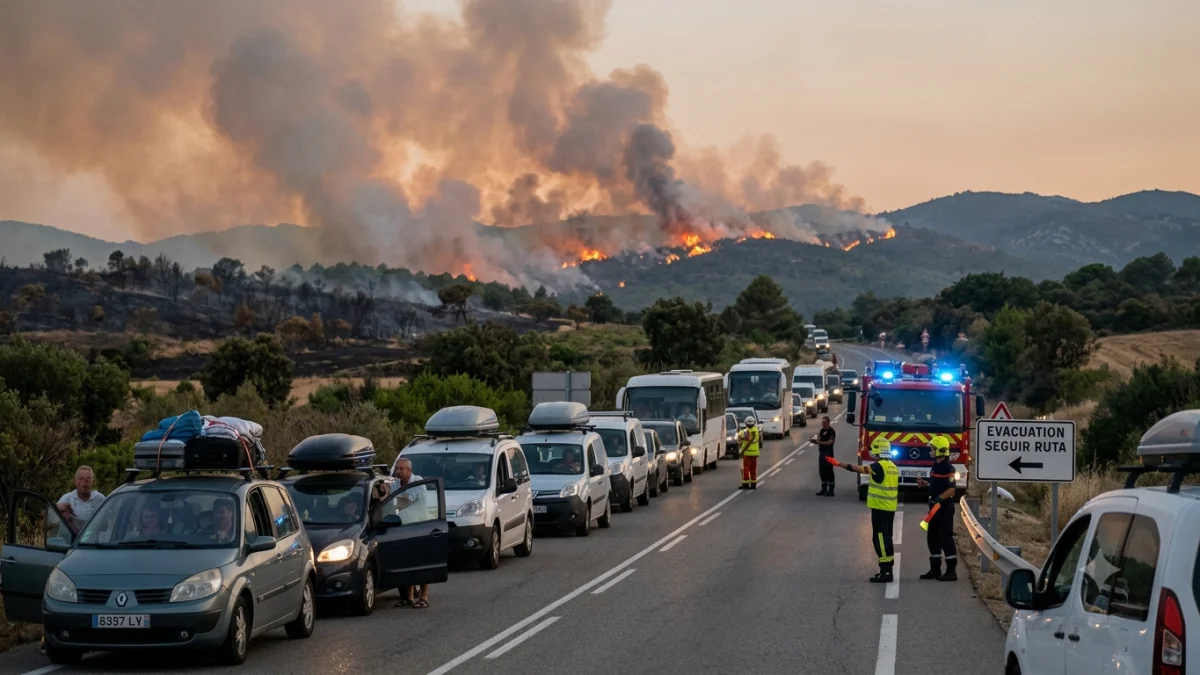
Across the western Balkans, meteorological agencies issued severe heat alerts as exceptionally hot weather persisted. Croatia maintained red warnings for several regions, including parts of the Adriatic coast popular with tourists, while Serbia forecast temperatures approaching 39 degrees Celsius. In Albania, firefighters remained on alert after containing a wildfire that burned vegetation near the town of Klos.
Authorities in Croatia also battled a wildfire on the Adriatic island of Vis, where firefighters, supported by aircraft, worked to contain flames fueled by hot, dry conditions. Officials said no widespread casualties had been reported from the blaze, but warned that continued high temperatures and dry vegetation could increase the likelihood of further fires across the region.
The heatwave is part of a broader period of extreme weather that has affected much of Europe since late June. Health authorities and the World Health Organization have linked the event to more than 1,300 excess deaths across the continent, while France alone has reported about 1,000 excess deaths, most involving older people, according to French public health officials.
Italian Meteorological Society President Luca Mercalli said the combination of extreme heat and dry conditions increased the danger of forest fires, although localized thunderstorms in some areas had temporarily reduced risks. He cautioned that rainfall remained uneven and would not substantially ease conditions everywhere. Meteorologist Daniele Mocio of the Italian Air Force said temperatures were expected to remain about 8 to 10 degrees Celsius above average across parts of central and eastern Europe for several more days.
Scientists have said human-induced climate change has made the intensity of the current heatwave significantly more likely, while authorities across Europe continue to monitor health impacts, wildfire threats and pressure on infrastructure as forecasts indicate that exceptionally hot conditions are likely to persist into early July.