GENEVA — Governments, climate experts and disaster agencies are intensifying discussions on climate adaptation measures following a series of destructive storms in Asia and other regions, with officials emphasizing stronger infrastructure, early warning systems and community preparedness as extreme weather strains emergency response capacity.
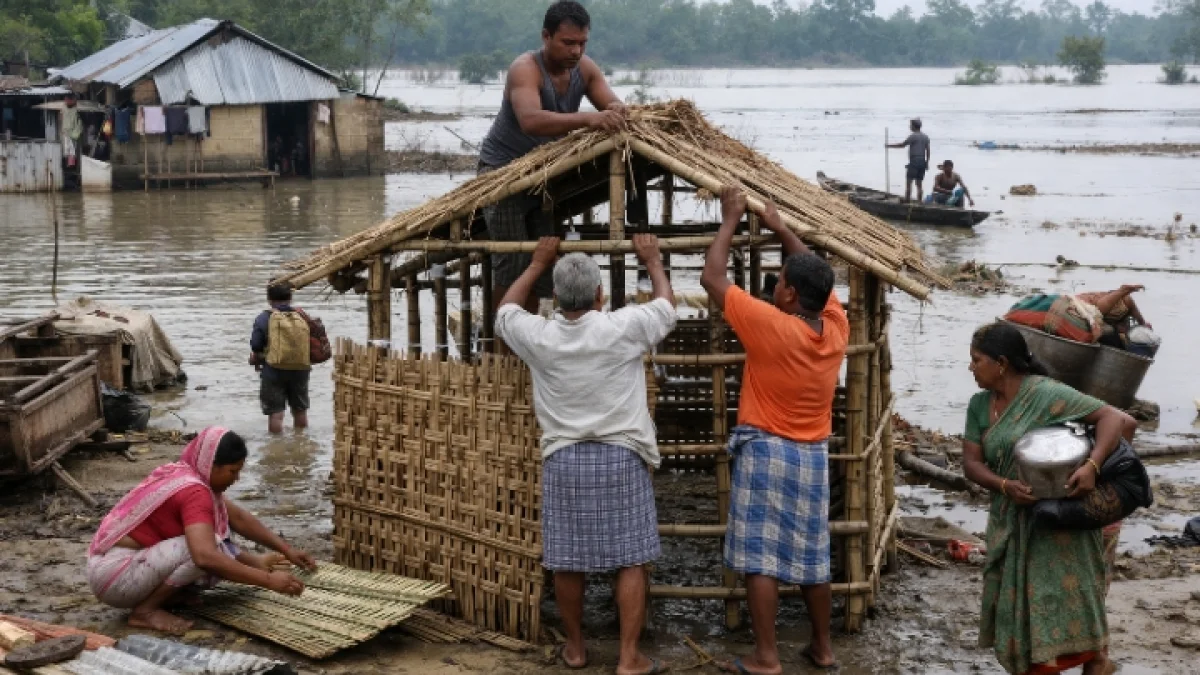
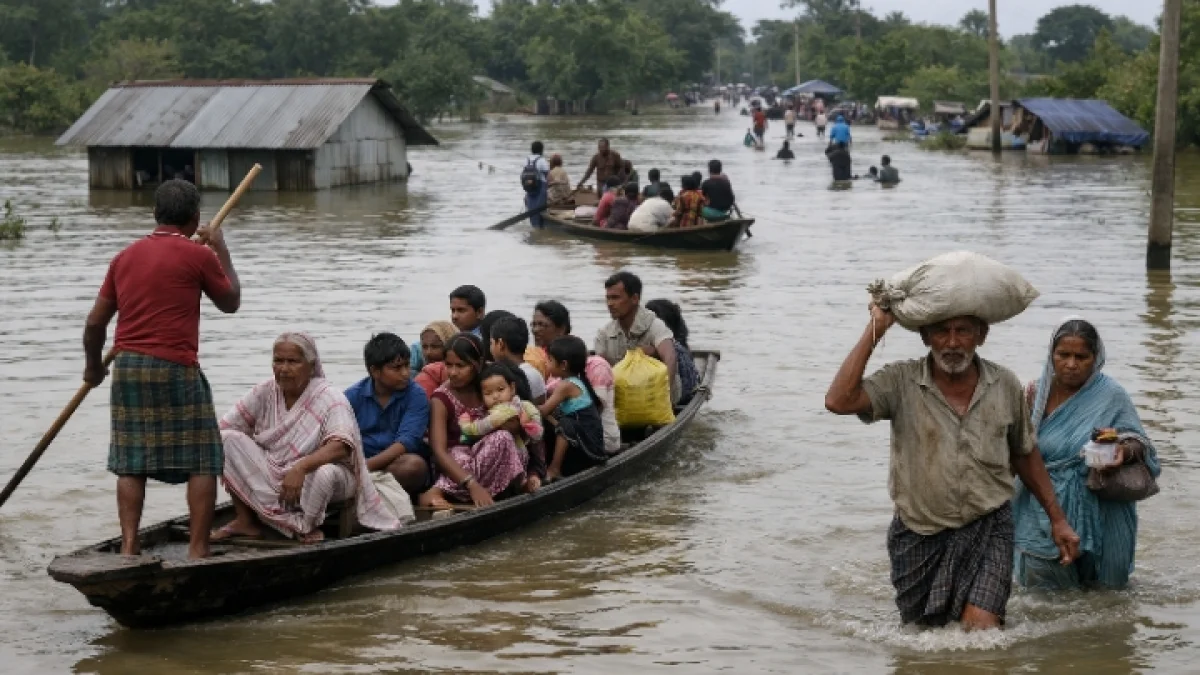
The renewed focus comes after successive tropical cyclones and severe flooding affected millions of people across parts of Asia in recent weeks. Super Typhoon Bavi, forecast to bring destructive winds and heavy rainfall to Taiwan, southeastern China and parts of Japan, followed Typhoon Maysak, which caused fatalities and widespread flooding in southern China, according to official authorities and meteorological agencies.
Scientists and weather officials have said the recent storms underscore the growing importance of adapting communities and infrastructure to increasingly severe weather. China's National Climate Center has warned that climate change, combined with the anticipated development of El Niño conditions, could contribute to a more active typhoon season and heightened flood risks.
International climate officials have also stressed that adaptation must complement efforts to reduce greenhouse gas emissions. In a statement issued during Europe's recent heatwave, UN Climate Change Executive Secretary Simon Stiell said governments needed to strengthen resilience against increasingly frequent climate-related hazards while continuing to accelerate emissions reductions.
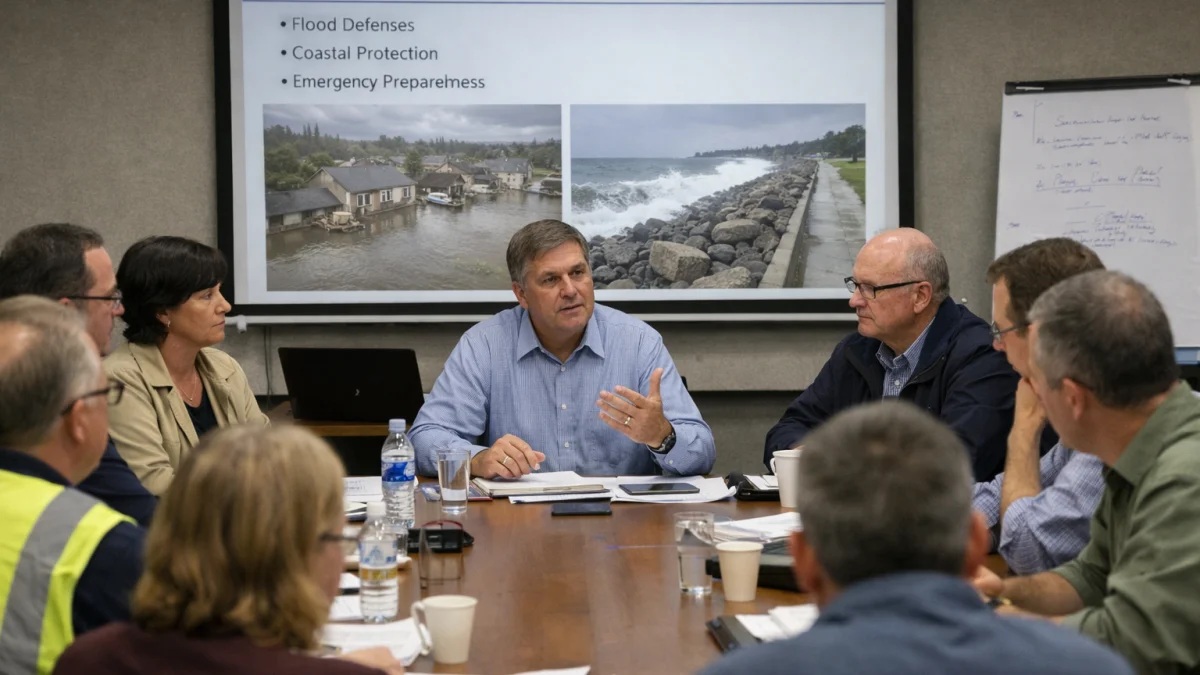
Across affected countries, authorities have highlighted investments in flood-control systems, improved forecasting, resilient transport networks and expanded emergency planning as priorities. Disaster management agencies have also emphasized restoring damaged infrastructure while incorporating resilience standards into reconstruction projects to reduce future losses.
In Indonesia, government agencies have been coordinating preparedness measures for expected climate-related risks associated with a potentially drier season linked to El Niño. Officials have called for cross-sector cooperation to protect water supplies, food security and critical services while strengthening disaster preparedness nationwide. The Meteorology, Climatology and Geophysics Agency (BMKG) has similarly urged stronger mitigation planning across government sectors, while authorities have expanded coordination on wildfire prevention and weather modification operations where appropriate.
Climate specialists say adaptation measures cannot eliminate the risks posed by stronger storms but can reduce casualties, economic disruption and damage when combined with effective forecasting and timely public warnings. They note that resilient infrastructure, updated building standards and community evacuation planning have become increasingly important as many regions face more frequent extreme weather events.
Officials in several countries said discussions on resilience and adaptation would continue through upcoming policy meetings and disaster preparedness initiatives as governments assess lessons from the latest storms and prepare for the remainder of the 2026 severe weather season.