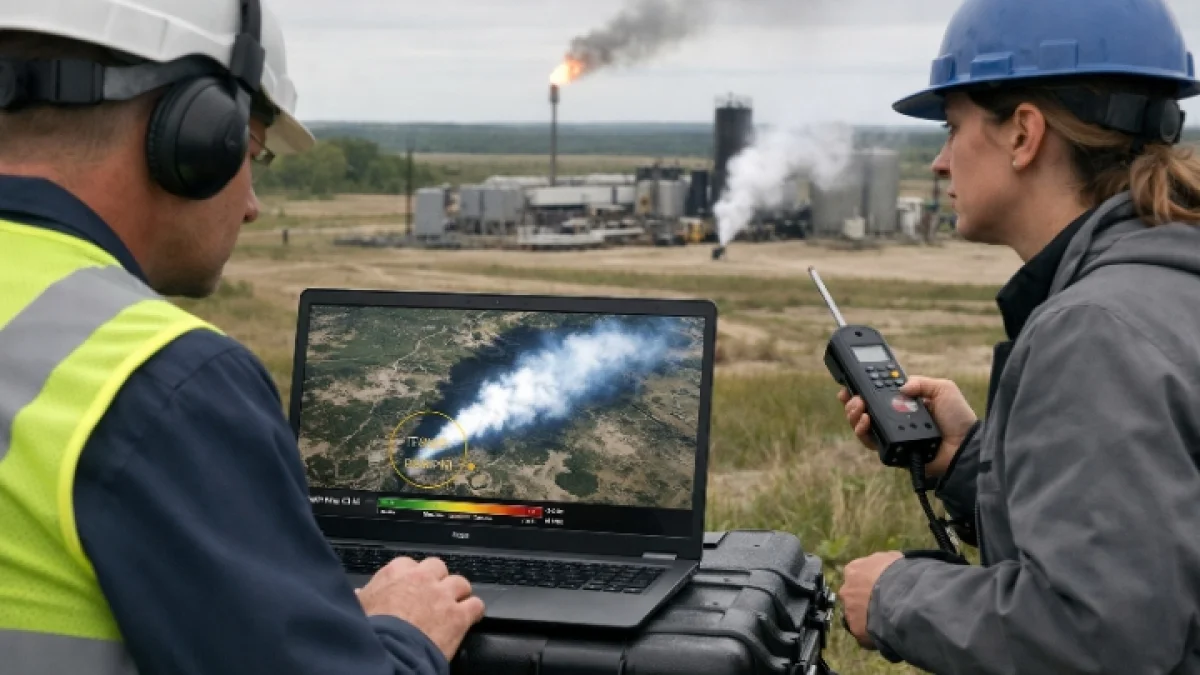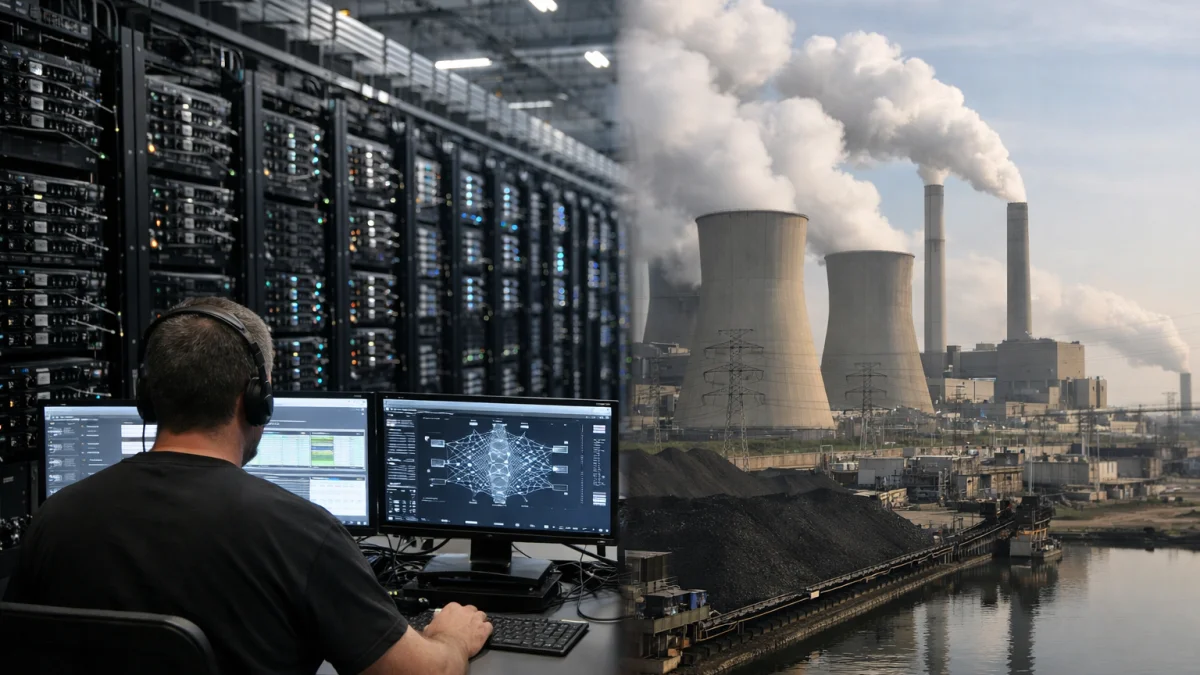
WASHINGTON — Surging electricity demand from artificial intelligence data centers is intensifying concerns over environmental impacts, including higher carbon emissions and water consumption, as global computing infrastructure expands rapidly.
Global data center electricity consumption reached around 415 terawatt-hours (TWh) in 2024, representing about 1.5% of worldwide electricity use, according to the International Energy Agency. Projections show it more than doubling to approximately 945 TWh by 2030 in the IEA's base case, with AI workloads accounting for a growing share of the increase.
In the United States, data centers consumed about 4.4% of total electricity in 2023 and could rise to between 6.7% and 12% by 2028, the Lawrence Berkeley National Laboratory has estimated. AI-driven hyperscale facilities are a primary driver, with power demand in some scenarios nearly doubling in a short period.
A typical hyperscale data center can consume as much electricity as 100,000 households, the IEA said. Individual AI queries also carry notable costs: a single ChatGPT request uses roughly 10 times more electricity than a standard Google search.
Environmental groups and researchers have highlighted additional strains. Data centers require substantial water for cooling servers and associated power plants. Estimates for AI-related water use vary widely, with one analysis projecting hundreds of billions of liters annually. Carbon emissions tied to AI operations have also drawn scrutiny, potentially equivalent to millions of additional vehicles on the road in coming years if powered by fossil fuels.
Tech companies and utilities are responding with investments in efficiency improvements, renewable energy procurement, and new power generation. However, rapid deployment has outpaced some grid infrastructure, leading to localized pressures on electricity supply and prices in regions with heavy data center concentration, such as parts of Virginia and Ireland.
Goldman Sachs Research has forecasted U.S. data center power demand rising from 31 gigawatts (GW) in 2025 to 66 GW by 2027, largely due to AI expansion. Globally, the firm sees data center power demand increasing 160-165% by 2030 compared to 2023 levels.
Industry representatives have pointed to ongoing efficiency gains in hardware and operations. "The AI sector is committed to sustainable growth," a spokesperson for a major cloud provider said in a statement, noting multi-billion-dollar commitments to clean energy projects. Critics, including environmental advocates, argue that absolute consumption growth continues to challenge net-zero targets.
As of July 2026, no unified international regulatory framework governs AI data center energy use, though governments in the U.S., European Union, and China are monitoring grid impacts and exploring incentives for low-carbon infrastructure. The IEA expects AI to drive continued strong growth in data center electricity demand through at least 2030, even as efficiency measures take effect.
Developments in next-generation chips, advanced cooling technologies, and grid modernization will shape the sector's environmental footprint in the years ahead.