BOSTON — Voting rights groups on Wednesday said they welcomed a federal court ruling blocking key parts of a Trump administration order that sought to create federal lists of eligible citizen voters and impose new requirements affecting mail-in ballots, saying the decision halted measures they argued exceeded presidential authority.
The ruling by U.S. District Judge Indira Talwani in Massachusetts prevented enforcement of provisions that directed federal agencies, including the Department of Homeland Security and the U.S. Postal Service, to develop voter eligibility lists and related mail ballot procedures. The court found those provisions could not be implemented through executive action, according to the ruling cited by voting rights organizations and court reports.
The case was brought by a coalition including 23 states and the District of Columbia, along with voting rights groups that challenged the order. The plaintiffs argued that election administration authority rests primarily with states and Congress and that the federal government lacked legal authority to create a national voter eligibility system.
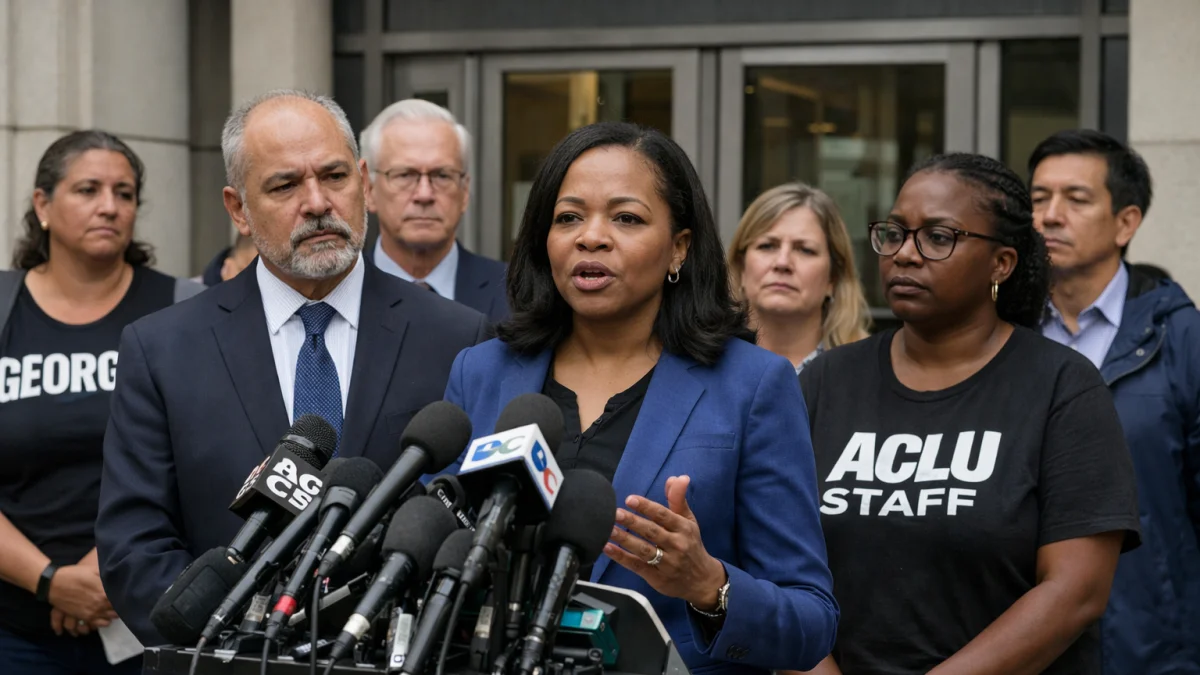
Voting rights organizations including the American Civil Liberties Union and allied groups said the decision protected access to voting and prevented the use of federally created lists that they argued could contain errors affecting eligible voters. The groups said the order could have affected voters who rely on mail ballots, including overseas voters, military members and people with disabilities.
The administration defended the executive order, saying it was intended to strengthen election security and ensure that only eligible citizens participate in federal elections. The White House has argued that federal action is needed to address concerns about election integrity.
The dispute is part of a broader legal battle over federal involvement in election administration. The Justice Department has separately sought access to state voter records, arguing that reviews are needed to ensure compliance with federal election laws. Several courts have considered challenges to those efforts, including a federal appeals court decision rejecting an attempt to compel Michigan to provide voter rolls.
The Massachusetts ruling follows another federal court decision that blocked a separate Trump administration effort requiring documentary proof of citizenship for voter registration changes, adding to legal disputes over election-related executive actions.
The case remains ongoing, and the administration has indicated it may continue defending the order through further legal proceedings. The blocked provisions will remain unenforced while the litigation continues.