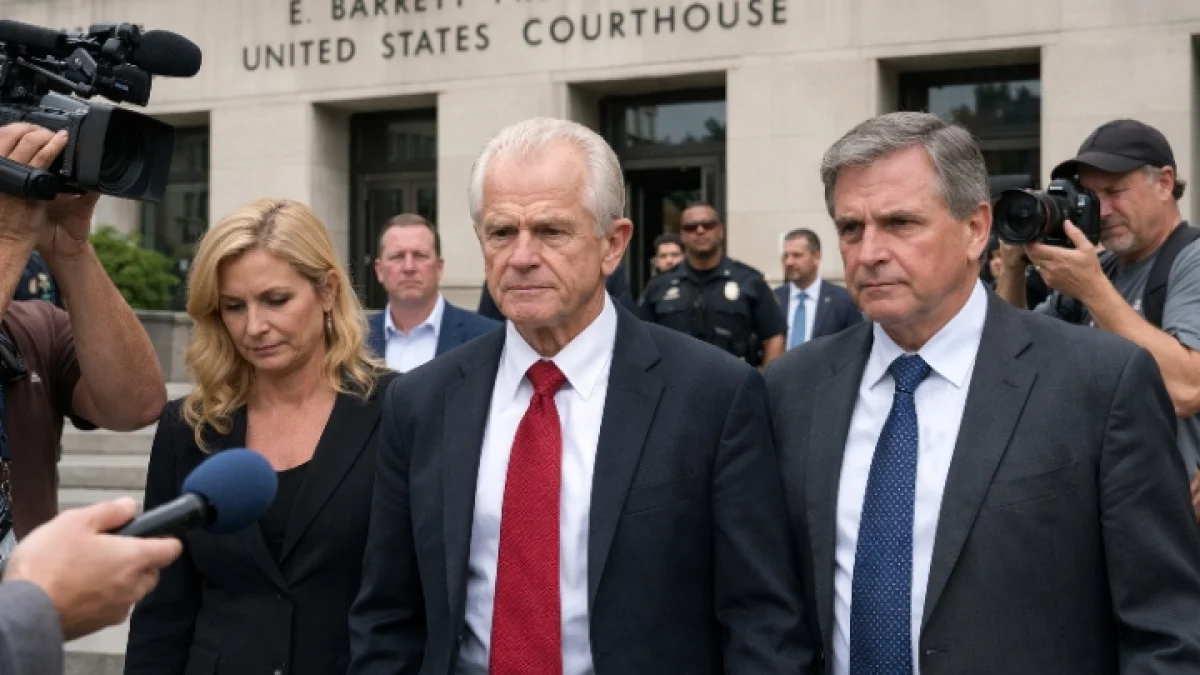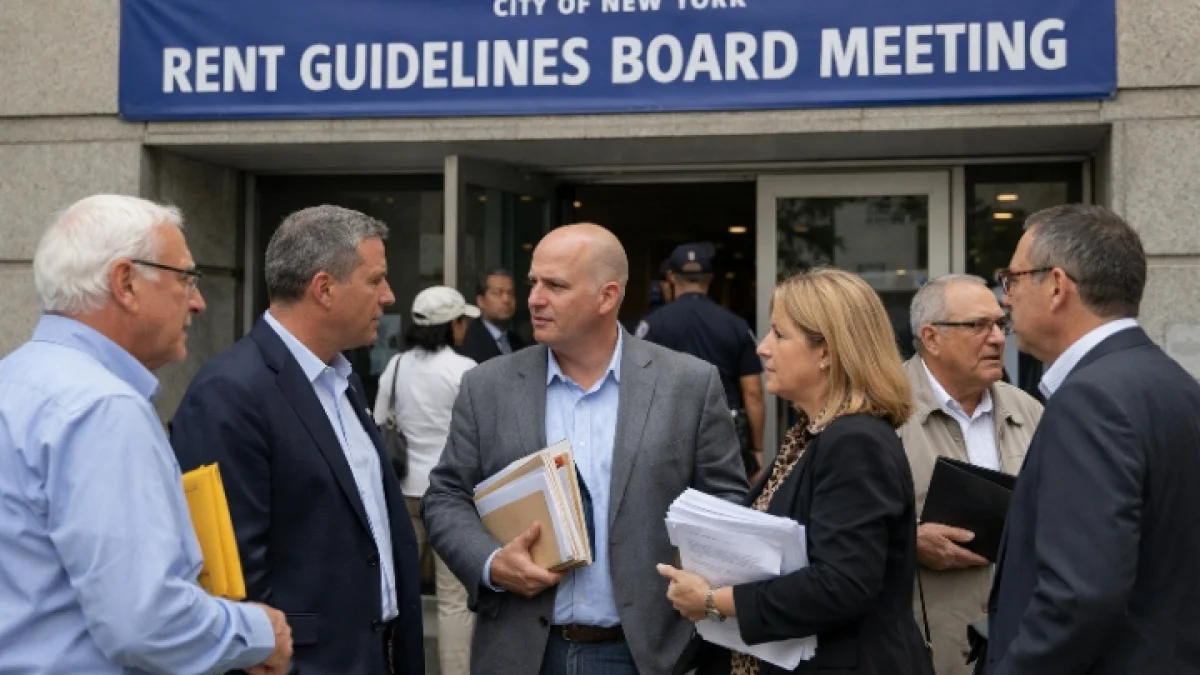
A coalition of New York City landlords has challenged the city's newly approved rent freeze in federal court, marking the first major legal test of Mayor Zohran Mamdani's housing affordability agenda and placing renewed scrutiny on how the city's Rent Guidelines Board reached its decision. The lawsuit argues that the board's approval of a two-year freeze for roughly one million rent-stabilized apartments was the product of an unlawful and politically predetermined process rather than an independent assessment required under New York law.
The legal challenge matters beyond the immediate question of whether rents remain frozen. It tests the institutional independence of the Rent Guidelines Board, an entity established to balance the financial needs of property owners with the affordability concerns of tenants. If the court were to conclude that political interference compromised that process, the ruling could influence how future rent-setting decisions are conducted regardless of the outcome on the freeze itself. At the same time, the case highlights the increasingly central role of housing policy in New York City's broader political and economic agenda.
The rent freeze was one of Mamdani's signature campaign commitments and became a defining early policy initiative after he took office. The Rent Guidelines Board voted in June to leave rents unchanged for both one- and two-year leases covering the city's rent-stabilized housing stock. City Hall and the board have maintained that the decision followed the board's statutory responsibilities and that members independently evaluated evidence presented during public hearings.
The landlords' lawsuit does not simply argue that the freeze represents poor policy. Instead, it focuses on the administrative process behind the decision. According to the complaint, board members allegedly relied on selective evidence while disregarding information showing that operating expenses—including insurance, maintenance, labor and taxes—have continued to increase. The plaintiffs further contend that mayoral appointments and public advocacy effectively predetermined the outcome, depriving the board of the independence contemplated by law. Those allegations remain allegations that will have to be evaluated by the court. City Hall has rejected claims of improper influence and continues to describe the board as politically independent.
The dispute reflects a long-running tension within New York's rent stabilization system. Rent stabilization has governed a substantial portion of the city's housing market for decades, with annual adjustments intended to balance affordability against building operating costs. Previous Rent Guidelines Board decisions have authorized both rent increases and temporary freezes during periods of economic stress. Courts have generally afforded broad deference to the board's policymaking authority, although legal challenges periodically arise over whether statutory procedures were followed.
The economic implications extend beyond landlords and regulated tenants. Property owner organizations argue that prolonged limits on rental income could constrain maintenance, capital improvements and financing, particularly for smaller owners with older buildings and rising borrowing costs. Tenant advocates, by contrast, have argued that many renters continue to face severe affordability pressures after years of elevated housing costs and that preventing further rent increases helps reduce displacement risks for lower- and middle-income households. Those competing assessments reflect differing interpretations of available financial data rather than a dispute over the existence of New York City's housing affordability challenges.
The litigation also illustrates how housing regulation has become increasingly intertwined with broader constitutional and administrative law disputes. New York has recently defended multiple housing-related regulations in court, including litigation over broker fee reforms. While each case turns on different legal questions, together they underscore the growing willingness of industry groups to challenge municipal housing policies through federal and state courts when legislative or regulatory outcomes prove unfavorable.
The outcome could influence future policymaking even if the rent freeze itself ultimately remains in effect. A judicial ruling emphasizing procedural safeguards could require greater documentation of how the Rent Guidelines Board weighs financial evidence, public testimony and statutory criteria in future decisions. Conversely, a ruling upholding the current process could reinforce the board's discretion and strengthen the city's position in defending future affordability measures.
For now, the confirmed development is that landlords have initiated litigation seeking to invalidate the rent freeze and alleging that the decision-making process was unlawful, while New York City maintains that the Rent Guidelines Board acted independently and within its legal authority. The case is at an early stage, and the courts will determine whether the plaintiffs can substantiate their procedural claims. Until then, officials, property owners and tenant organizations will be closely monitoring the litigation, any preliminary court rulings and the city's implementation of the approved rent freeze.