The fallout from the alleged NEET-UG 2026 paper leak has escalated from an examination-security scandal into a broader test of India's ability to protect the credibility of high-stakes public examinations, as student protests spread and authorities pursued arrests in a case involving one of the country's most consequential admissions tests.
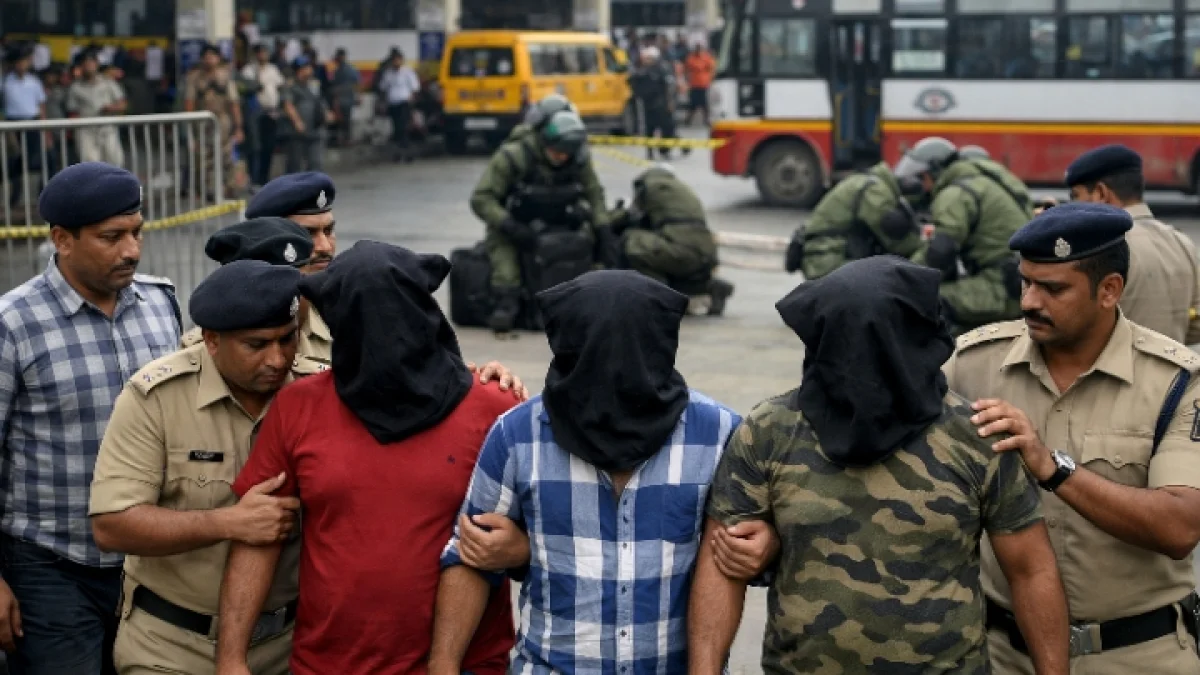
The Central Bureau of Investigation has said its investigation uncovered evidence that questions later appearing in the May 3 examination had been disclosed in advance. According to the government's account, a chemistry lecturer associated with the National Testing Agency had access to the papers and allegedly dictated questions, answer options and correct answers during special coaching sessions. The CBI has also arrested other suspects, including the owner of a coaching institute, and recovered material that authorities say contained questions matching those used in the examination. The investigation remains active, and allegations against the accused have yet to be adjudicated in court.
The significance extends beyond the arrests themselves. NEET-UG is the gateway to undergraduate medical education and is taken by millions of candidates, making any compromise of the examination potentially consequential for admissions, careers and public confidence in the merit-based selection process. The government's decision to cancel the examination and arrange a fresh test was intended to preserve fairness, but it also imposed substantial costs on students who had prepared for months and on institutions whose admission schedules depend on the results. Independent reporting put the number of affected aspirants at more than 2 million.
The controversy has also exposed a difficult distinction between criminal accountability and institutional accountability. Arrests can establish that individuals allegedly participated in a leak, but they do not by themselves answer how examination material was able to leave a controlled process or whether existing safeguards failed at multiple points. The CBI has said its investigation is examining the nature and extent of the irregularities and the involvement of individuals and entities connected with the case. That leaves broader questions about oversight, access controls and the security chain surrounding question papers.
The government's response has therefore had two tracks: criminal investigation and examination reform. The CBI opened the case after a complaint from the Higher Education Department and invoked provisions covering alleged criminal conspiracy, cheating, breach of trust and offences under India's 2024 law on unfair means in public examinations. The agency subsequently expanded its arrests and searches across several locations. Such action is significant because the integrity of a national examination depends not only on preventing leaks but also on demonstrating that breaches will be investigated and prosecuted.
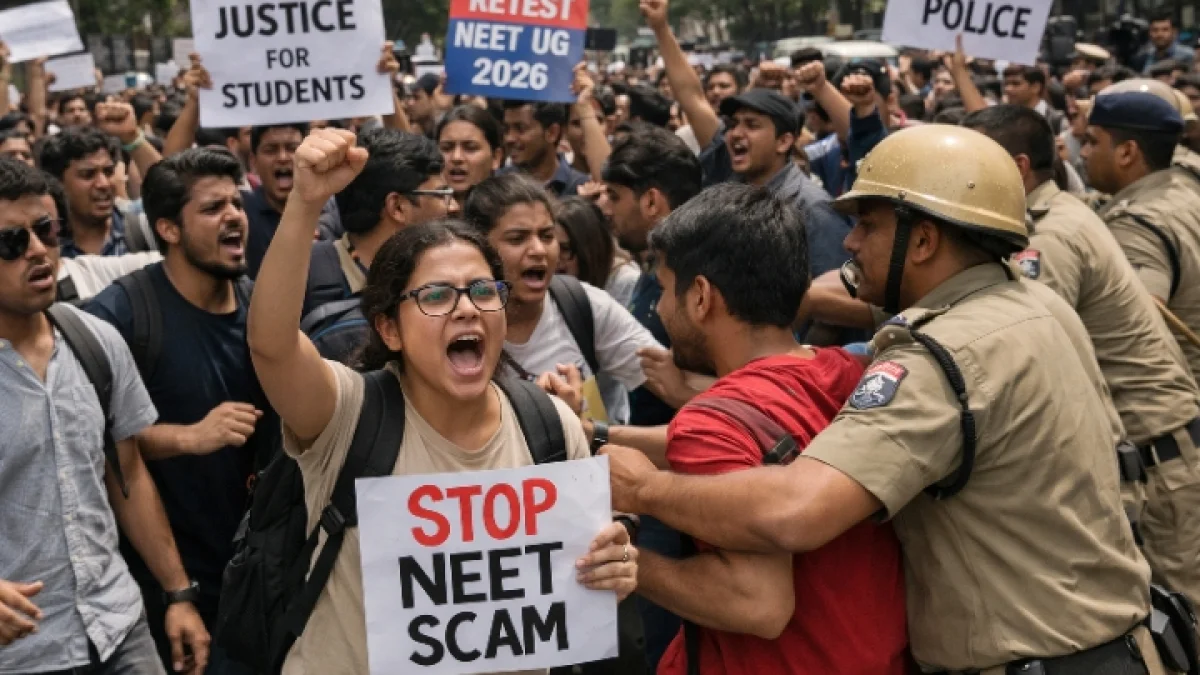
Yet the arrests have not resolved the political dimension. Reuters reported on Wednesday that student-led demonstrations and opposition protests have placed additional pressure on Prime Minister Narendra Modi's government, with parliamentary proceedings disrupted and calls made for Education Minister Dharmendra Pradhan to resign. The government has indicated a willingness to discuss reforms, while opposition parties have continued to demand political accountability. The Bharatiya Janata Party, meanwhile, has characterized the opposition campaign as politically motivated. Those competing positions reflect a wider dispute over whether the episode should be treated primarily as a criminal conspiracy by specific individuals or as evidence of systemic weaknesses requiring institutional responsibility.
That distinction matters because India's examination system has faced repeated controversies in recent years. The NEET-UG 2026 episode follows the 2024 NEET controversy, when allegations of irregularities and a paper leak generated a national political and legal dispute. The recurrence of such controversies increases the pressure on authorities to show that reforms are durable rather than limited to the immediate crisis. The central issue is therefore not only whether those accused in the 2026 case are punished, but whether the system can demonstrate that future examinations will be protected against insider access, unauthorized circulation and organized cheating.
For students, the consequences are immediate. A national examination with millions of candidates creates an unusually high cost when its integrity is questioned: even candidates who performed honestly can face delays, uncertainty and doubts about whether their rankings accurately reflect their preparation. That helps explain why the protests have acquired significance beyond the specific arrests. The demonstrations are also occurring against a backdrop of broader concerns among young Indians over competition for education and employment, allowing an examination controversy to become a focal point for wider frustration. Reuters reported that the protests have spread beyond the immediate examination issue and have become a significant political challenge for the government.
The confirmed picture is that the CBI has identified and arrested multiple alleged participants, authorities have treated the examination as compromised, and protests and political confrontation remain active. What remains unresolved is the full extent of the leak, the number of beneficiaries, the precise chain through which examination material was accessed and distributed, and the final legal responsibility of those arrested. Authorities will also be closely monitored on the implementation of examination-security reforms and on whether the investigation establishes broader institutional failures beyond the individuals already accused. Until those questions are answered, the NEET-UG 2026 scandal will remain not only a criminal case but a test of confidence in India's national examination system.