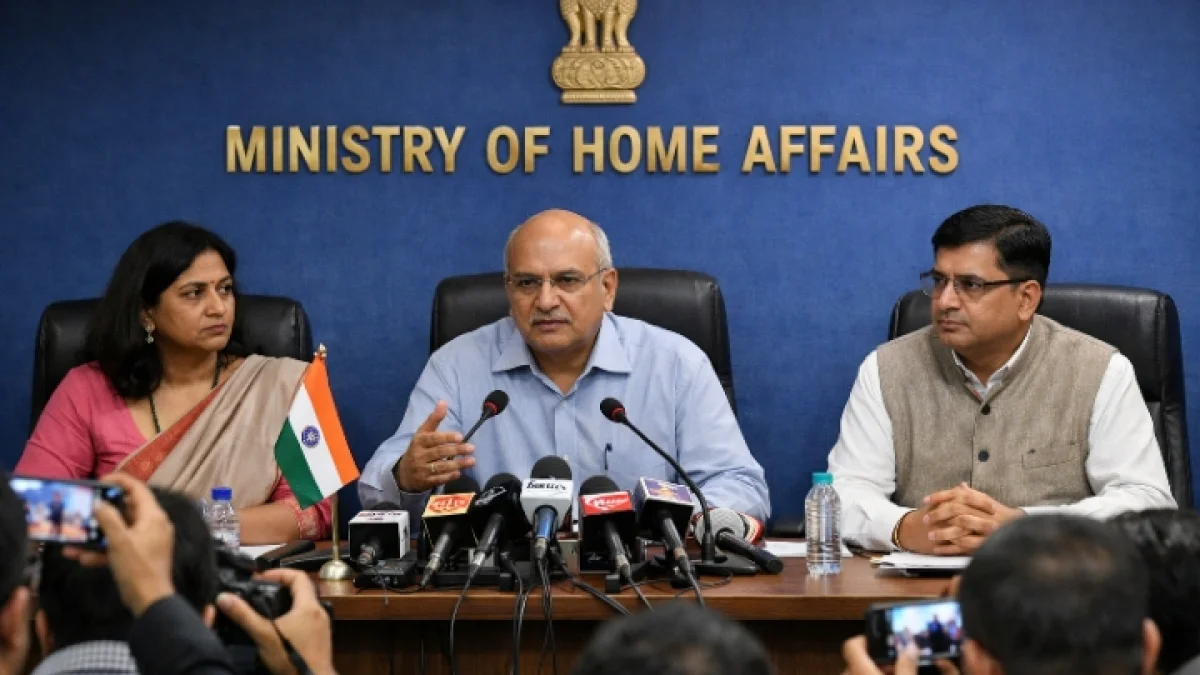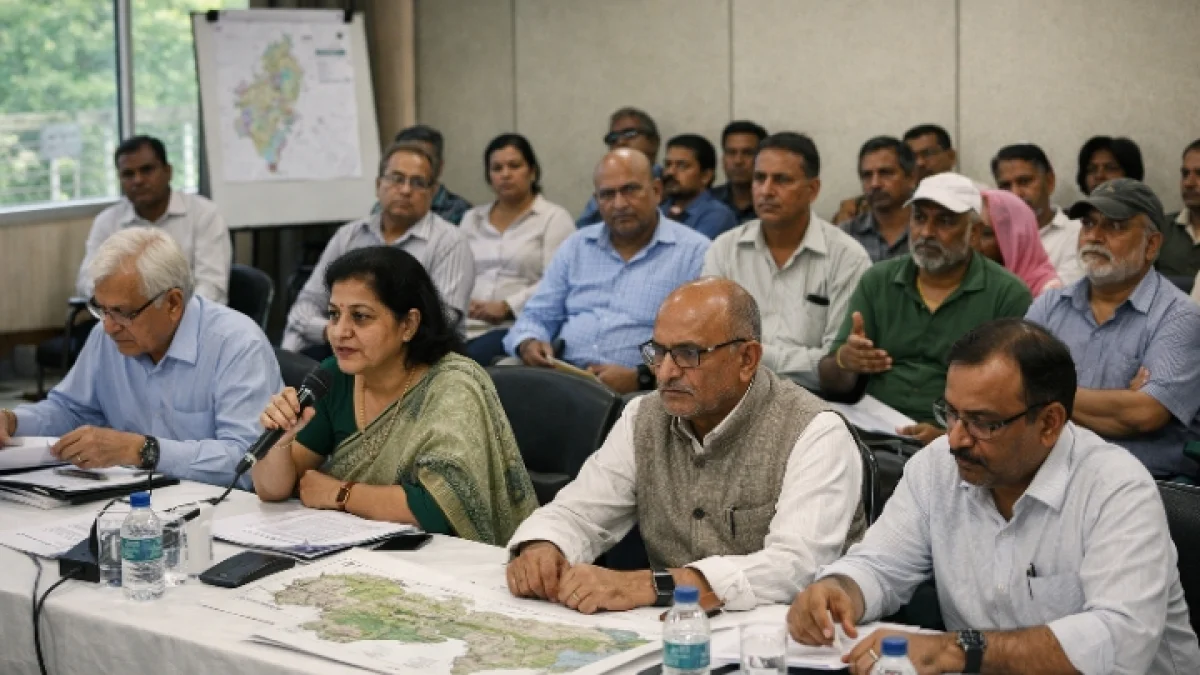
NEW DELHI — A Supreme Court-appointed high-powered committee examining the future protection of the Aravalli hill range has come under renewed criticism from scientists, environmentalists and policy experts, even as it opened a public consultation process ahead of submitting its recommendations to the court.
The committee, constituted by the Supreme Court in May to review issues surrounding the definition, delineation and protection of the ecologically sensitive Aravalli Hills and Ranges, this week invited representations, suggestions and documentary evidence from stakeholders across Delhi, Haryana, Rajasthan, Gujarat and other affected states. The panel has asked interested parties to submit responses within 21 days and is scheduled to file its report with the court by Aug. 31.
The consultation has drawn attention to earlier concerns raised over the committee's composition. In June, scientists, environmental experts and other stakeholders wrote to Chief Justice of India Surya Kant urging changes to the panel, arguing that it lacked sufficient independent experts and relied too heavily on serving or former government officials. The signatories said broader expertise in ecology, hydrology, public health and traditional livelihoods would strengthen the credibility of the review.
According to the Supreme Court's order, the committee was established to obtain what the court described as a fair, impartial and independent assessment of issues relating to the Aravallis after questions emerged over an earlier government-backed report defining the mountain range. The panel is chaired by Kanchan Devi, Director General of the Indian Council of Forestry Research and Education, and includes former officials from the Forest Survey of India, Geological Survey of India, the environment ministry and academia.
The committee's public notice invites submissions from environmental groups, conservationists, non-profit organisations, mining lease holders, project proponents, villagers, farmers, mine workers, local communities and other interested parties. It has requested that submissions be supported by documentary or other verifiable evidence wherever possible.
Environmental advocates have urged participants to use the consultation process to reinforce legal safeguards for the Aravallis, warning against definitions or boundary revisions that they say could weaken existing protections. Others have argued that the review offers an opportunity to establish a clearer scientific basis for long-term conservation and regulatory decisions affecting mining and land use in the region.
The Supreme Court has directed the committee to submit its comprehensive report by Aug. 31, after which the court is expected to consider its findings in the ongoing proceedings concerning the protection and management of the Aravalli range.