The ships that once moved steadily through the Strait of Hormuz have become a measure of the region’s uncertainty.
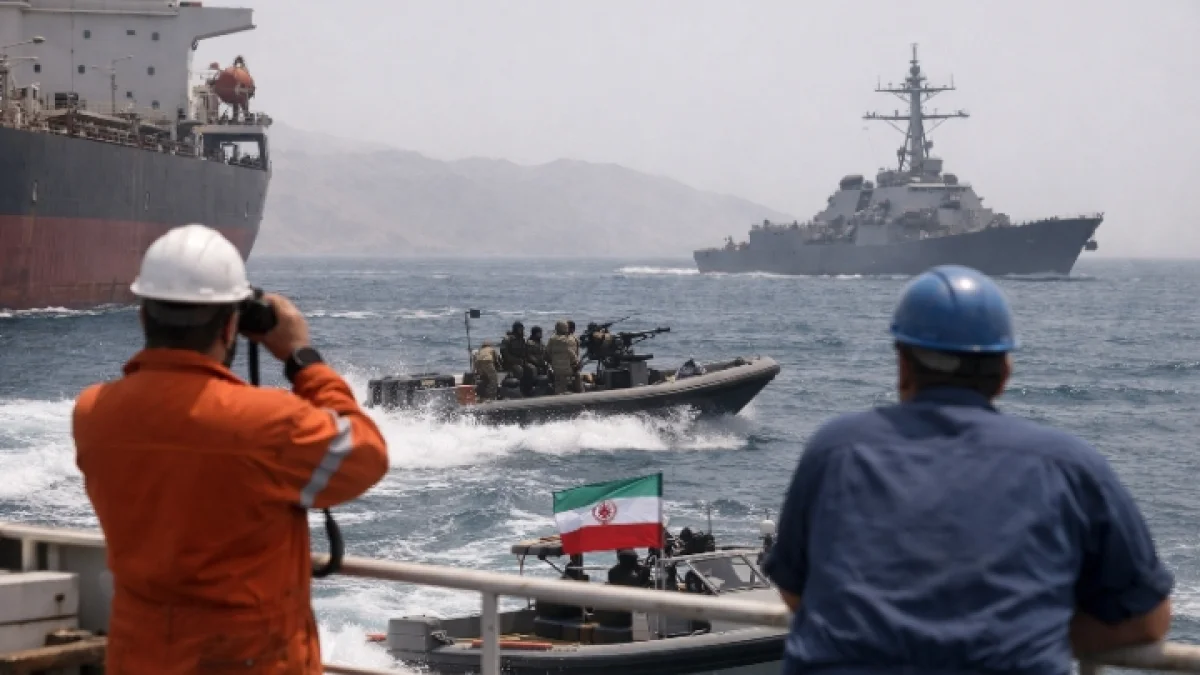
On Tuesday, only three commodity vessels were recorded passing through the strategic waterway, according to shipping data provider Kpler, as persistent military tensions kept commercial operators wary. No very large crude carriers or liquefied natural gas tankers were observed among the crossings, a sign of how sharply the risks surrounding one of the world’s most important maritime routes have altered the decisions facing crews and shipowners.
For the sailors aboard vessels still in or near the Persian Gulf, the crisis is not an abstraction about energy markets or geopolitics. It is a question of whether a voyage can be completed safely, whether a ship can leave port, and whether a crew can return home.
The International Maritime Organization has warned repeatedly that seafarers have been caught in circumstances beyond their control. In a July 8 statement, IMO Secretary-General Arsenio Dominguez said attacks on commercial ships had placed innocent seafarers in grave danger and said nearly 6,000 seafarers remained stranded aboard vessels unable to leave the Persian Gulf safely. He urged governments, shipowners and operators not to expose crews to unnecessary danger while security could not be assured.
The warnings have come as the maritime industry tries to navigate a waterway where the normal calculation of commercial risk has been overtaken by military confrontation.
The Strait of Hormuz is a narrow passage between Iran and Oman linking the Persian Gulf with the Gulf of Oman and the wider Indian Ocean. For decades, its importance has rested on the volume of oil and gas that moves through it. But for the crews of tankers, container ships and other commercial vessels, the strait is also a workplace whose dangers can change with little notice.
The IMO said in June that vessels had continued attempting to transit the strait without credible security guarantees, despite reports that seafarers had already been killed, injured or detained in earlier incidents. Dominguez said the risks were significant and beyond reasonable mitigation, and that no commercial consideration could justify exposing crews to such danger.
That warning has translated into decisions by governments as well as companies.
India, one of the world's largest sources of seafarers, directed shipowners, managers and recruitment agencies in July to stop deploying Indian seafarers on vessels transiting the Strait of Hormuz following an increase in attacks and security risks, according to The Straits Times. The move underscored how the conflict has reached beyond the ships themselves to the labor force that keeps global maritime commerce moving.
For families of seafarers, the uncertainty is measured in missed calls and delayed returns. A vessel that cannot safely pass the strait may remain at anchor or hold position while its crew waits for conditions to change. The IMO has described the resulting psychological strain on those stranded in the Gulf, while urging states involved in the conflict to facilitate safe departures.
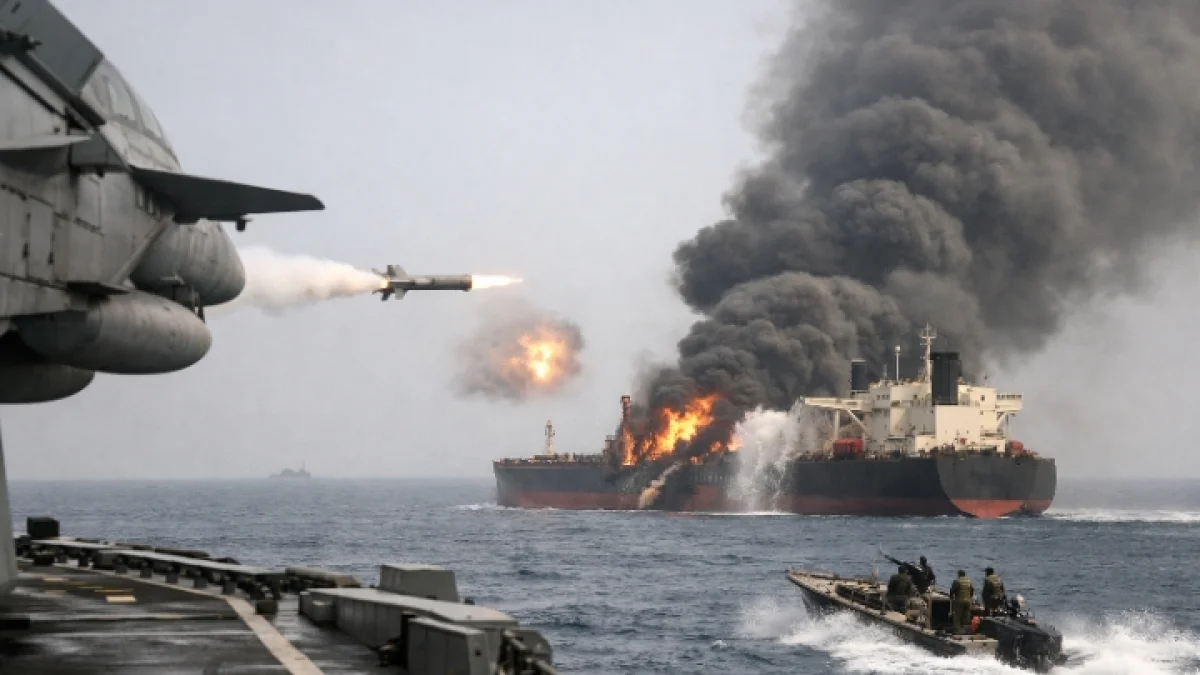
The organization attempted to create a controlled pathway out. In June, it began an evacuation framework for merchant ships confined in the Gulf, working with member states and maritime industry partners. The plan was later paused after an attack on a vessel in the Gulf of Oman that had passed through the Strait of Hormuz outside the evacuation framework. The IMO said it needed to reconfirm that adequate safety guarantees remained in place.
The pause illustrated the central dilemma facing the maritime sector: even efforts designed to reduce exposure to danger depend on a security environment that can shift faster than ships can move.
The consequences extend well beyond crews.
Communities around the Gulf depend on maritime traffic for employment, trade and supplies, while countries far from the region rely on the uninterrupted movement of energy through its waters. As ships stay away or wait for clearer conditions, the effects travel through markets and supply chains. The crisis has also begun to overlap with renewed threats in the Red Sea, where two Saudi oil tankers bound for Asia reportedly reversed course near the Bab el-Mandeb after threats from Yemen's Houthi rebels, according to Reuters.
The result is a maritime system in which two of the region's critical chokepoints are under pressure at the same time.
For shipping companies, the decision to send a vessel through Hormuz is therefore no longer simply a matter of calculating fuel, insurance and freight costs. It involves assessing whether the route can be navigated without placing a crew in unacceptable danger. For governments, the crisis raises questions about how to protect civilian shipping without drawing commercial vessels deeper into a military confrontation.
And for the sailors themselves, the stakes remain immediate.
The IMO's message has been consistent: their safety must come before the demands of commerce. On July 8, as attacks continued and thousands remained stranded, Dominguez put the issue in direct terms: "No seafarer should have to risk their life simply for doing their job."
The sparse traffic recorded through the strait this week reflects that reality. Behind every vessel that turns away, waits offshore or remains confined in the Gulf is a crew whose work has become inseparable from a conflict it did not start. And behind the disruption to the world's energy routes are communities and families waiting for the same thing the maritime industry is seeking: a passage that can once again be considered safe.