WASHINGTON — U.S. President Donald Trump has approved a civilian nuclear cooperation agreement with Saudi Arabia that could allow the kingdom to develop nuclear power facilities and potentially pursue domestic uranium enrichment, a move that has raised proliferation concerns in the Middle East.
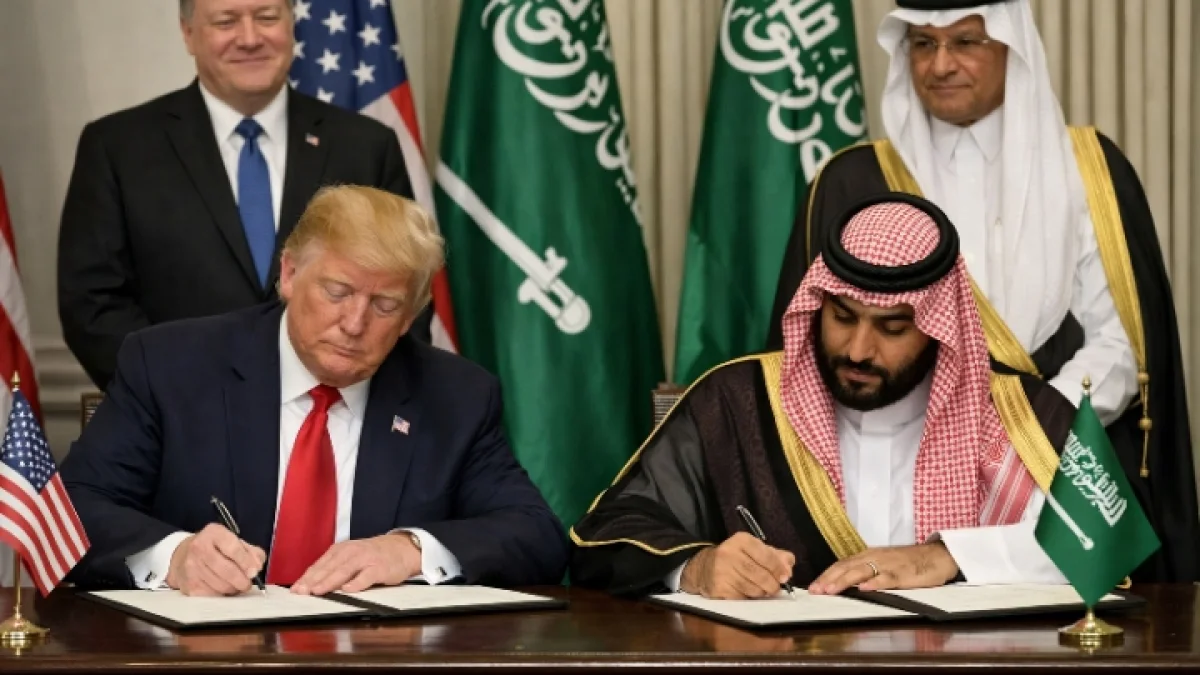
The United States and Saudi Arabia signed a so-called 123 agreement, the legal framework required for U.S. civilian nuclear cooperation with another country, along with a bilateral safeguards agreement, the U.S. Energy Department said on Wednesday. U.S. Energy Secretary Chris Wright and Saudi Energy Minister Prince Abdulaziz bin Salman signed the agreements.
The Energy Department said the pact would establish a decades-long, multibillion-dollar partnership and give U.S. companies greater access to Saudi Arabia's planned nuclear energy program. It said the agreements uphold nuclear safety, security and nonproliferation standards.
The agreement is expected to undergo a 90-day review by the U.S. Congress. Under U.S. law, Congress can block a 123 agreement during that period, subject to presidential veto powers.
The pact follows years of negotiations between Washington and Riyadh over Saudi Arabia's plans to develop nuclear energy as part of efforts to diversify its electricity supply and economy.
A key concern has been whether Saudi Arabia would be permitted to enrich uranium, a technology that can be used for civilian nuclear fuel but also has potential military applications. The Trump administration has said the agreement includes safeguards intended to prevent nuclear proliferation.
Secretary of State Marco Rubio, asked about the agreement on Wednesday, said the administration would work with Congress to formalize it. "Suffice it to say, the U.S. is not going to reach any agreement with any country in the world that leads to the risk of proliferation," Rubio said.
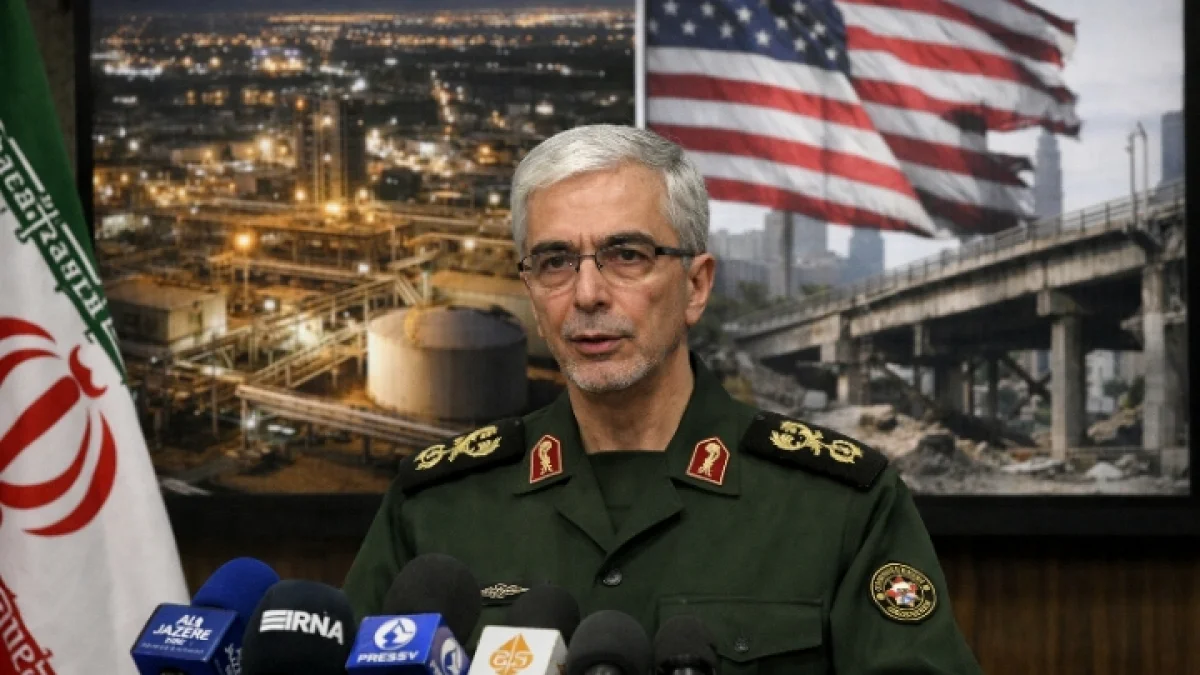
The agreement comes as nuclear proliferation remains a major security issue in the Middle East, particularly amid tensions surrounding Iran's nuclear program. Saudi officials have previously said the kingdom could seek nuclear weapons if Iran were to acquire them, raising concerns among nonproliferation experts about a potential regional arms race.
The U.S. Energy Department said the agreement would strengthen bilateral cooperation in energy and advanced technologies while creating opportunities for American industry and supply chains.
The deal now moves into the congressional review process, with its implementation dependent on completion of the required U.S. procedures.