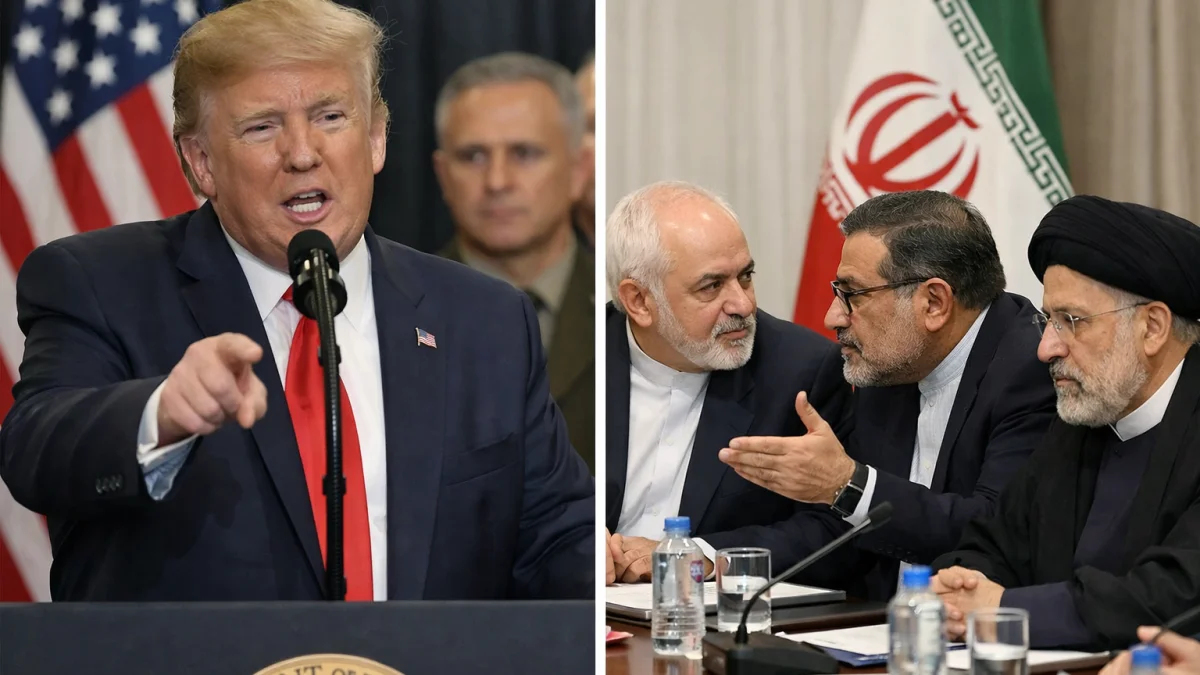
President Donald Trump's declaration that the U.S.-Iran ceasefire is "over," even as Washington agrees to continue talks requested by Tehran, underscores the increasingly dual-track nature of the relationship: sustained military pressure alongside continued diplomatic engagement. The latest statements indicate that neither side has abandoned negotiations despite the collapse of the interim arrangement that had temporarily reduced hostilities.
The development is significant because it illustrates the limits of the June memorandum intended to create space for broader negotiations after months of conflict. Rather than marking a return to either full-scale war or stable diplomacy, the current situation reflects a fluid environment in which military operations and diplomatic contacts are proceeding simultaneously. That combination complicates regional security calculations while leaving financial markets, Gulf states and international mediators closely monitoring whether talks can still produce a more durable framework.
Trump said the United States had agreed to continue discussions after Iran requested further talks, while emphasizing that the ceasefire itself had ended. The comments followed renewed military exchanges after both sides accused each other of violating the earlier understanding. U.S. officials nevertheless indicated that technical discussions with Iranian representatives were continuing and that no new U.S. strikes had occurred in the immediate hours following Trump's announcement, suggesting Washington is seeking to preserve diplomatic channels even as it maintains military leverage.
The collapse of the ceasefire highlights the difficulty of translating temporary battlefield pauses into lasting political agreements. The June arrangement was designed to halt immediate hostilities and create a negotiating window, but repeated incidents involving maritime security, U.S. military facilities in the Gulf and retaliatory strikes steadily weakened confidence between the parties. Each new confrontation increased political pressure on both governments while narrowing the room for compromise.
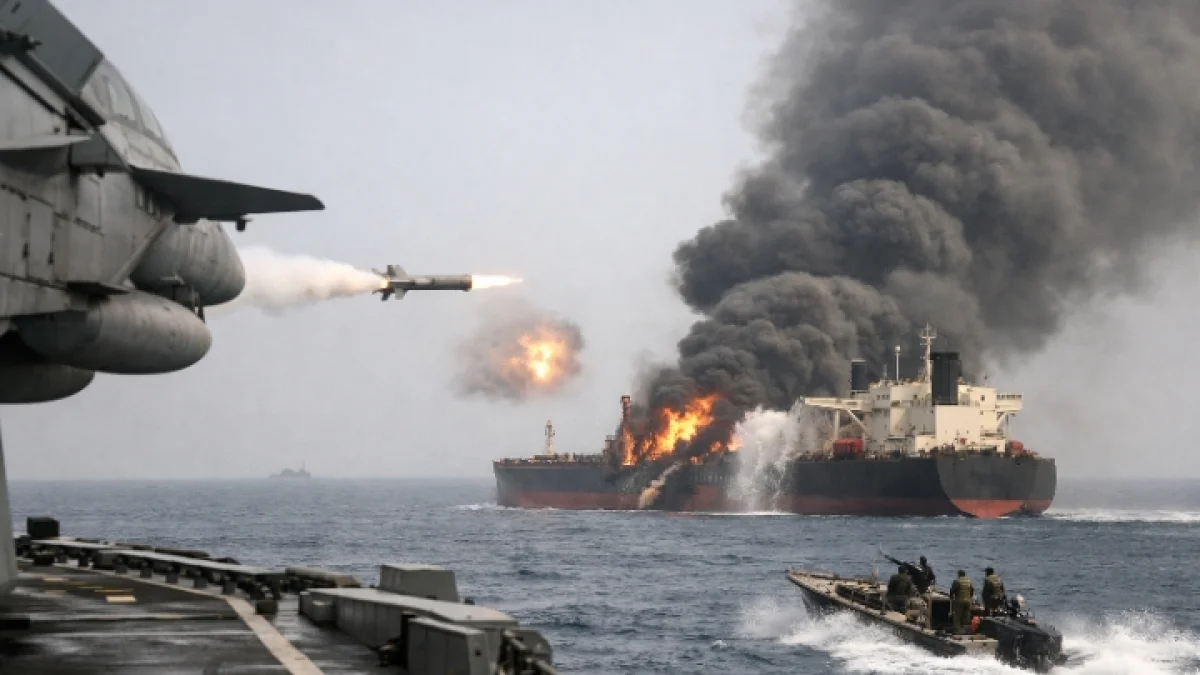
Control of maritime security remains central to the dispute. The Strait of Hormuz continues to represent one of the world's most strategically important shipping routes, carrying a substantial share of globally traded crude oil. Alleged attacks on commercial shipping and renewed concerns about freedom of navigation have reinforced Washington's stated objective of protecting maritime traffic, while Iran has continued to frame regional security through its own strategic interests. Disruptions in the waterway have repeatedly influenced energy prices, demonstrating how military developments quickly translate into broader economic consequences.
The decision to continue negotiations despite intensified rhetoric also reflects broader diplomatic realities. Regional governments, including Gulf states and other intermediaries, have invested considerable effort in preventing a wider conflict that could threaten regional stability and international energy markets. According to reporting, Qatari diplomacy has remained active in facilitating contacts between Washington and Tehran, illustrating that third-party mediation continues even when public statements become more confrontational.
For Washington, maintaining talks while preserving the option of military action offers strategic flexibility but also presents challenges. Military pressure may strengthen bargaining leverage in negotiations, yet repeated exchanges increase the risk of miscalculation or unintended escalation. At the same time, the administration must balance regional security commitments with domestic political considerations, including concerns over energy prices and the broader economic effects of prolonged instability. Reuters has reported that rising fuel costs and political pressures have added urgency to efforts to prevent the conflict from expanding further.
For Iran, continuing negotiations despite renewed hostilities suggests that diplomatic engagement remains preferable to an open-ended military confrontation, even as Tehran seeks to demonstrate resilience against U.S. pressure. The willingness to pursue technical discussions while disputes continue indicates that neither side currently views diplomacy as exhausted, despite sharp public rhetoric. That distinction is important because previous periods of heightened confrontation have often been accompanied by indirect negotiations rather than complete diplomatic disengagement.
International observers are likely to assess the current phase less by public declarations than by operational developments. The frequency of military strikes, the security situation around the Strait of Hormuz, the continuation of technical negotiations and the role of regional mediators will all provide clearer indicators of whether the parties are moving toward renewed escalation or a revised negotiating framework. Markets have generally responded cautiously, reflecting expectations that diplomacy, although fragile, has not been abandoned entirely.
The confirmed situation therefore remains one of heightened tension rather than definitive strategic change. The interim ceasefire has effectively ended according to Trump, but official contacts continue and both governments remain engaged through diplomatic channels. Authorities and international mediators are now closely monitoring further military activity, the progress of technical talks, developments affecting maritime security in the Gulf and whether negotiations can produce a more durable arrangement to reduce the risk of renewed large-scale conflict.