The renewed military confrontation between the United States and Iran has underscored how quickly a fragile ceasefire can unravel when its underlying political disputes remain unresolved. The latest exchange of U.S. strikes on Iranian military infrastructure and Iranian retaliatory attacks against U.S. forces and regional partners marks the most serious deterioration since an interim memorandum intended to halt direct hostilities was reached only weeks earlier. U.S. officials have described the strikes as a response to attacks attributed to Iran and its allies, while Tehran has accused Washington of violating the agreement and warned of further retaliation.
The immediate significance extends beyond another cycle of military action. The collapse of the ceasefire has demonstrated the limits of crisis-management agreements that reduce violence without resolving the strategic disputes that produced the conflict. Those disputes include freedom of navigation through the Strait of Hormuz, sanctions, regional security arrangements, and Iran's relationships with allied armed groups across the Middle East. As military operations resume, diplomats face a narrower space for de-escalation even though indirect contacts have not entirely ceased.
The ceasefire itself was always regarded by analysts as a temporary mechanism rather than a comprehensive peace settlement. The understanding reduced large-scale hostilities but left fundamental disagreements over implementation, verification and reciprocal obligations. United Nations officials warned shortly after the agreement that restraint would remain fragile unless negotiations continued and both sides adhered to their commitments. Those concerns have since become central to assessments of why the arrangement failed to prevent renewed conflict.
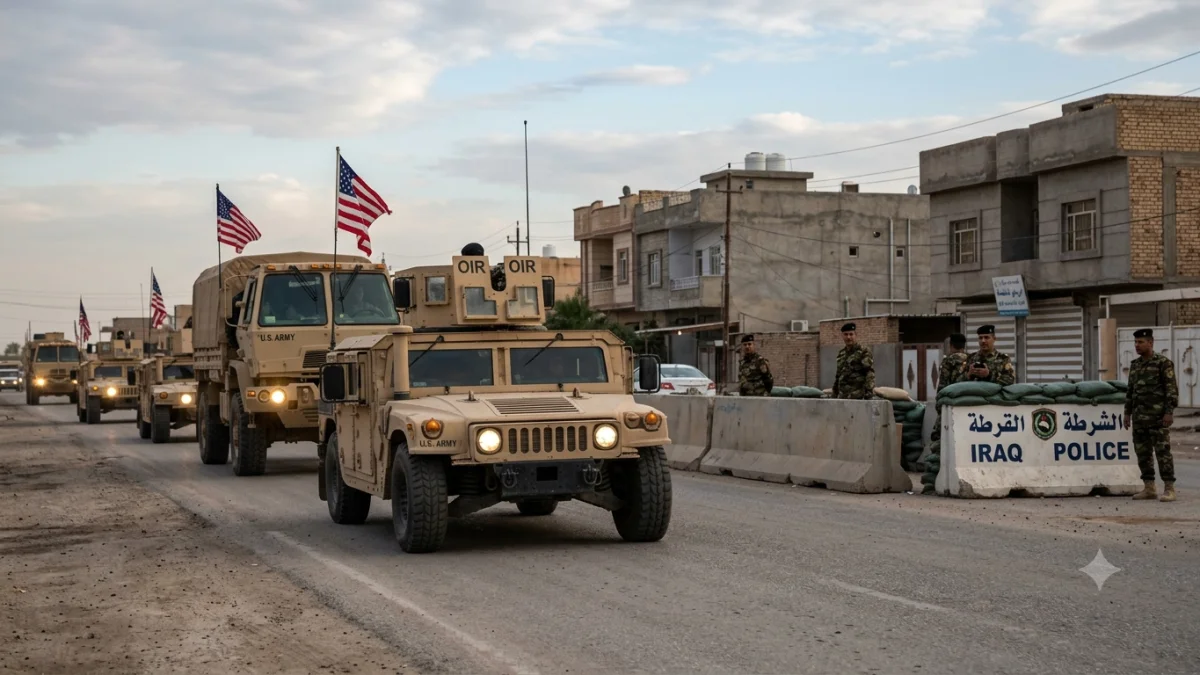
Military developments have also broadened the geographic scope of risk. Reported attacks involving Jordan, Kuwait and other Gulf states illustrate how regional partners hosting U.S. forces increasingly face direct exposure whenever Washington and Tehran exchange strikes. Gulf governments have repeatedly urged restraint while strengthening defensive measures, reflecting concern that infrastructure critical to energy exports, desalination and commercial shipping could become targets regardless of their efforts to avoid direct involvement.
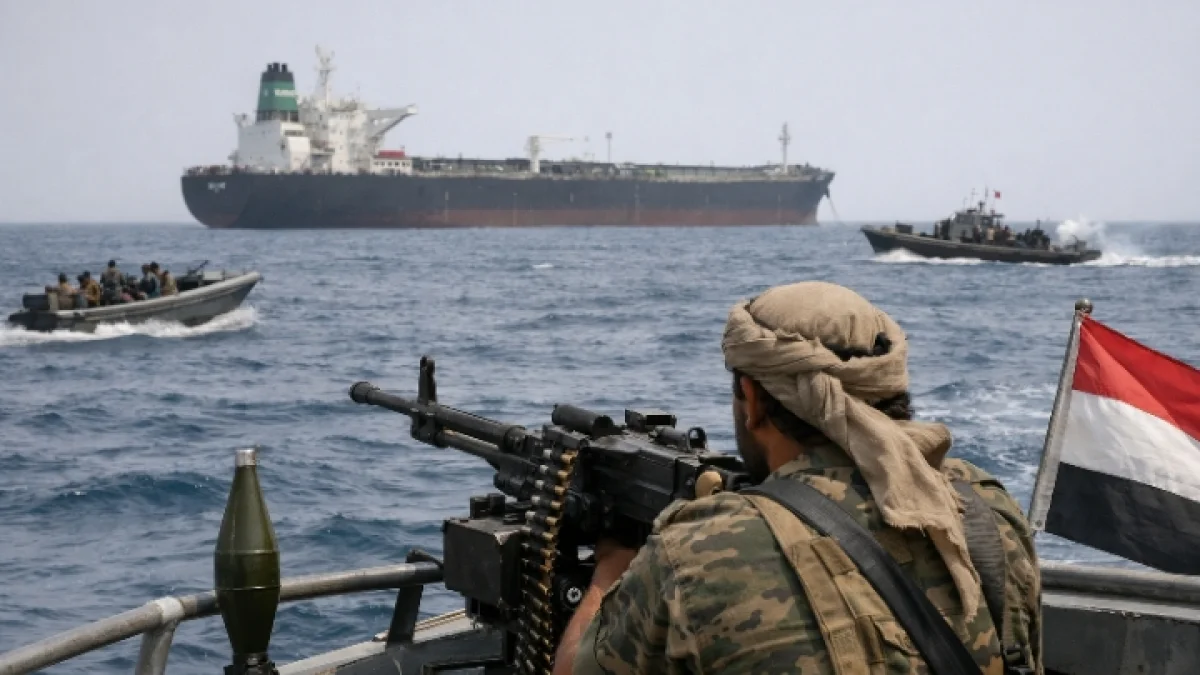
The Strait of Hormuz remains one of the conflict's most strategically significant flashpoints. Roughly one-fifth of globally traded oil normally passes through the waterway, making even temporary disruptions economically important. Recent attacks on shipping and heightened military deployments have renewed concerns among energy markets, insurers and shipping companies over navigational safety and transportation costs. While energy markets have experienced similar episodes during previous regional crises, prolonged uncertainty could sustain higher risk premiums even without a complete interruption of maritime traffic.
For Washington, the renewed escalation illustrates the difficulty of balancing military deterrence with diplomatic objectives. The administration has argued that military action is intended to protect U.S. personnel, preserve freedom of navigation and deter further attacks. At the same time, officials have indicated that indirect negotiations remain possible despite declaring the ceasefire no longer operative. That dual-track approach—combining military pressure with continued diplomatic contacts—has characterized several previous U.S. confrontations with Iran but has historically struggled to produce durable political settlements.
Iranian leaders, meanwhile, have framed renewed U.S. military operations as evidence that Washington cannot be trusted to uphold negotiated understandings. Supreme Leader Mojtaba Khamenei has argued that repeated U.S. actions demonstrate the agreement lacked credibility, reinforcing longstanding skepticism within Iran's leadership toward negotiations conducted under military pressure. Such messaging is likely to strengthen factions advocating a firmer response while complicating efforts by mediators seeking renewed dialogue.
Regional mediation nevertheless remains an important factor. Qatar and other intermediaries have continued efforts to facilitate indirect communication between Washington and Tehran, reflecting a broader regional interest in preventing escalation from expanding into a wider interstate conflict. Previous rounds of mediation helped secure temporary pauses in fighting, suggesting diplomatic channels remain available even as military operations continue. Their effectiveness, however, depends on whether both sides conclude that continued escalation imposes greater costs than renewed negotiations.
Historical comparisons suggest that U.S.-Iran confrontations frequently move through cycles of escalation, limited retaliation and diplomatic engagement rather than sustained conventional warfare. Both governments have generally sought to avoid an uncontrolled regional conflict while simultaneously attempting to preserve deterrence and domestic political credibility. That pattern helps explain why periods of military confrontation have often been followed by indirect negotiations, even when public rhetoric remains confrontational.
The current situation remains fluid. Confirmed developments indicate that military exchanges have resumed, the interim ceasefire has effectively collapsed, and diplomatic contacts continue through intermediaries despite deteriorating security conditions. Officials across the region are monitoring additional military activity, the security of commercial shipping through the Strait of Hormuz, potential risks to U.S. forces and regional infrastructure, and whether indirect negotiations can establish another framework for de-escalation. The trajectory of those developments, rather than public statements alone, will determine whether the confrontation stabilizes or intensifies further.