WASHINGTON — The U.S. economy remained resilient through the first half of 2026 despite trade tensions and higher import tariffs, with solid output, consumer spending and business investment helping offset headwinds from policy uncertainty and a cooling labor market, according to government data and economists.
The Commerce Department last week revised first-quarter gross domestic product growth to an annualized 2.1%, stronger than previously estimated, reflecting firmer consumer spending and business investment. Economists said the revision reinforced evidence that domestic demand had held up even as tariffs increased costs for some businesses and disrupted trade flows.
The economy entered the year facing uncertainty over expanded tariffs on imported goods, prompting many companies to reassess supply chains and pricing strategies. While the duties lifted costs for some manufacturers and retailers, broad economic activity continued to expand, supported by productivity gains, investment linked to artificial intelligence and relatively healthy household balance sheets.
The International Monetary Fund said in its latest U.S. assessment that growth was expected to accelerate modestly in 2026 to about 2.4%, while the inflationary effects of tariffs should gradually fade. The Fund said employment growth was slowing but forecast the unemployment rate would remain close to 4% over 2026 and 2027.
Signs of moderation emerged in the labor market on Thursday, however, as the Labor Department reported that nonfarm payrolls increased by 57,000 jobs in June, well below economists' expectations. The unemployment rate edged down to 4.2%, largely because fewer people participated in the labor force. Healthcare, social assistance and professional services continued to add jobs, while leisure and hospitality employment declined.
The weaker employment report prompted investors to scale back expectations for near-term Federal Reserve interest-rate increases. Analysts said the combination of steady economic growth and slower hiring suggested the economy was expanding without showing signs of overheating.
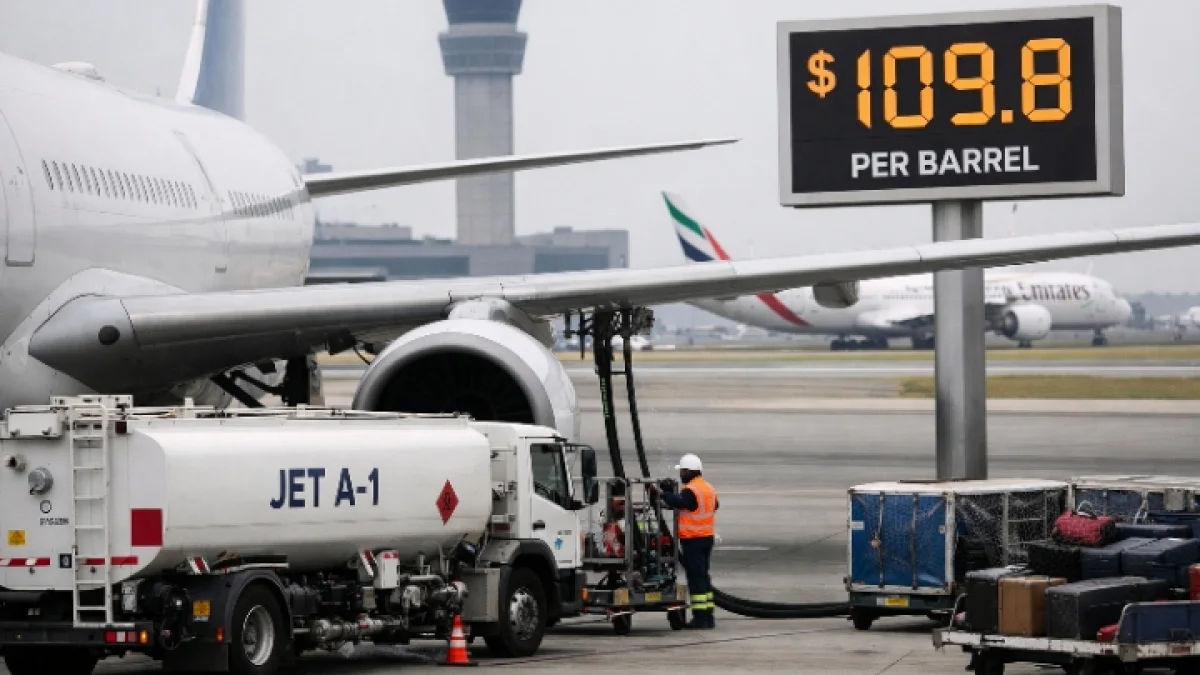
Economists cautioned that risks remain for the second half of the year, including the possibility that tariffs could place further pressure on consumer prices and business investment if trade tensions persist. At the same time, easing energy prices following a ceasefire in the Middle East have reduced one source of inflation pressure, potentially giving policymakers greater flexibility as they assess incoming economic data.