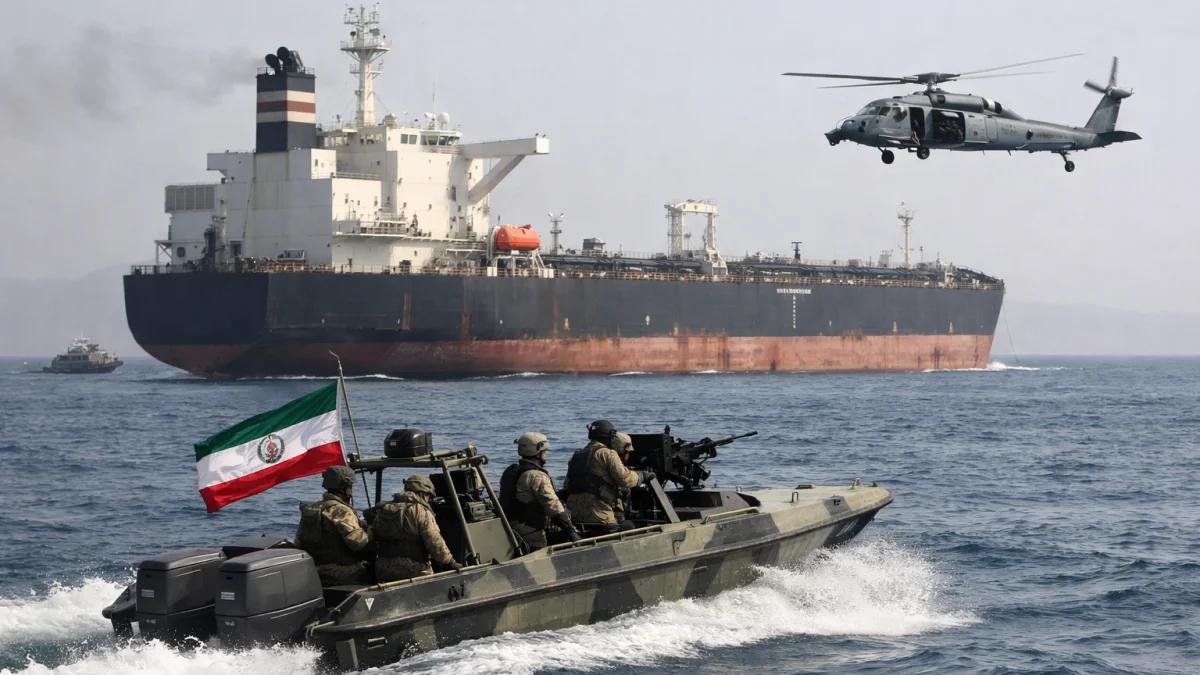
DUBAI — Escalating confrontation between the United States and Iran around the Strait of Hormuz is disrupting global oil shipping, forcing tanker operators to alter routes, delay voyages and reassess security risks along one of the world's most important energy corridors.
Commercial shipping through the narrow waterway, which carries a significant share of global seaborne crude exports, has slowed sharply as military operations intensified and attacks involving vessels heightened concerns among shipowners, maritime security firms and energy traders.
Several shipping and maritime security sources said some operators have declined to use U.S. military-assisted transit arrangements after recent attacks on commercial vessels, while others have delayed departures or rerouted ships where possible. Industry analysts said insurers have also raised war-risk premiums, increasing transportation costs for cargoes moving from Gulf producers to international markets.
The renewed disruption follows the collapse of a brief ceasefire between Washington and Tehran. The United States has continued strikes on Iranian military and infrastructure targets, while Iran has launched retaliatory attacks across the Gulf region and asserted greater control over shipping movements near the strait. Reuters has not independently verified all battlefield claims made by either side.
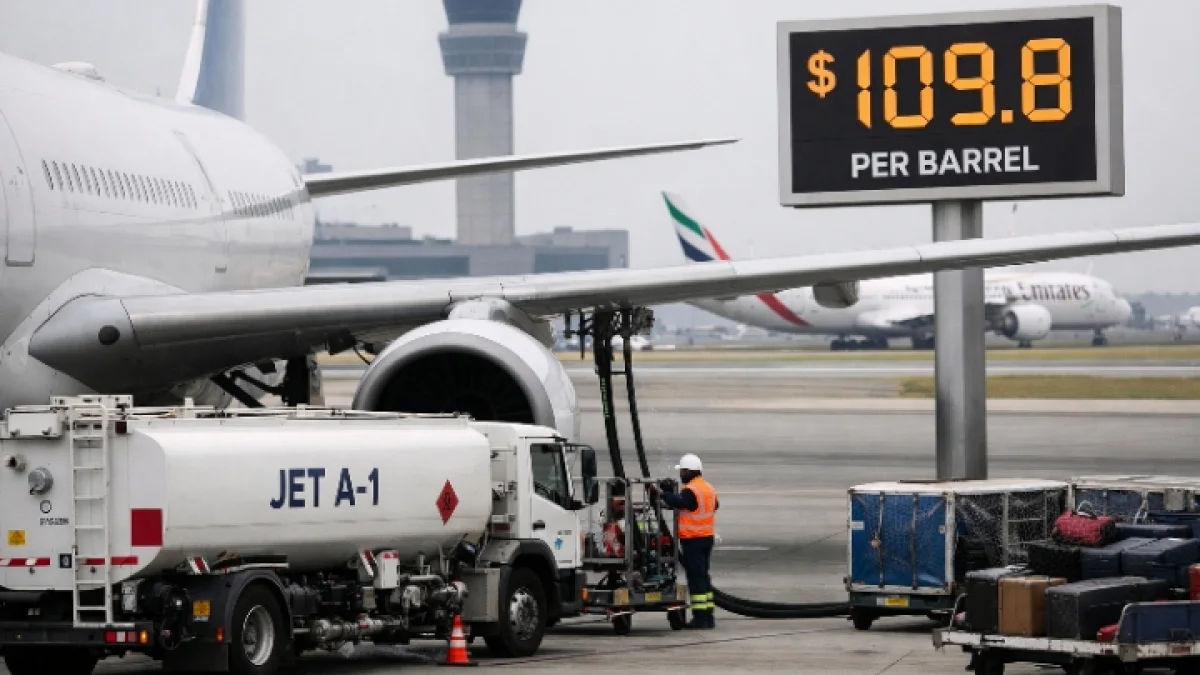
Oil prices rose as traders weighed the risk of prolonged supply disruptions, although physical exports from several Gulf producers have continued through reduced traffic. Market participants said uncertainty over safe navigation, rather than a complete halt in production, has become the principal driver of higher freight costs and price volatility.
Maritime analysts said vessel movements have shifted toward routes considered less exposed to potential attacks, although available alternatives remain limited because the Strait of Hormuz is the only maritime outlet for most Persian Gulf crude exports. Shipping data monitored by industry firms indicate that crossings remain well below levels recorded before hostilities intensified earlier this month.
Governments across the Gulf have continued to monitor maritime security while urging efforts to preserve freedom of navigation. International shipping organizations have advised operators to maintain close contact with naval authorities and follow updated security guidance before entering the area.
As of July 18, military exchanges between the United States and Iran were continuing, with commercial shipping still operating under heightened security measures and traffic through the Strait of Hormuz remaining significantly disrupted.