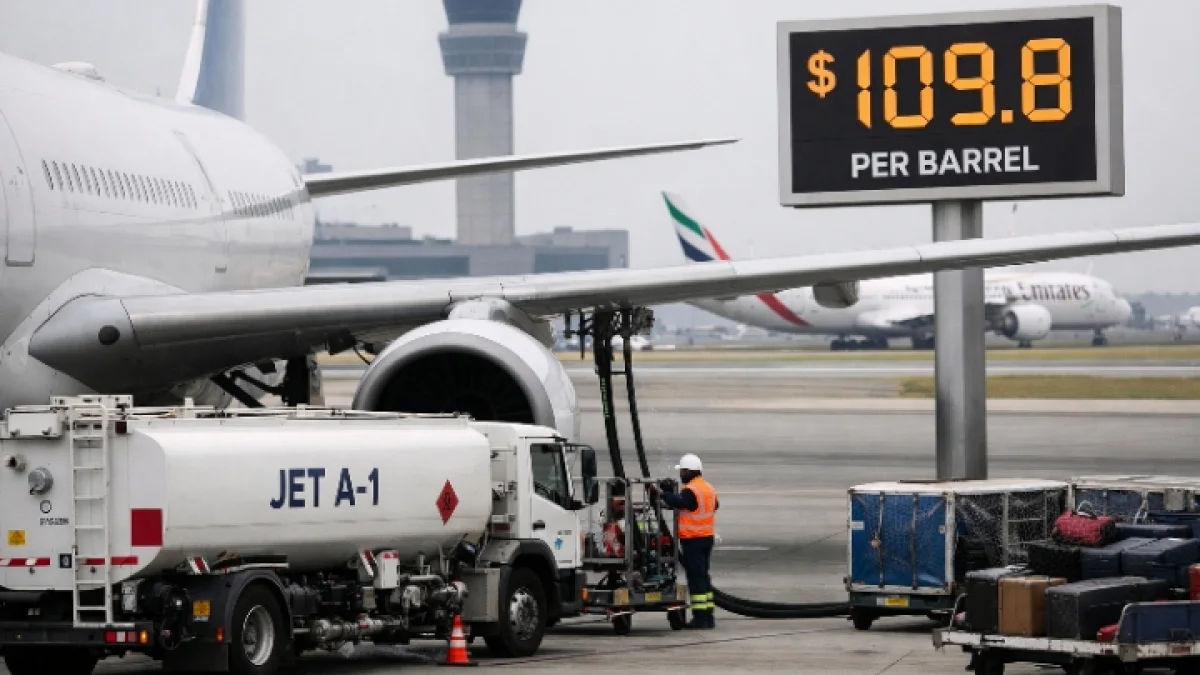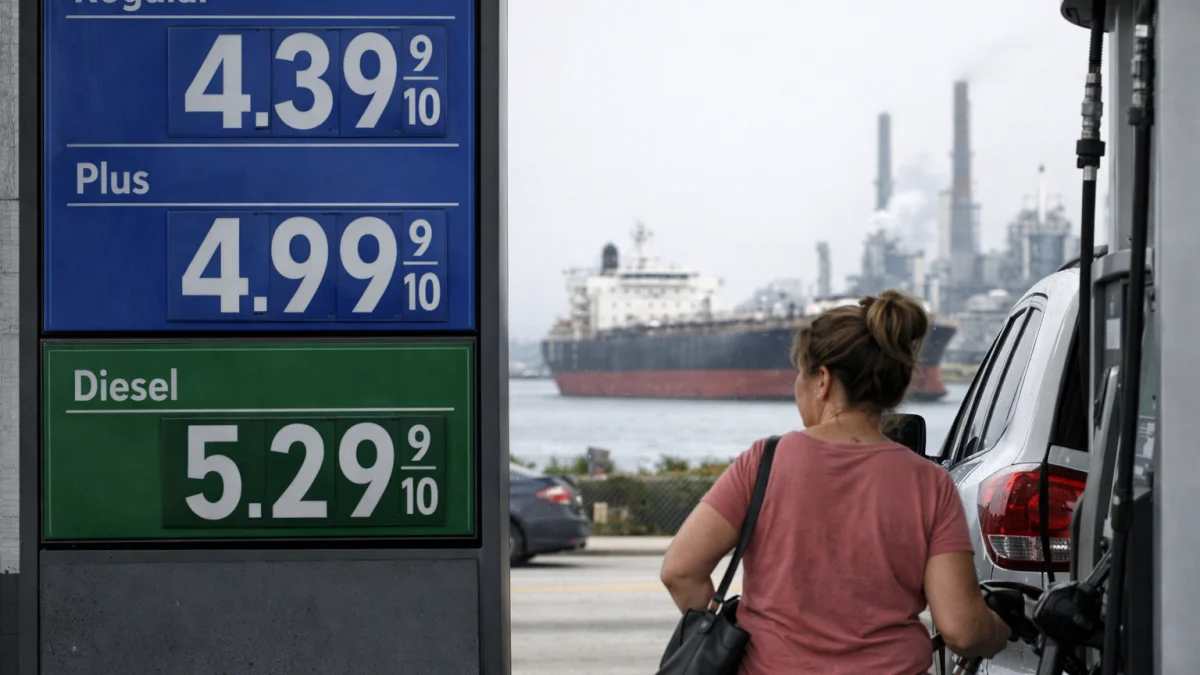
WASHINGTON — U.S. consumers are facing renewed pressure at fuel stations as escalating geopolitical tensions in the Middle East push global oil prices higher, raising concerns that transportation costs could increase if supply disruptions persist.
Oil markets moved sharply higher on Monday after renewed clashes between the United States and Iran increased uncertainty around crude shipments through the Strait of Hormuz, a major route for global energy trade. Brent crude prices rose to around $79 a barrel, while U.S. benchmark crude also gained, according to market reports.
The increase in crude prices has added pressure to U.S. fuel markets, where gasoline, diesel and other petroleum products remain sensitive to changes in global supply expectations. The U.S. Energy Information Administration has previously said higher crude oil prices can raise wholesale gasoline, diesel and jet fuel costs, with supply concerns linked to the Strait of Hormuz contributing to price increases.
Energy analysts and market participants are closely monitoring whether disruptions to shipping routes or further military escalation could affect oil flows from the Gulf region. The Strait of Hormuz is one of the world’s most important energy transit points, and uncertainty over its security has historically contributed to volatility in oil prices.
Higher fuel costs can affect households directly through gasoline purchases and indirectly through transportation expenses for goods and services. Businesses that rely on fuel-intensive operations, including trucking, aviation and logistics, may face increased costs if elevated energy prices continue.
The impact on U.S. consumers remains dependent on the duration and severity of the geopolitical developments. The EIA’s July 2026 outlook had projected that U.S. retail gasoline prices would decline during the third quarter as crude markets eased, but noted that energy markets remain exposed to changes in global supply and demand conditions.
Market officials and policymakers are watching inflation risks linked to energy prices as higher fuel costs can affect broader price measures. Investors have also reacted to the latest tensions by reassessing risks to growth and inflation expectations.
The latest confirmed market developments show oil prices remaining elevated as traders assess the potential impact of continued U.S.-Iran tensions and the security of key shipping routes. Further movements in fuel prices will depend on subsequent developments in the region and global oil supply conditions.