U.S. financial markets entered July weighing two distinct but interconnected developments: President Donald Trump's latest financial disclosures, which underscored the growing role of cryptocurrency in his personal wealth, and signs of progress in indirect U.S.-Iran negotiations that pushed oil prices to their lowest levels since before the latest Middle East conflict. Together, the developments illustrate how political disclosures and geopolitical diplomacy continue to shape investor expectations across asset classes.
The significance extends beyond the immediate market reaction. Investors are simultaneously reassessing geopolitical risk premiums embedded in energy prices while evaluating whether political developments surrounding the president's financial interests could influence regulatory debates, particularly in digital assets. Although the two events are unrelated substantively, both affected market sentiment because they touch sectors that have become increasingly sensitive to policy signals.
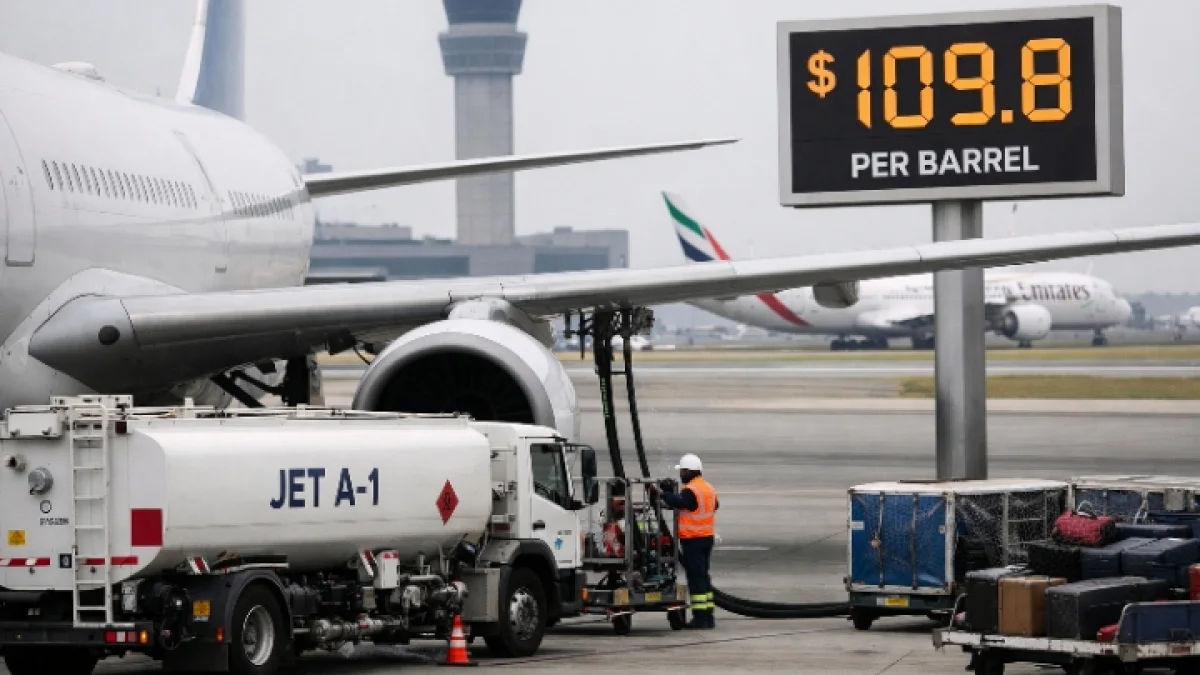
Oil markets registered the clearest response. Brent crude and U.S. West Texas Intermediate futures fell sharply after officials from Qatar reported positive progress in indirect talks between Washington and Tehran. The negotiations, aimed at stabilizing relations following months of conflict and restoring confidence in shipping through the Strait of Hormuz, reduced immediate concerns about supply disruptions from one of the world's most strategically important energy corridors.
The decline reflects a familiar pattern in commodity markets. During periods of military confrontation or threats to major transport routes, crude prices typically include a geopolitical risk premium. As the perceived probability of prolonged disruption declines, that premium diminishes. Analysts at several financial institutions have also noted that improving supply conditions, recovering tanker traffic, record U.S. crude production, weaker Chinese demand and expectations of adequate global inventories have reinforced downward pressure on prices.
Yet the market's response also demonstrates caution rather than certainty. Negotiators have not announced a comprehensive agreement, and key issues—including Iran's nuclear program and broader regional security arrangements—remain unresolved. Traders therefore continue to monitor official statements closely, recognizing that renewed tensions could quickly reverse recent price declines.
Lower oil prices carry broader implications for financial markets and the U.S. economy. Energy costs influence transportation, manufacturing and consumer inflation. Sustained moderation in crude prices could ease inflationary pressures that have remained a central concern for policymakers, potentially providing additional flexibility for monetary policy if broader economic conditions also support easing price pressures. Market participants have therefore interpreted lower energy prices as modestly supportive for equities outside the energy sector, even as oil producers face reduced revenue expectations.
At the same time, investors have been digesting Trump's annual financial disclosure, which revealed that cryptocurrency-related businesses generated more than $1.4 billion in reported income during 2025, making digital assets the largest contributor to his earnings. According to a Reuters review of the filing, the disclosure showed substantial proceeds from World Liberty Financial and licensing arrangements tied to Trump-branded digital assets.
The disclosure itself does not alter financial regulations or market rules. However, it has renewed scrutiny from lawmakers and ethics experts regarding potential conflicts of interest because the administration continues to shape cryptocurrency policy while the president maintains significant financial exposure to the sector. White House officials have rejected conflict concerns, stating that Trump's investments are managed independently and that policy decisions are made in the public interest. Trump likewise told reporters that he is not directly involved in managing his finances and argued that many Americans have benefited from rising financial markets.
For financial markets, the practical significance lies less in the disclosure's legal requirements than in its potential influence on expectations surrounding digital-asset regulation. Since returning to office, the administration has adopted a more favorable stance toward cryptocurrency than previous administrations, encouraging investors to monitor whether legislative and regulatory developments continue to support the sector. The disclosures therefore reinforce the perception that cryptocurrency policy has become an increasingly important component of broader financial market analysis.
Equity investors, meanwhile, remain focused on a broader set of macroeconomic drivers. Reuters' market analysis noted that technology shares, Federal Reserve policy expectations, inflation trends and global growth continue to exert greater influence over overall market direction than any single political development. The president's financial disclosures have generated political and ethical debate, but market participants continue to prioritize earnings prospects, interest rates and economic data when valuing equities.
The simultaneous movement in oil and political headlines nevertheless highlights how quickly markets adjust to evolving information. Diplomatic progress can rapidly alter commodity pricing, while official financial disclosures can reshape expectations about regulatory priorities without necessarily producing immediate changes in asset valuations.
For now, investors are watching several confirmed developments: whether indirect U.S.-Iran negotiations produce a durable agreement capable of sustaining lower geopolitical risk premiums in energy markets; whether oil prices stabilize as global supply conditions improve; and whether Trump's financial disclosures prompt additional official scrutiny or legislative responses regarding cryptocurrency oversight. Those issues, rather than the initial headlines alone, are likely to determine whether recent market reactions prove temporary or become part of a more durable shift in investor expectations.