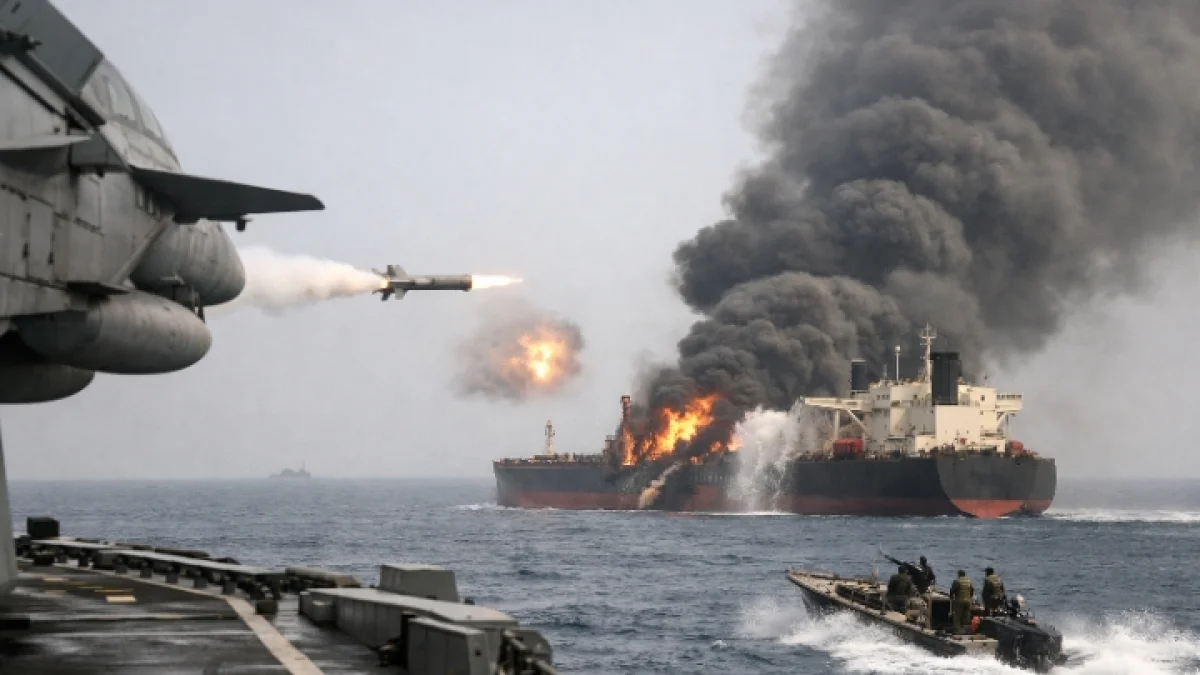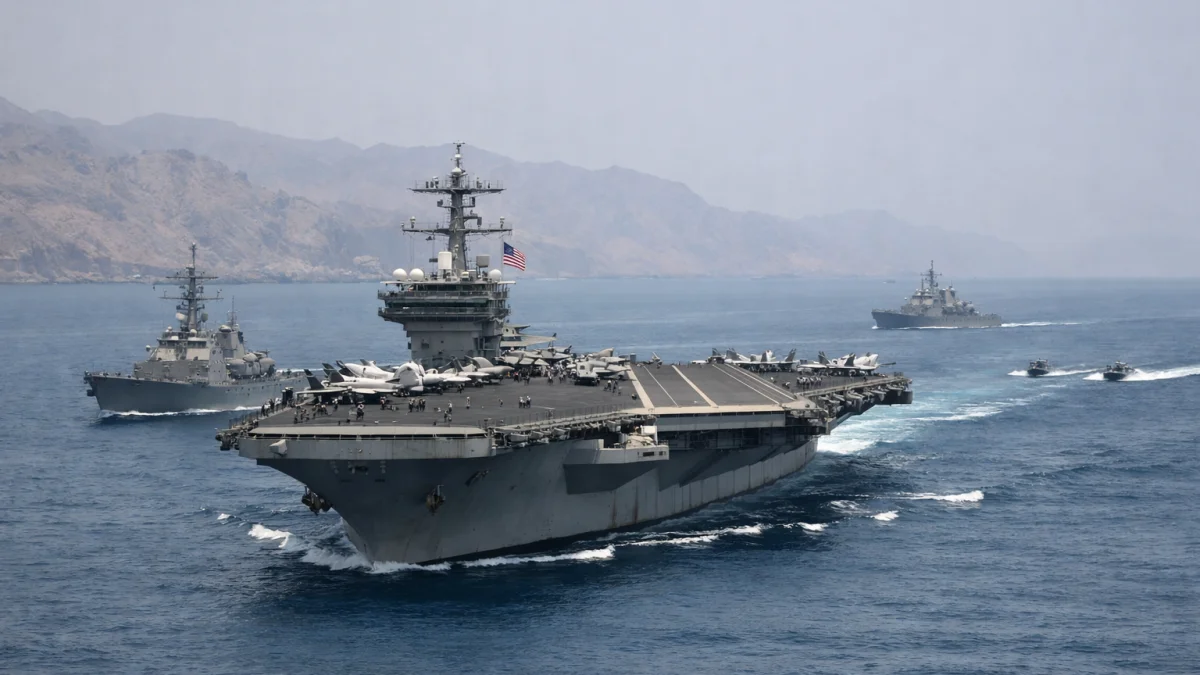
WASHINGTON — U.S. President Donald Trump said on Monday that the United States would take control of security operations in the Strait of Hormuz, after escalating tensions with Iran over the strategic waterway and Tehran’s threats to restrict shipping access.
Trump said the United States would become the “guardian” of the strait and suggested that shipping companies should reimburse Washington for the cost of protecting passage through one of the world’s most important energy routes.
“We’re going to keep the strait, and we’ll probably run it,” Trump said in a phone interview with Fox News, adding that the United States should be compensated for providing security.
The Strait of Hormuz, located between Iran and Oman, is a critical maritime chokepoint through which a significant share of global oil shipments passes. The waterway has become a central point of confrontation during the latest U.S.-Iran tensions, with both sides making competing claims over control and navigation rights.
Iran has asserted authority over traffic through the strait and has threatened further action following renewed clashes with U.S. forces, while Washington has argued that international law protects freedom of navigation and has challenged Tehran’s restrictions.
The Trump administration said it was reinstating measures aimed at limiting Iranian shipping activity and maintaining access through the waterway. U.S. officials have said American forces are working to keep commercial routes open, while Iran has disputed U.S. actions and continued to claim control over maritime operations in the area.
Trump also announced plans for a 20% charge on certain cargo passing through the strait to help cover security operations, according to reports citing his statements. The proposal’s implementation details and legal basis were not immediately clear.
The latest dispute follows a series of military exchanges between Washington and Tehran, including attacks and retaliatory strikes across the Gulf region, according to U.S. and Iranian statements. Each side has blamed the other for escalating the confrontation.
Energy markets have monitored developments closely because prolonged disruption in the Strait of Hormuz could affect global oil supplies and shipping costs.
As of Monday, the United States and Iran continued to issue conflicting claims over authority and access in the strait, with no new agreement announced to resolve the dispute.