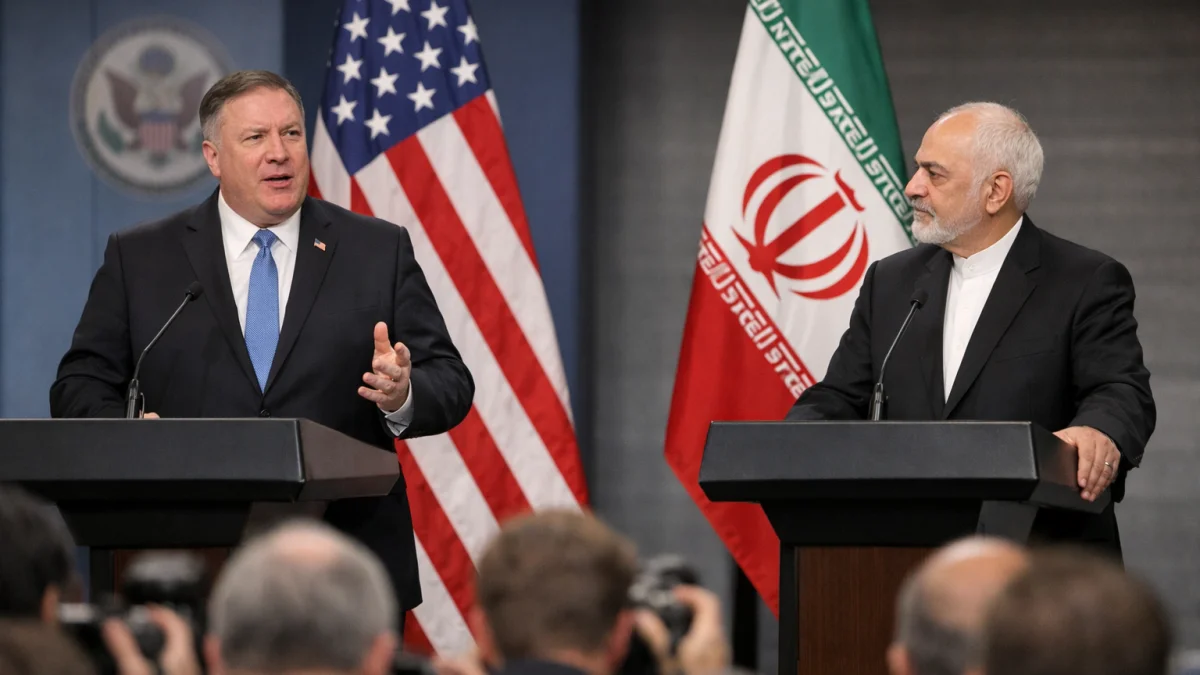
WASHINGTON — The Trump administration has granted Iran a 60-day waiver from key oil-related sanctions following initial talks between U.S. and Iranian officials in Switzerland, a move U.S. officials described as part of a broader effort to support negotiations toward a longer-term agreement.
The waiver took effect on Monday and allows Iran to produce, deliver and sell crude oil, petroleum products and petrochemicals during the temporary negotiating period, according to statements from the U.S. Treasury Department and administration officials. The measure follows talks held in Bürgenstock, Switzerland, under a framework aimed at reducing regional tensions and establishing a roadmap toward a permanent accord.
Treasury Secretary Scott Bessent said the waiver was linked to commitments discussed during the talks. “As part of the framework, Treasury has issued a temporary 60-day general license authorizing the production, delivery, and sale of Iranian oil,” Bessent said in a statement. He added that Iran had committed to maintaining open transit through the Strait of Hormuz and permitting inspections by the International Atomic Energy Agency, although details of implementation remain unclear.
Vice President JD Vance said the discussions had created “a good foundation” for a potential final agreement. U.S. officials said negotiators agreed to pursue a permanent deal within 60 days, with mediation support from Qatar and Pakistan.
Iranian officials also reported progress after the talks. Iranian Foreign Minister Abbas Araghchi said negotiators had achieved “major progress,” according to Iranian and international media reports. However, Tehran disputed U.S. assertions that formal negotiations regarding Iran’s nuclear program had begun, highlighting continuing differences between the two sides.
The sanctions waiver marks a significant policy shift after months of heightened tensions involving Iran, the United States and regional actors. The negotiations followed an interim understanding intended to reduce hostilities and restore commercial activity, including shipping through the Strait of Hormuz, a critical route for global energy supplies.
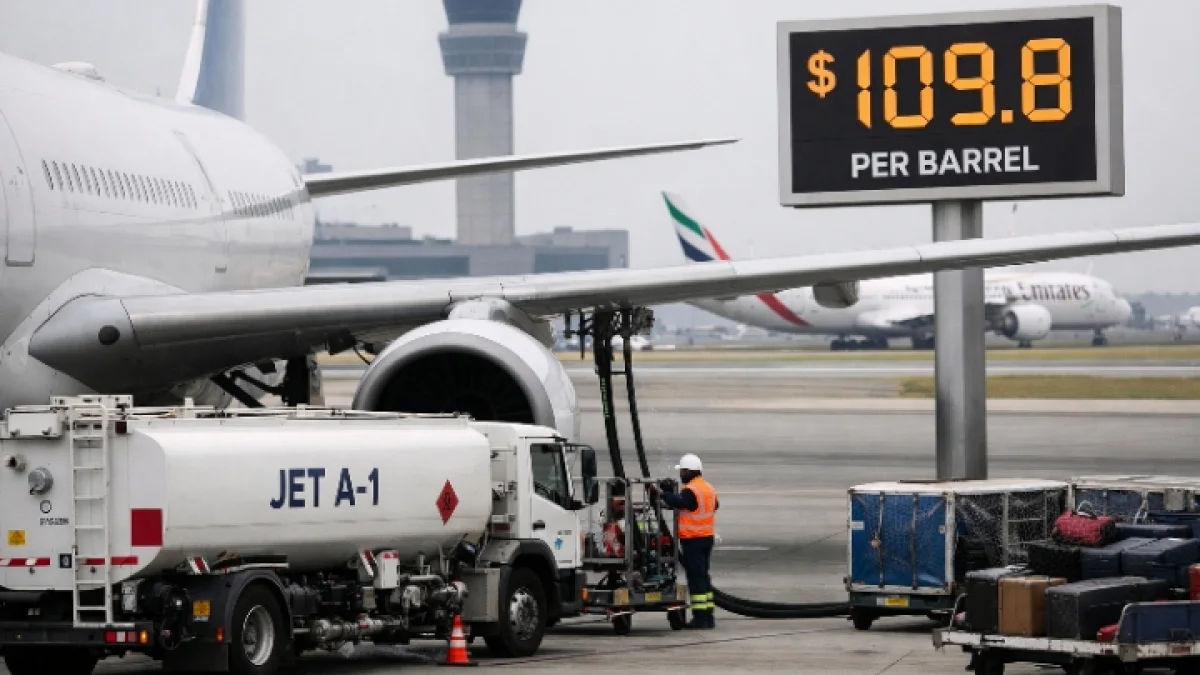
Financial markets reacted quickly to the announcement. Oil prices fell after traders anticipated increased Iranian crude exports and improved supply conditions. Analysts cited expectations of additional barrels reaching international markets during the waiver period.
President Donald Trump said this week that the United States expected Iran to comply with the terms of the interim arrangement. “I’ll do what I have to do,” Trump told reporters when asked about enforcement if Iran failed to meet its commitments.
As of Thursday, negotiations remained ongoing. U.S. and Iranian officials have not announced a final agreement, and the sanctions waiver is scheduled to expire in late August unless extended or replaced by a broader accord.