Comcast's announcement to spin off its NBCUniversal and Sky media businesses marks a significant unwinding of the vertical integration strategy that defined legacy media conglomerates for decades.
The decision, disclosed on June 29, 2026, will create two independent publicly traded companies: one focused on Comcast's core cable, broadband, wireless, and business services, and another encompassing NBCUniversal's film and television studios, theme parks, NBC and Telemundo networks, Peacock streaming service, Bravo, and the European pay-TV operator Sky. Shareholders are expected to receive stock in both entities in a tax-free transaction targeted for completion in approximately one year, subject to regulatory approvals and other conditions. Comcast said it intends to retain a stake of up to 19.9% in the new media company initially.
This structural shift highlights the evolving economics of the media and telecommunications industries. For years, companies like Comcast pursued convergence, acquiring content to pair with distribution networks. Comcast's 2011 purchase of NBCUniversal exemplified this approach, aiming to secure programming for its cable systems amid rising competition. Similar moves included AT&T's acquisition of Time Warner (later spun off) and Disney's integration of assets.
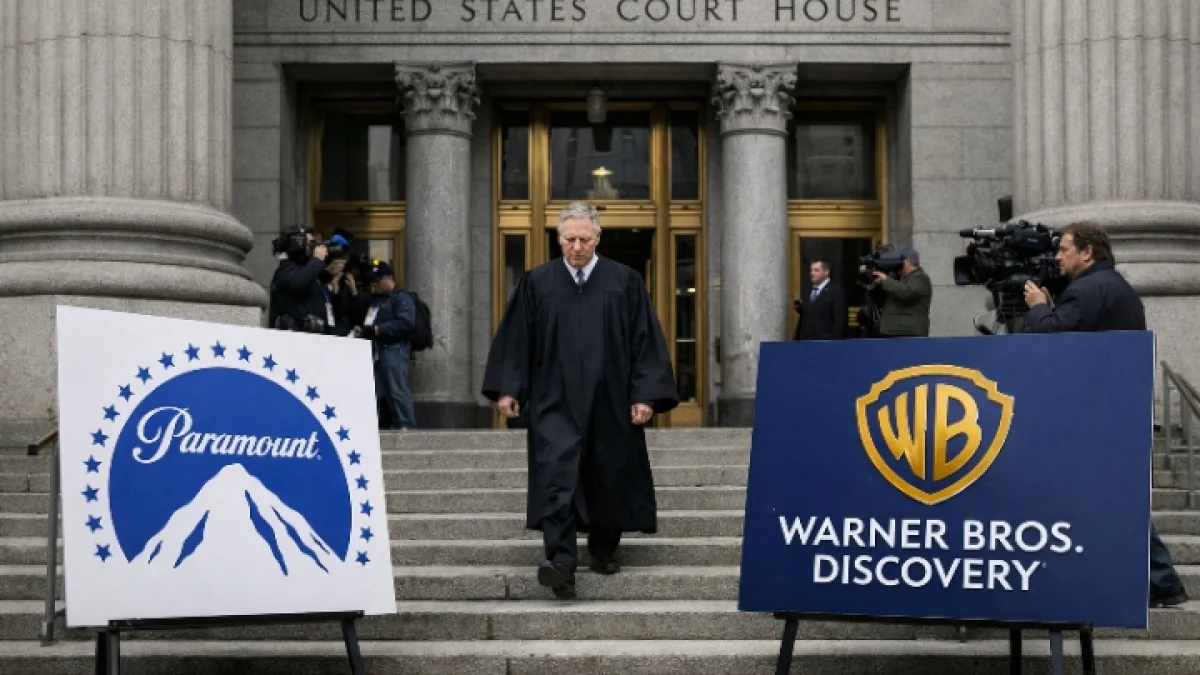
Yet the rise of streaming has eroded the value of that model. Cord-cutting has reduced linear television subscribers, pressuring traditional cable revenues, while content creators face high costs to compete with Netflix and other digital-native platforms. Industry consolidation has accelerated, as seen in Paramount's reported acquisition of Warner Bros. Discovery earlier in 2026.
By separating its businesses, Comcast aims to allow each to pursue distinct strategies. The connectivity-focused entity can invest in broadband infrastructure, 5G wireless, and business services with greater focus, potentially positioning it to compete more effectively against telecom giants. The standalone media company, led by incoming CEO Mike Cavanagh, gains flexibility to form partnerships, pursue acquisitions, or optimize content investments without the constraints of a distribution parent.
Comcast Chairman and co-CEO Brian Roberts cited "distinct" opportunities for the technology and media arms, each requiring tailored investment priorities. The move follows Comcast's earlier separation of certain cable networks into Versant Media earlier in 2026, indicating a broader strategic pivot.
Market reaction was positive, with Comcast shares rising around 4-7% on the announcement, and some peer stocks also gaining amid expectations of further sector activity. Analysts view the breakup as overdue, noting that the synergies once anticipated from bundling content and distribution have weakened in a streaming-dominated landscape.
The development reflects broader pressures on legacy media empires. Companies built on linear TV and bundled distribution face declining traditional revenues and the need for scale or specialization. A pure-play media entity may attract different investors and enable more agile responses to consumer shifts toward on-demand and global content.
Remaining uncertainties include the final terms of the separation, regulatory reviews, financing arrangements, and how the new entities will perform independently. Markets will monitor potential mergers or partnerships involving the spun-off media business, as well as execution on growth plans for both companies. Officials and regulators will track the transaction's impact on competition in media and telecommunications.
Comcast's breakup underscores a turning point: the era of large, integrated media-distribution conglomerates is giving way to more focused players better adapted to digital disruption. How the two resulting companies navigate this landscape will offer lessons for the industry.