Sweden's largest-ever antitrust damages award against Google, delivered just days before the European Union's highest court upheld a separate record €4.1 billion Android antitrust fine, marks another escalation in Europe's long-running campaign to curb the market power of major technology platforms. Together, the decisions reinforce that competition enforcement in Europe is increasingly extending beyond regulatory penalties to include substantial private damages claims, raising the legal and financial stakes for dominant digital companies.
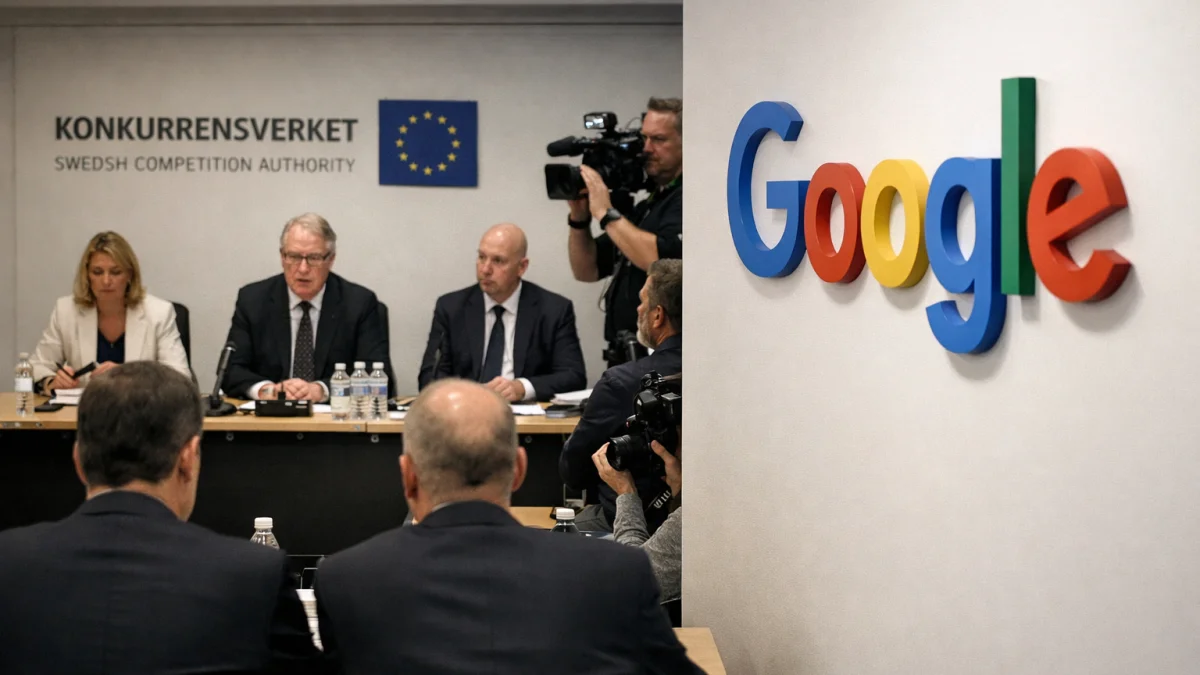
The Swedish ruling is significant not only because of its size but because it demonstrates how earlier findings by European regulators can serve as the foundation for follow-on litigation. A Stockholm court ordered Google to pay approximately $1.5 billion in damages to PriceRunner, the price-comparison service owned by Klarna, after concluding that Google's treatment of its own shopping comparison service harmed competitors. Although the award remains subject to appeal, it represents the largest competition damages judgment in Swedish legal history.
The judgment stems from one of the European Commission's landmark competition cases. In 2017, the Commission concluded that Google had illegally favored its own comparison-shopping service in search results while demoting rival platforms. That decision became a cornerstone of the EU's broader antitrust strategy toward large digital platforms and was subsequently upheld through the European court system. The Swedish damages case illustrates how regulatory findings can generate additional financial consequences years after the original enforcement action.
The timing has amplified the broader regulatory message. On July 2, the Court of Justice of the European Union dismissed Google's final appeal against the Commission's Android decision, confirming a €4.1 billion fine after nearly a decade of litigation. The court agreed that Google had abused its dominant market position by requiring manufacturers to pre-install Google Search and Chrome on Android devices and by imposing contractual restrictions that limited competing operating systems. The judgment closes one of the EU's most significant antitrust cases and leaves the reduced penalty, originally imposed at €4.34 billion in 2018, intact.
Taken together, the rulings demonstrate two complementary dimensions of European competition enforcement. Public authorities continue to impose administrative penalties intended to deter anti-competitive conduct, while private companies increasingly seek compensation for commercial losses they argue resulted from that conduct. Competition lawyers have long viewed follow-on damages actions as an important mechanism for strengthening enforcement because they increase the financial risks associated with anti-competitive behavior beyond regulatory fines alone.
The developments also arrive as the European Union implements the Digital Markets Act, which imposes ex ante obligations on designated "gatekeeper" platforms rather than relying solely on lengthy antitrust investigations after alleged violations occur. The Android and Shopping cases originated under traditional competition law, requiring years of investigation, appeals and judicial review. European policymakers argue that the DMA is designed to address similar concerns more quickly by establishing upfront obligations regarding interoperability, self-preferencing and business user access.
For Google, the legal setbacks add to a decade of sustained regulatory scrutiny across Europe. The company has accumulated roughly €11 billion in EU antitrust fines covering shopping search, Android and online advertising practices. Google has consistently maintained that Android increased consumer choice by providing an open-source operating system and has said it modified its business practices following the Commission's decisions. Following the Swedish judgment, the company said it disagreed with the ruling and was considering further legal options.
The broader implications extend beyond Google. Other major technology companies designated as gatekeepers under European law continue to face investigations into compliance with competition rules and the Digital Markets Act. The confirmed Android ruling and the Swedish damages award are likely to be closely examined by businesses considering similar compensation claims and by regulators assessing future enforcement strategies. Legal experts note that successful private lawsuits depend on the specific facts of each case, including proof of harm and causation, even where underlying regulatory violations have already been established.
Businesses operating digital platforms may also view the decisions as reinforcing Europe's willingness to combine traditional antitrust enforcement with newer regulatory tools. While the confirmed Android fine concludes one of the EU's longest-running competition disputes, the Swedish judgment illustrates that litigation arising from earlier findings can continue years after regulatory decisions become final. This creates a longer horizon of legal exposure for companies found to have violated competition rules.
The current position is therefore defined by two confirmed developments: Google's final legal challenge to the EU's record Android antitrust penalty has failed, and a Swedish court has awarded unprecedented damages to PriceRunner in a related but separate competition dispute. Google has indicated it disagrees with the Swedish decision and is evaluating an appeal, while European regulators continue monitoring compliance with both longstanding competition rulings and newer obligations under the Digital Markets Act.