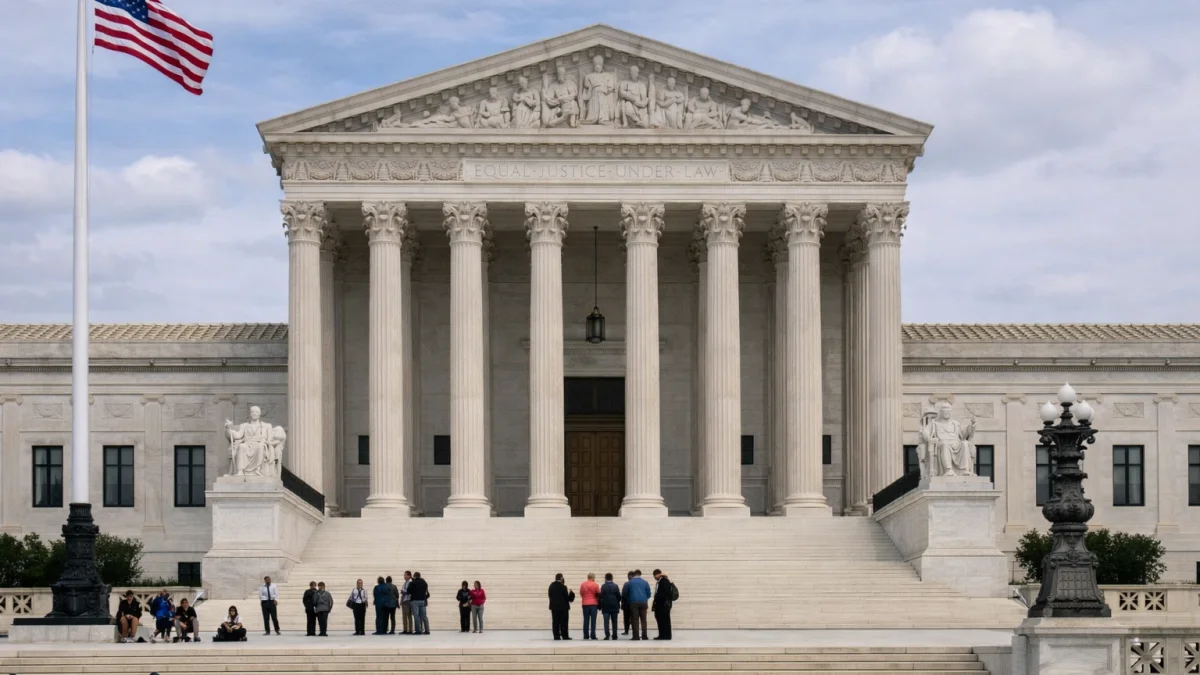
WASHINGTON — The U.S. Supreme Court has significantly expanded presidential authority over independent federal agencies, ruling that presidents may remove members of the Federal Trade Commission without cause and overturning a 91-year-old precedent that had allowed Congress to shield certain agency officials from at-will dismissal.
The 6-3 decision, issued on June 29, represents one of the court's most consequential rulings on executive power in decades. Chief Justice John Roberts, writing for the majority, said statutory protections preventing the president from removing FTC commissioners except for specified reasons violated the Constitution's separation of powers by restricting executive authority.
The case arose after President Donald Trump dismissed Democratic FTC Commissioner Rebecca Slaughter during his second term. Slaughter challenged the dismissal, relying on the court's 1935 decision in Humphrey's Executor v. United States, which had upheld congressional limits on the president's ability to remove FTC commissioners except for "inefficiency, neglect of duty, or malfeasance in office." The Supreme Court overruled that precedent.
Roberts wrote that officials exercising executive authority must remain accountable to the president, concluding that the Constitution does not permit Congress to insulate such officers from presidential removal. The majority said the FTC's modern responsibilities, including rulemaking, investigations and enforcement actions, are executive functions requiring presidential supervision.
The ruling is expected to strengthen White House control over numerous independent regulatory agencies whose leaders previously enjoyed statutory job protections. Legal analysts said the decision could affect agencies with similar structures, although the court emphasized that its ruling did not automatically extend to every federal body.
In a separate decision issued the same day, the court declined to allow the immediate removal of Federal Reserve Governor Lisa Cook, distinguishing the central bank from other independent agencies and preserving its longstanding institutional independence while related litigation continues.
The court's three liberal justices dissented. Justice Sonia Sotomayor argued that the ruling departed from decades of constitutional precedent and concentrated excessive authority in the presidency, warning that it weakened Congress's ability to establish independent regulatory bodies.
Trump welcomed the decision, describing it as a major affirmation of presidential authority. Critics, including legal scholars and advocacy groups, said the ruling could reduce the independence of agencies responsible for regulating competition, labor, consumer protection and other areas, while supporters argued it reinforces democratic accountability by placing executive officials under presidential control.