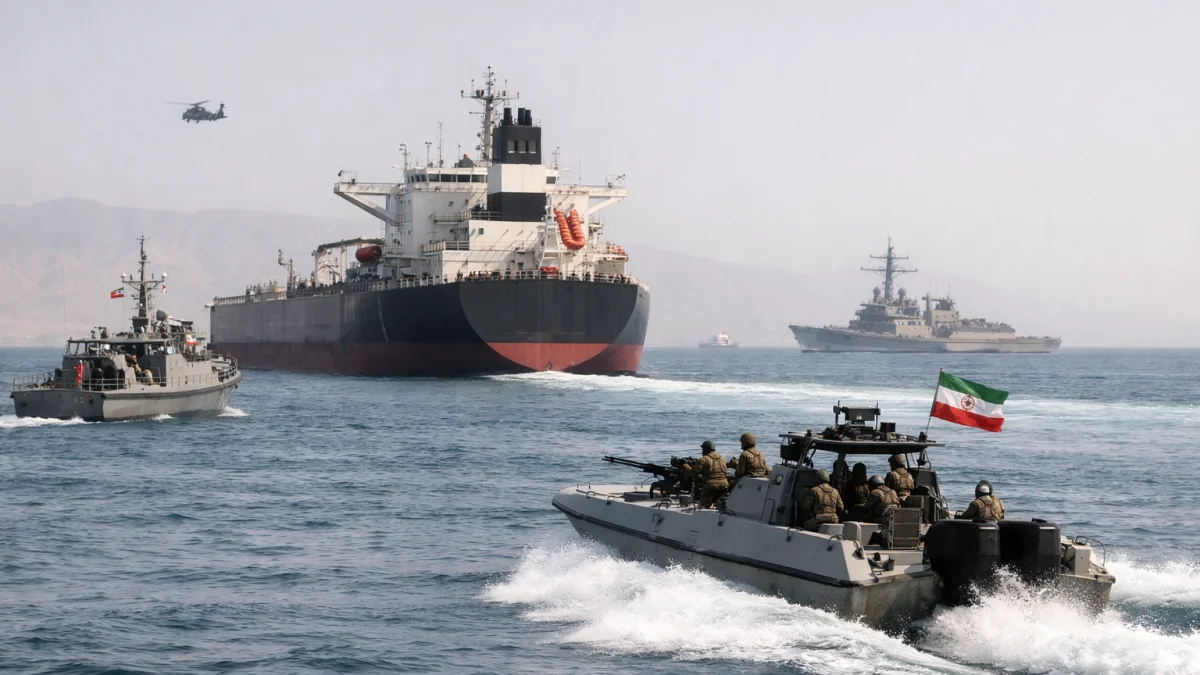
DUBAI — Shipping activity through the Strait of Hormuz remained disrupted on Wednesday as Iran continued to threaten restrictions on one of the world’s most important energy waterways, prompting caution among commercial operators and raising concerns over further disruption to oil and gas flows.
The International Maritime Organization (IMO) said the security situation in the strait had affected civilian shipping and seafarers, with the agency warning vessels and companies to exercise caution amid regional tensions. IMO Secretary-General Arsenio Dominguez said freedom of navigation must be respected and urged stakeholders to rely on verified information when making maritime decisions.
Iran has repeatedly warned that it could close the Strait of Hormuz in response to military and political developments involving the United States and its allies. Iranian officials have said such measures would be linked to security concerns, while governments opposing Tehran’s actions have accused Iran of threatening international navigation.
The waterway, located between Iran and Oman, is a critical route for global energy shipments, carrying a significant share of oil and liquefied natural gas exports from Gulf producers. Recent disruptions have reduced vessel movements, increased shipping risks and affected tanker operations, according to maritime industry assessments.
The European Union has said actions that restrict navigation through the strait undermine maritime security. The EU Council approved measures targeting individuals and entities it said were involved in actions threatening freedom of navigation, citing concerns over restrictions placed on vessels passing through the waterway.
Iran has rejected criticism of its maritime policies and has argued that its actions are tied to national security and regional threats. Tehran’s statements have been disputed by the United States and other governments, which have called for unrestricted commercial passage through the strait.
The disruption has also affected energy markets. Analysts have monitored the impact on oil prices and shipping costs as traders assess whether traffic through Hormuz can return to normal levels. Reuters reported that concerns over the strait’s disruption had previously contributed to higher energy market risks, while signs of improving access later eased some supply concerns.
The IMO said it was working with regional states and the maritime industry on measures related to the safety of seafarers and continuity of trade. The organization announced plans for the evacuation of thousands of seafarers affected by the regional crisis after conditions for safer navigation were assessed.
Shipping companies and governments are continuing to monitor the situation, with the latest confirmed developments centered on security conditions in the strait and efforts to maintain safe passage for commercial vessels.