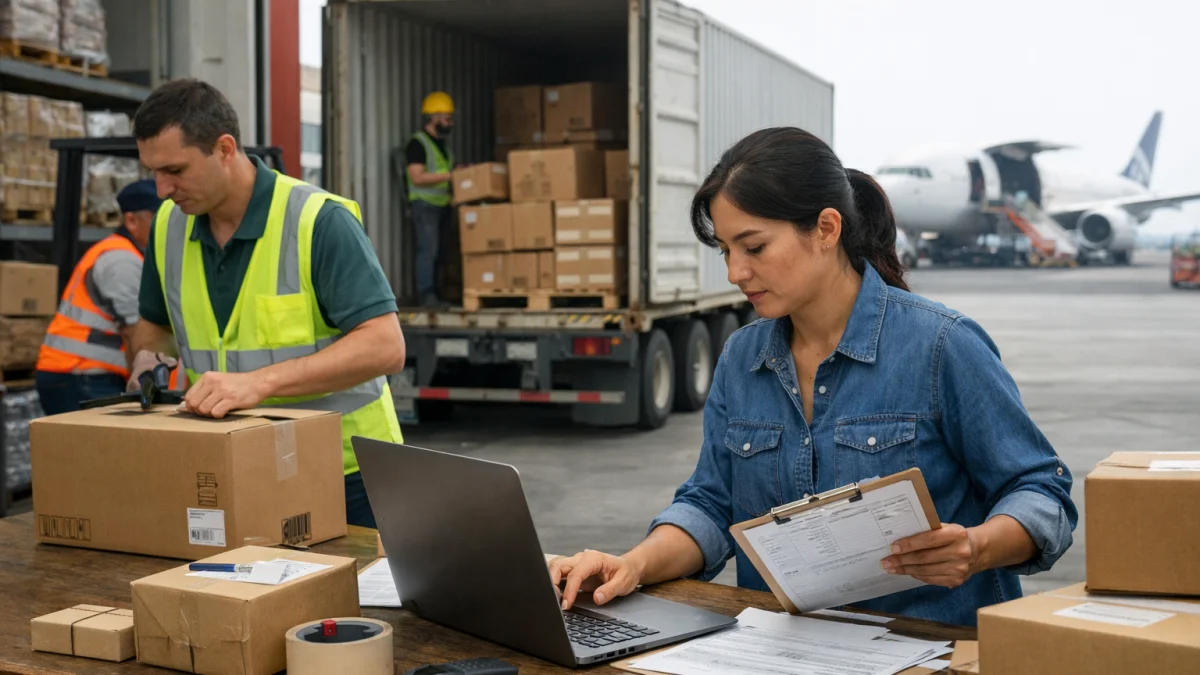
On a recent weekend in Jakarta, entrepreneurs gathered around product samples ranging from packaged foods to handcrafted home décor as trade officials explained a reality many small exporters now face: finding buyers overseas is no longer enough. Success increasingly depends on understanding customs requirements, certification standards, product labeling rules, and digital documentation that vary from one market to another.
For Indonesia's micro, small, and medium-sized enterprises (MSMEs), those regulatory changes have become part of everyday business. Companies seeking customers abroad are navigating stricter health and safety standards, evolving customs procedures, and new reporting requirements while competing in global markets that continue to offer opportunities despite growing complexity.
The challenge reflects a broader shift in international trade. Governments are tightening oversight of imports, particularly for products that affect consumer health, environmental standards, or product safety. At the same time, digital commerce has made it easier for smaller businesses to reach overseas buyers directly, creating new opportunities alongside new compliance obligations.
Indonesia's Ministry of Trade says helping MSMEs understand those requirements has become a central part of its export development strategy. Ari Satria, the ministry's Director of Export Development for Services and Creative Products, said regulations covering food, beverages, cosmetics, and pharmaceutical products are generally more demanding because they are directly linked to public health. Products such as furniture and handicrafts often face fewer technical requirements, although exporters must still meet destination-country rules.
Rather than viewing regulation solely as an obstacle, trade officials increasingly present compliance as a prerequisite for sustainable access to international markets. Export readiness now extends beyond manufacturing capacity to include documentation, certification, traceability, and familiarity with foreign regulatory systems.
That approach comes as Indonesia updates its own export governance.
Earlier this year, the Ministry of Trade issued Regulation No. 12 of 2026, introducing new mechanisms allowing authorities to suspend, freeze, or revoke export business permits under specified circumstances. Officials said the changes were designed to strengthen coordination among government agencies while providing electronic notification systems and procedures allowing exporters to restore permits where applicable. Transition provisions were also included to prevent unnecessary disruption to shipments already in progress.
For many businesses, adapting to new domestic procedures is occurring simultaneously with changes abroad.
In the European Union, new customs measures affecting low-value e-commerce shipments have added another layer of planning for exporters serving online consumers. Companies shipping relatively inexpensive goods must now account for revised customs treatment that alters landed costs and paperwork requirements. Logistics providers have advised exporters to review pricing, customs declarations, and shipping strategies to remain competitive under the updated rules.
Those developments are particularly significant for smaller companies that often depend on direct-to-consumer sales through online marketplaces rather than traditional wholesale distribution.
Industry surveys elsewhere in Asia-Pacific suggest many businesses are still preparing for the regulatory changes. A FedEx survey cited by Philippine media found that a substantial share of companies remained in the early stages of understanding new European Union customs requirements, with many expecting higher compliance costs and additional administrative work.
Even so, exporters continue searching for growth opportunities rather than withdrawing from overseas markets.
Trade specialists say preparation increasingly begins long before products leave Indonesian ports. Businesses are encouraged to study destination-country regulations during product development instead of after receiving export orders. Label design, packaging specifications, ingredient disclosures, testing certificates, and customs classifications have become commercial considerations alongside pricing and marketing.
Government support programs are expanding accordingly. Besides facilitating participation in overseas trade exhibitions and business matching events, the Ministry of Trade has emphasized technical assistance to help exporters satisfy destination-country regulations before shipments are dispatched. Officials argue that preventing compliance problems is less costly than resolving goods delayed at foreign borders.
The adjustments are occurring against a backdrop of broader changes in global supply chains. Buyers increasingly seek greater transparency regarding sourcing, sustainability, and production standards, while governments have strengthened oversight in sectors considered strategically or socially important.
For Indonesian businesses, especially first-time exporters, those expectations can require investments in documentation systems, certification processes, and employee training that were less essential only a few years ago.
Officials maintain that such investments can ultimately strengthen competitiveness.
As Indonesian products reach more international consumers through digital commerce, exporters capable of meeting multiple regulatory frameworks may find themselves better positioned to diversify across markets rather than relying on a single destination. That resilience has become increasingly valuable as trade rules evolve in different regions simultaneously.
The conversations taking place during export workshops now extend well beyond sales strategies. Entrepreneurs ask about customs codes, health certificates, digital reporting systems, and market-specific documentation with the same urgency once reserved for finding buyers.
For many of Indonesia's small exporters, overseas growth remains an achievable goal. But reaching international customers increasingly depends not only on producing goods people want to buy, but also on mastering the rules that govern how those products cross borders. As governments refine trade regulations and consumers demand higher standards, compliance has become as integral to exporting as the products themselves.