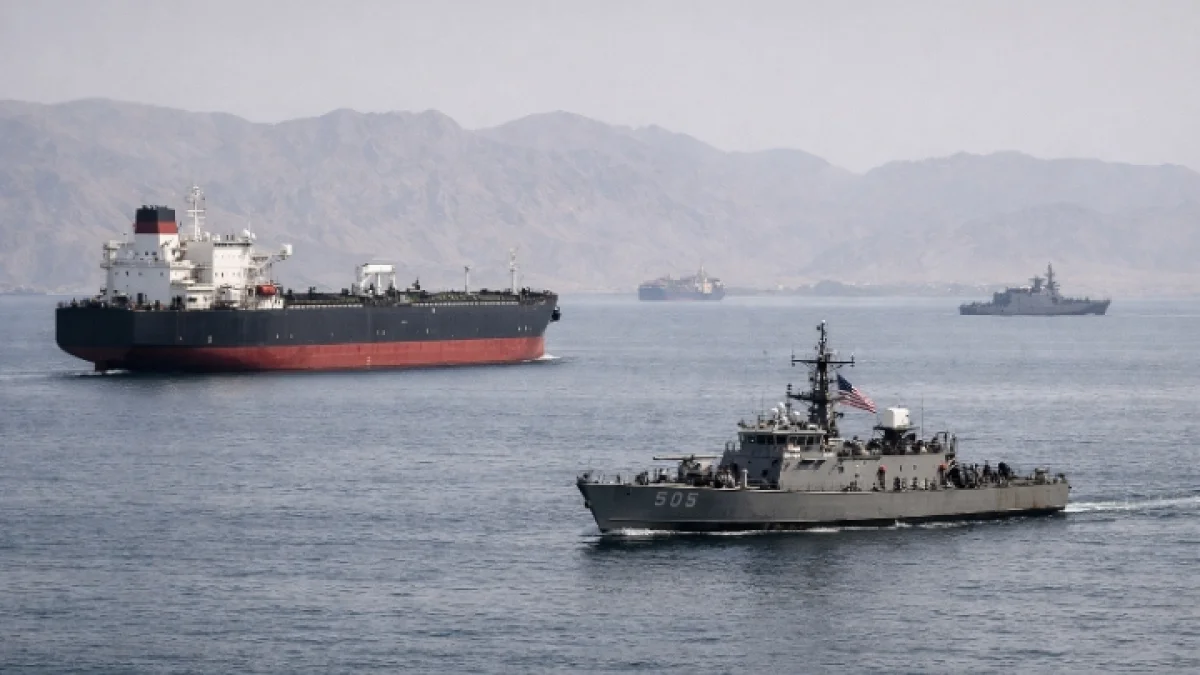
LONDON — Shipping traffic through the Strait of Hormuz remained well below normal on Monday as escalating U.S.-Iran hostilities and continued security risks prompted many commercial operators to limit transits through one of the world's most important energy corridors, according to shipping data and maritime industry sources.
Vessel-tracking data from analytics firm Kpler showed tanker movements through the narrow waterway have stayed subdued after renewed military action and attacks on commercial shipping heightened concerns over crew safety and insurance costs. Industry sources said some operators continued delaying voyages, rerouting cargo where possible or waiting for improved security conditions before entering the Gulf.
The Strait of Hormuz normally handles about one-fifth of global oil and liquefied natural gas shipments, making any sustained disruption a major concern for energy markets and supply chains. Analysts said reduced traffic has contributed to higher freight costs and increased uncertainty for crude exporters and importers across the Middle East and Asia.
Recent fighting between the United States and Iran has intensified after a ceasefire collapsed, with both sides reporting military operations linked to the strategic waterway. U.S. officials have said military action is intended to reduce threats to commercial shipping, while Iranian authorities have accused Washington of making navigation unsafe and have warned that regional energy exports could be disrupted if hostilities continue. Those competing claims could not be independently verified.
Shipping companies and maritime security advisers said many vessels have continued operating cautiously, with some switching off public Automatic Identification System (AIS) transmissions during parts of their voyages or adopting alternative routing practices to reduce exposure to potential attacks. The reduced visibility has made it more difficult to determine the full volume of commercial traffic moving through the strait.
Oil prices remained elevated as traders monitored developments in the Gulf, with concerns over the security of seaborne energy exports supporting crude benchmarks above recent levels. However, analysts noted that some oil exports have continued despite the slowdown, preventing a complete interruption of regional supplies.
Maritime security firms said commercial operators were expected to continue assessing risks on a voyage-by-voyage basis while monitoring military activity and official guidance. As of Monday, no official announcement indicated that shipping through the Strait of Hormuz had returned to normal levels.