MOSCOW — Russia's decision to suspend diesel exports has intensified concerns over tightening global fuel supplies, as damage to domestic refining infrastructure and rising shortages at home ripple through international energy markets.
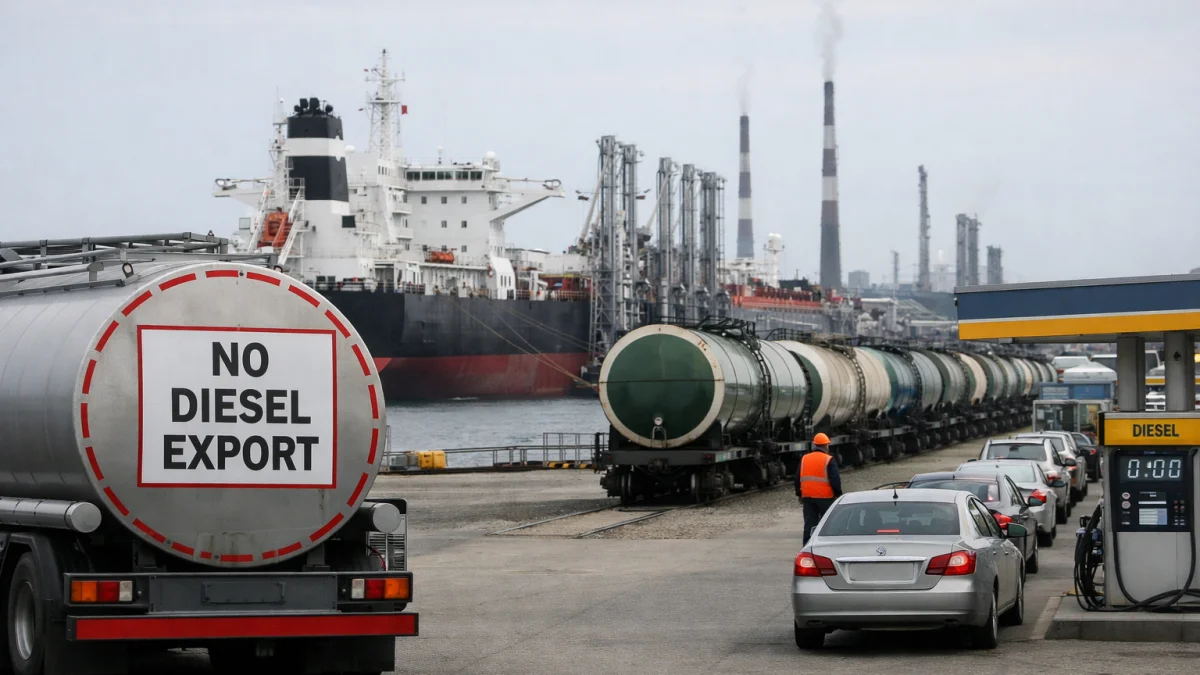
The export ban, introduced this week and scheduled to remain in force through July 31, is intended to redirect diesel supplies to the domestic market after repeated Ukrainian drone attacks disrupted refinery operations and contributed to fuel shortages and price increases across several Russian regions, according to Deputy Prime Minister Alexander Novak.
Speaking during a televised government meeting, Novak said the fuel situation remained difficult despite measures to stabilize supply. "Today, a ban on diesel fuel exports was introduced, and this will make it possible to increase supplies to the domestic market," he said. Russian authorities also said the country would begin importing certain petroleum products during July while seeking to maximize refinery output and adjust maintenance schedules.
The move comes as Ukraine has stepped up long-range strikes against Russian energy infrastructure, targeting refineries, storage facilities and fuel distribution networks. Moscow says the attacks have damaged several refineries and disrupted domestic fuel supplies, while Kyiv has said the facilities are legitimate military-related targets supporting Russia's war effort.
The diesel export suspension has added pressure to already strained global refined fuel markets. Analysts say diesel prices and refining margins have climbed sharply as buyers seek alternative supplies at a time when inventories remain relatively low and other disruptions have constrained fuel production.
According to the International Energy Agency, Russia's refined fuel exports have declined while crude exports have remained comparatively resilient, underscoring the growing impact of refinery outages rather than crude production losses. The agency also lowered its forecasts for Russian oil output in 2026 and 2027, citing continued disruptions linked to attacks on energy infrastructure.
Russia has been one of the world's largest diesel exporters, with key overseas buyers including Turkey and Brazil. Shipping data cited by Reuters showed seaborne diesel and gasoil exports had already fallen sharply in June before the latest restrictions took effect, reducing available supplies for international markets.
Market participants are closely monitoring whether the temporary export ban will be extended beyond July, while governments and refiners assess the potential impact on fuel availability during the Northern Hemisphere's peak summer demand period. Russian authorities have not announced any changes to the current end date for the restrictions.