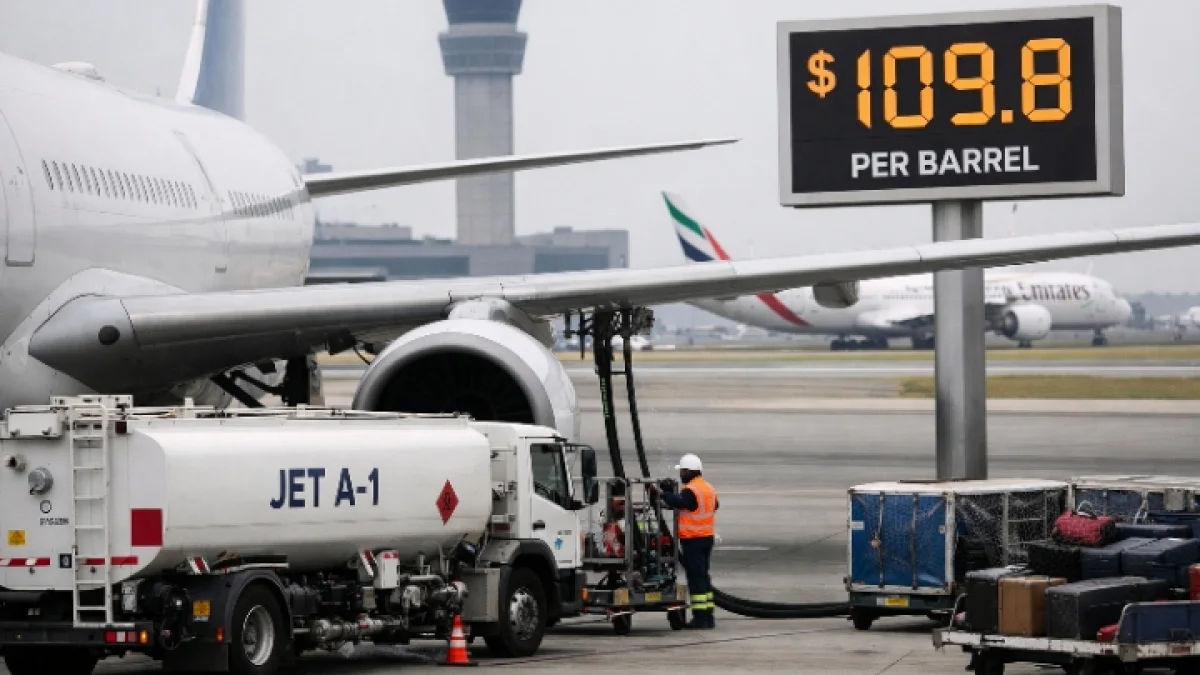
NEW YORK — Global gas prices rose on Sunday as renewed conflict in the Middle East increased concerns over energy supply disruptions, with traders monitoring developments around key shipping routes and regional production facilities. Market analysts said the escalation has pushed risk premiums higher across energy markets, while governments and companies assessed the potential impact on fuel costs and inflation.
The latest increase followed intensified military exchanges involving the United States, Iran and regional actors, including attacks affecting Gulf states and renewed uncertainty over traffic through the Strait of Hormuz, a major route for global energy shipments. The United States has said it remains committed to maintaining freedom of navigation, while Iran has asserted greater control over movements through the waterway.
Oil markets have responded sharply to the heightened tensions, with benchmark crude prices climbing as investors evaluated the possibility of further supply interruptions. Brent crude rose above $76 a barrel earlier in the week after renewed hostilities threatened to undermine a fragile period of reduced fighting, according to market reports.
Energy prices have also reflected broader concerns about natural gas supplies. The Central Bank of Ireland said in a recent economic assessment that oil and gas markets were among the commodities affected by the Middle East conflict, citing the region’s importance to global energy production and liquefied natural gas supplies.
Analysts said price movements remain heavily dependent on whether disruptions to production, exports or shipping become prolonged. Some market participants have pointed to the possibility of prices easing if diplomatic efforts reduce tensions and shipping conditions improve. Oil prices briefly declined as investors assessed prospects for renewed negotiations between the United States and Iran.
Governments in energy-importing countries have monitored the situation closely because higher fuel costs can increase transportation expenses and add pressure to inflation. Central banks have warned in previous energy shocks that sustained increases in fuel prices can affect consumer prices and economic growth.
The conflict’s effect on energy markets remains uncertain as diplomatic efforts continue and military activity persists. Officials have not announced any confirmed long-term shutdown of major energy routes, but traders continue to watch developments in the Gulf and statements from governments involved in the crisis.