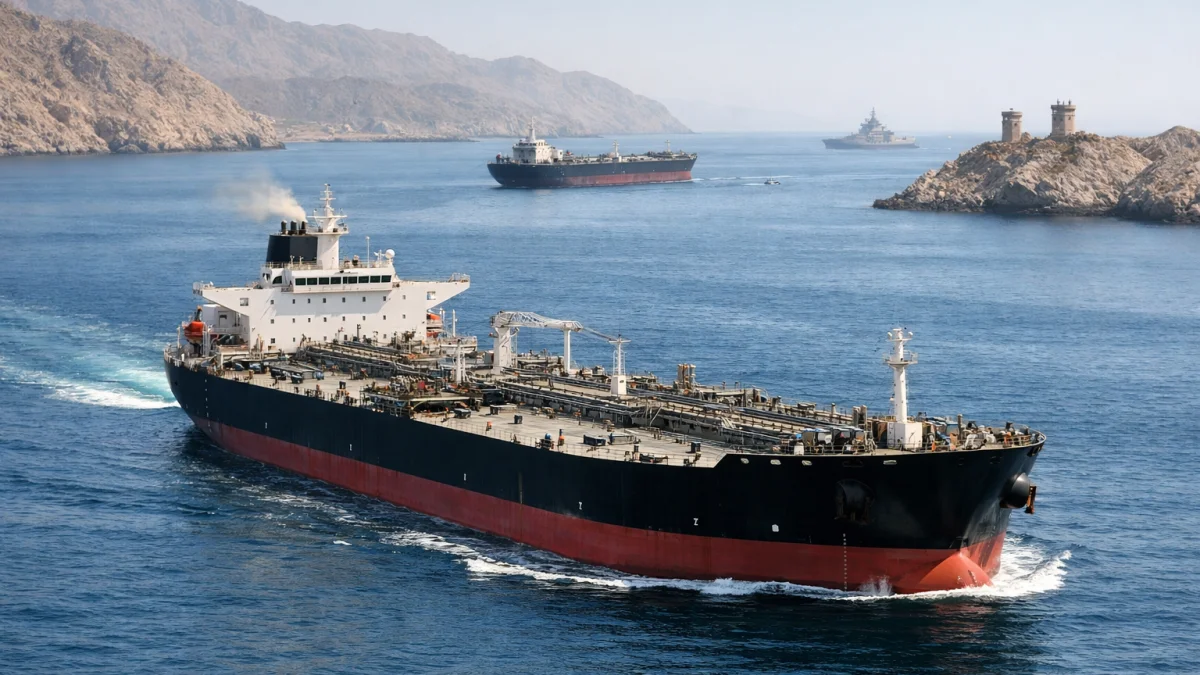
LONDON — Oil tankers resumed transits through the Strait of Hormuz this week as tensions in the Gulf eased, helping restore one of the world's most important energy shipping routes and reducing concerns about disruptions to global crude supplies, according to maritime tracking data, government officials and industry sources.
The Strait of Hormuz, which carries a significant share of globally traded oil, had experienced months of disruption amid conflict involving Iran and the United States. Shipping activity began recovering after diplomatic agreements aimed at reopening the waterway and restoring commercial traffic took effect earlier in June, according to ship-tracking data and industry reports.
U.S. Energy Secretary Chris Wright said on Wednesday that oil flows through the strait had returned to levels close to normal. “About 20 million barrels” of crude moved through the waterway during the previous 24 hours, Wright said, while noting that some demining work and security measures were still required before operations fully normalized.
Maritime tracking data showed that several large crude carriers, including Saudi-flagged supertankers, transited the strait after earlier delays. Ships that had remained stranded in Gulf waters during the disruption also began moving, according to vessel-tracking firms and shipping industry reports.
Shipping organizations said vessel owners and insurers remained cautious despite the improvement. Industry groups cited continuing concerns over navigation safety, mine-clearance efforts and long-term security arrangements in the narrow waterway. The Lloyd's Market Association said stability and certainty remained essential for a sustained recovery in shipping activity.
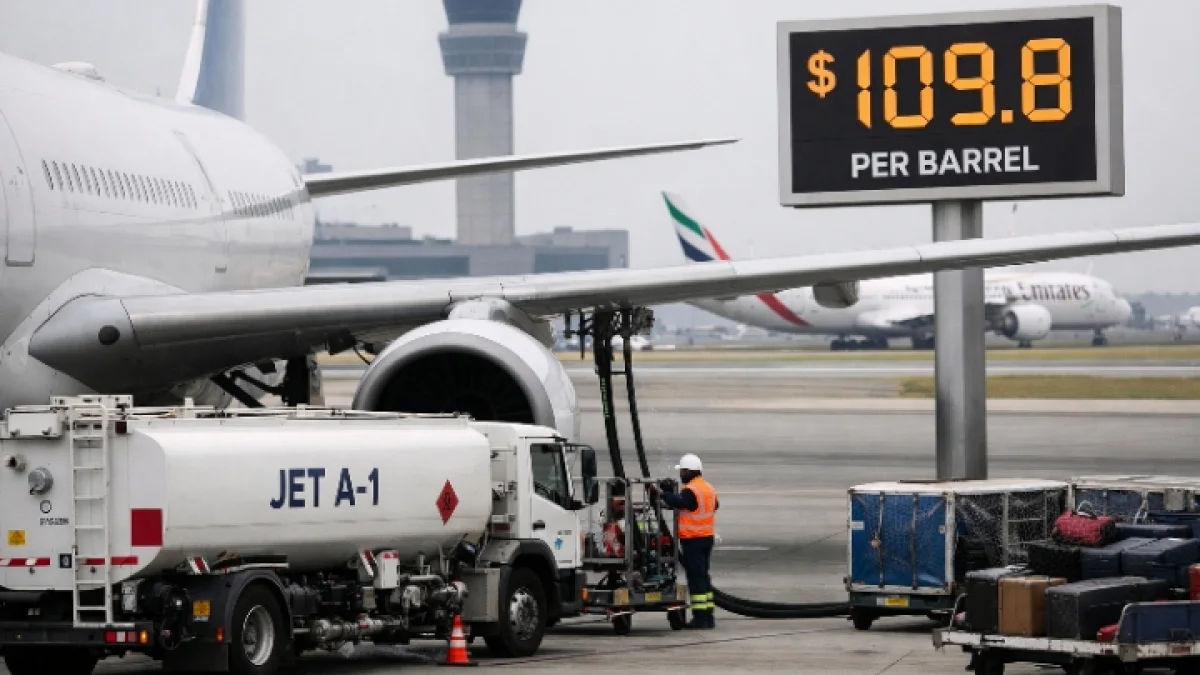
The resumption of tanker traffic contributed to a decline in oil prices, which had risen sharply during the earlier disruption. Market participants said renewed Gulf exports and reduced fears of supply shortages helped ease pressure on energy markets. Brent crude prices fell to levels seen before the escalation of the conflict, according to market data and analysts.
Governments and maritime authorities have continued monitoring conditions in the region. Some vessels are still using alternative routes and enhanced security procedures while transiting the strait, officials and industry sources said.
As of Thursday, tanker traffic through the Strait of Hormuz was continuing and oil exports from Gulf producers were increasing, although some shipping groups said a complete return to pre-disruption operating patterns could take additional time.