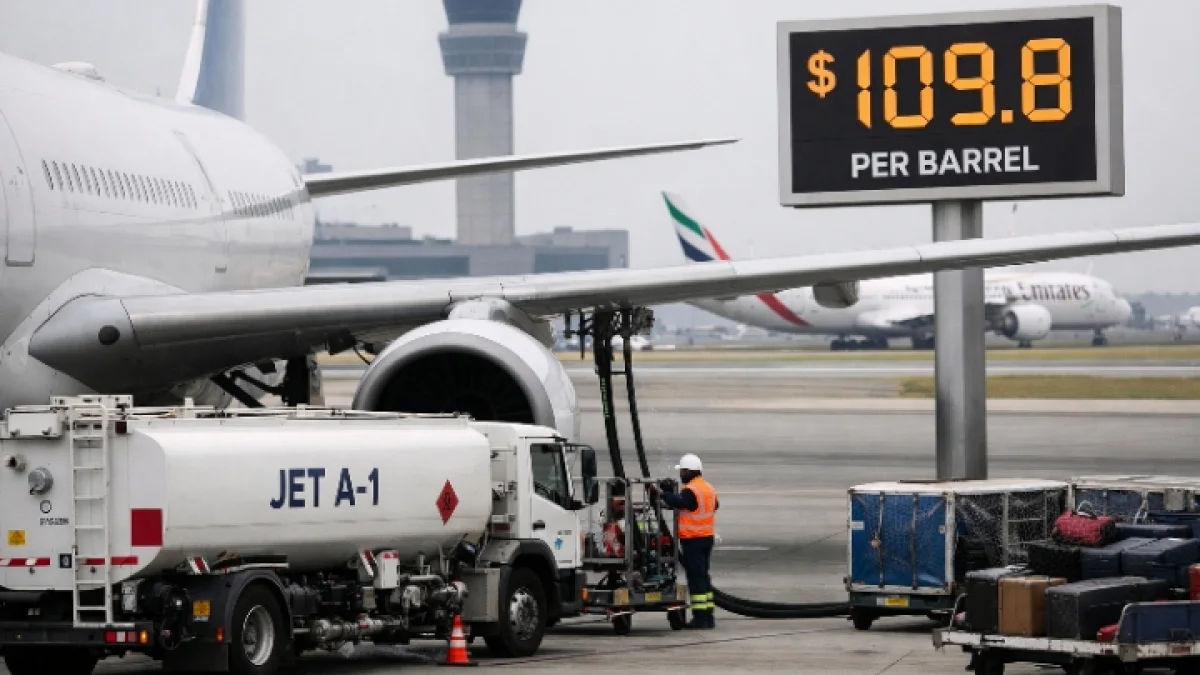
SINGAPORE — Oil prices extended gains on Wednesday as escalating tensions between the United States and Iran heightened concerns over crude shipments through the Strait of Hormuz, a critical maritime route for global energy supplies.
Brent crude and U.S. West Texas Intermediate futures remained elevated after posting their biggest daily gains in years earlier this week, with investors pricing in the risk of disruptions to oil flows through the Gulf. Reuters reported Brent trading above $85 a barrel while WTI approached $80 after the latest escalation between Washington and Tehran.
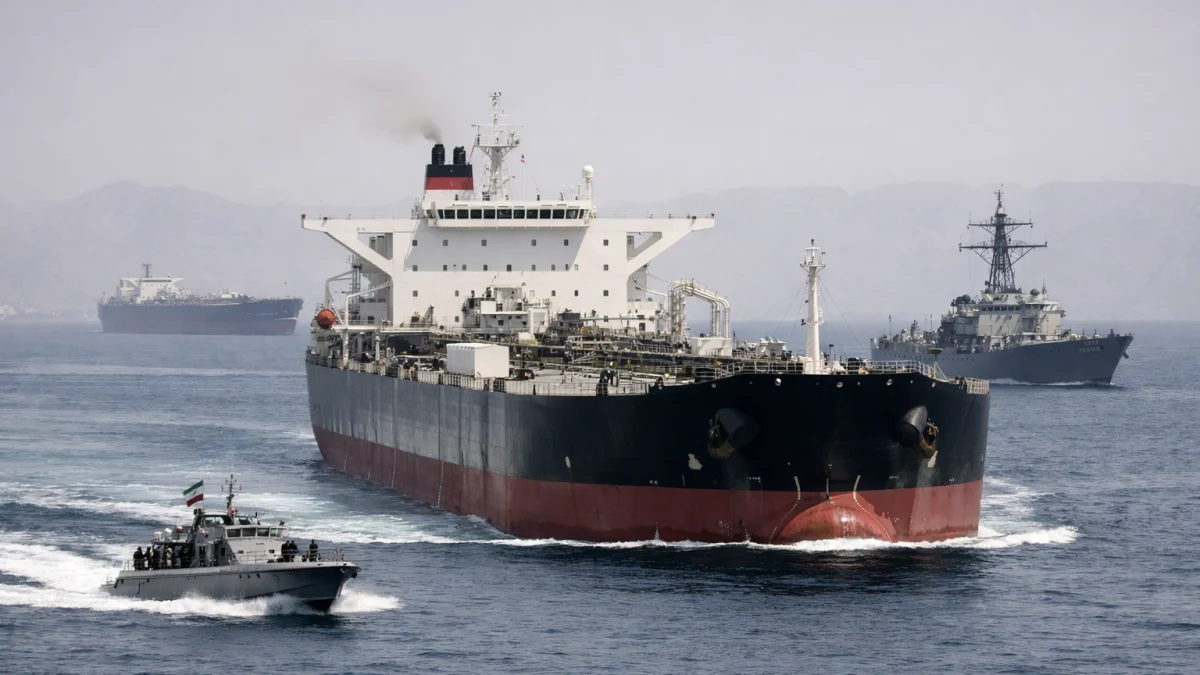
The latest rise followed renewed U.S. military operations against Iran and the reinstatement of a U.S. naval blockade targeting Iranian shipping, while Iran continued actions against commercial vessels in and around the Strait of Hormuz, according to Reuters and other official reporting. The developments have increased uncertainty over tanker traffic through the waterway, which normally carries about one-fifth of global oil supplies.
Shipping activity through the strait has slowed sharply, according to industry sources cited by Reuters, prompting refiners and traders to assess alternative crude supplies from other producing regions. Spot crude prices in the Middle East and refining margins for several petroleum products have also strengthened amid concerns over near-term supply availability.
Analysts said the market was adding a geopolitical risk premium as uncertainty surrounding maritime security persisted. However, they cautioned that future price movements would depend on whether any sustained disruption to physical oil exports materializes rather than on military developments alone.
Authorities have not indicated that commercial energy exports through the Strait of Hormuz have ceased entirely, and the security situation in the region remains fluid. Further official updates are expected as developments continue.