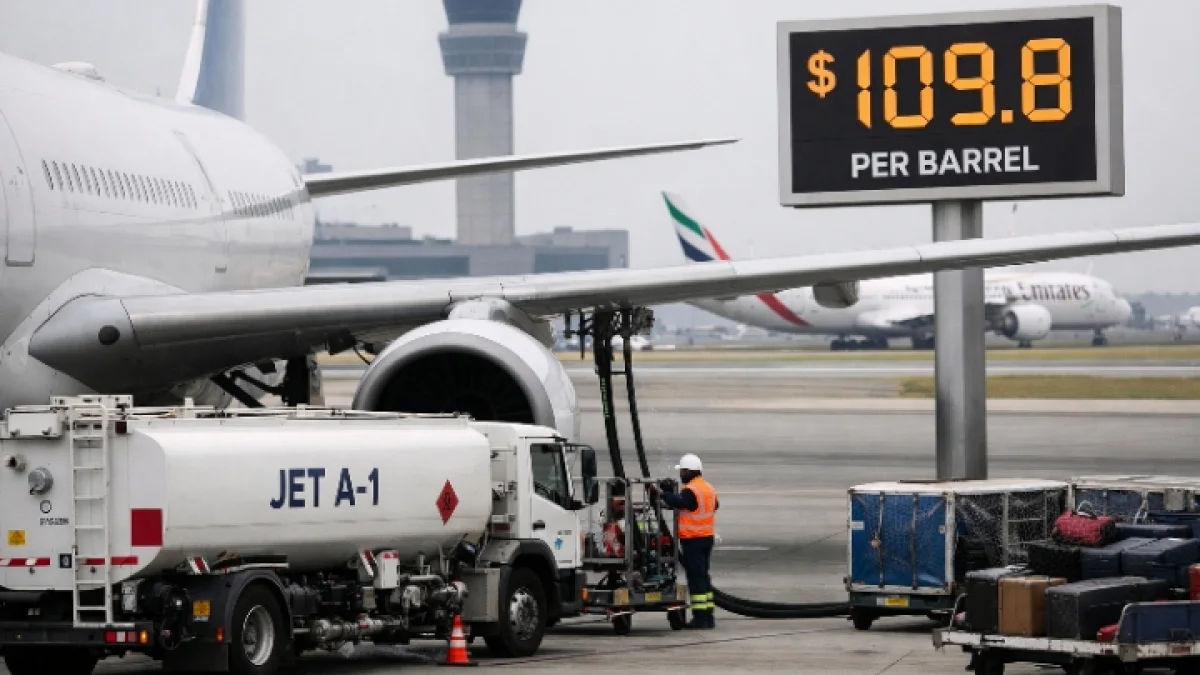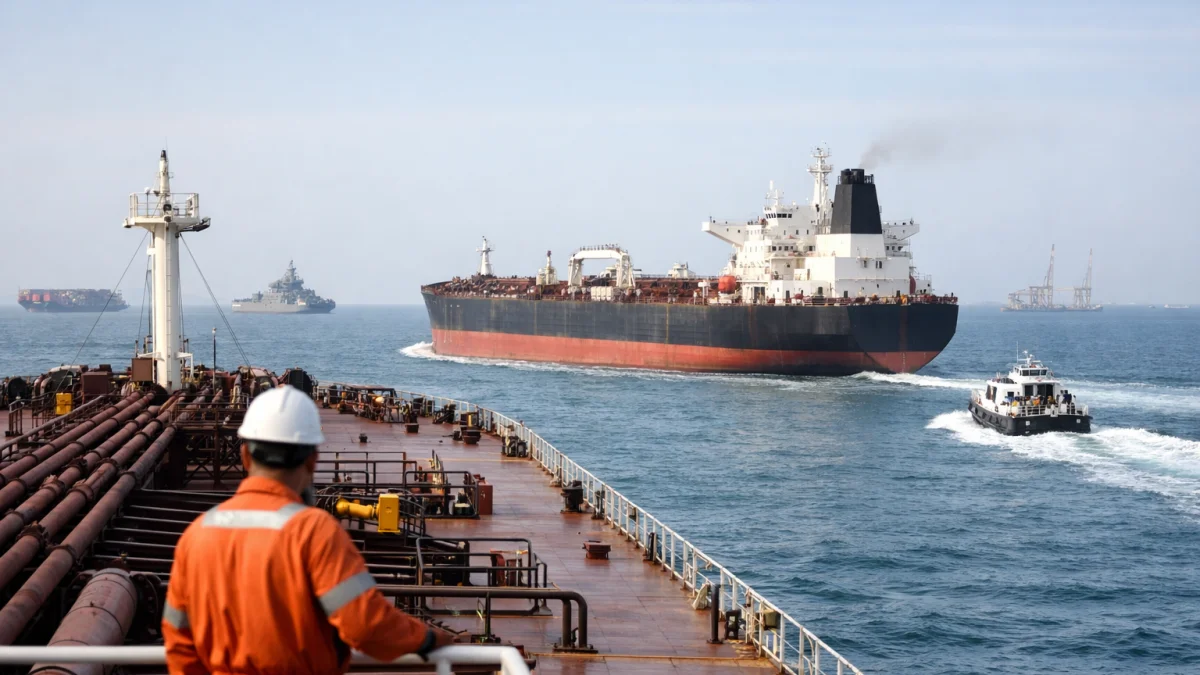
LONDON — Oil prices fell back to levels seen before the Iran conflict as shipping traffic through the Strait of Hormuz gradually resumed following a U.S.-Iran agreement to end hostilities.
Global benchmark Brent crude briefly dropped below $72.48 a barrel on Thursday, matching the price recorded the day before U.S. and Israeli strikes on Iran began on Feb. 28, before settling around $73, according to market reports. West Texas Intermediate crude followed a similar path.
The decline came amid signs of increasing vessel movements through the strategic waterway, which carries about one-fifth of global oil trade. Shipping companies have begun resuming operations after the strait was effectively closed since late February due to the conflict.
A memorandum of understanding between the United States and Iran, announced in mid-June, called for reopening the strait to commercial shipping. Traffic has increased in recent days, though full normalization is expected to take weeks or longer.
“Signs that traffic through the key Strait of Hormuz shipping route is gradually resuming has helped to push the oil price down,” a BBC report noted on Thursday.
During the conflict, Brent crude surged above $100 a barrel and reached peaks near $126 amid supply fears. The price increases contributed to higher energy costs worldwide before easing with the peace efforts.
Analysts have cautioned that while initial shipments have restarted, restoring pre-conflict production and export volumes could require additional time due to infrastructure damage, insurance issues and logistical challenges. Some Gulf producers redirected limited volumes through alternative routes during the disruption.
The International Energy Agency and other observers described the strait closure as one of the largest supply disruptions in history. Gas prices in the United States also declined in recent weeks, falling below $4 a gallon in many areas from earlier highs.
As of Thursday, oil markets remained focused on the pace of resumption. Industry officials indicated that while the agreement has eased immediate pressures, risks such as potential renewed tensions or physical hazards in the waterway could affect long-term stability. Details on exact daily throughput volumes remained under monitoring by traders and energy agencies.