LONDON — Oil prices eased on Friday as shipping traffic through the Strait of Hormuz continued to normalize, reducing concerns over supply disruptions that had driven prices sharply higher during months of conflict in the Gulf.
Brent crude and U.S. West Texas Intermediate futures traded near levels seen before the Iran conflict intensified earlier this year, as traders unwound much of the geopolitical risk premium that had accumulated during disruptions to one of the world's most important oil transit routes. Analysts said improving tanker movements through the strait shifted market attention back toward underlying supply and demand fundamentals.
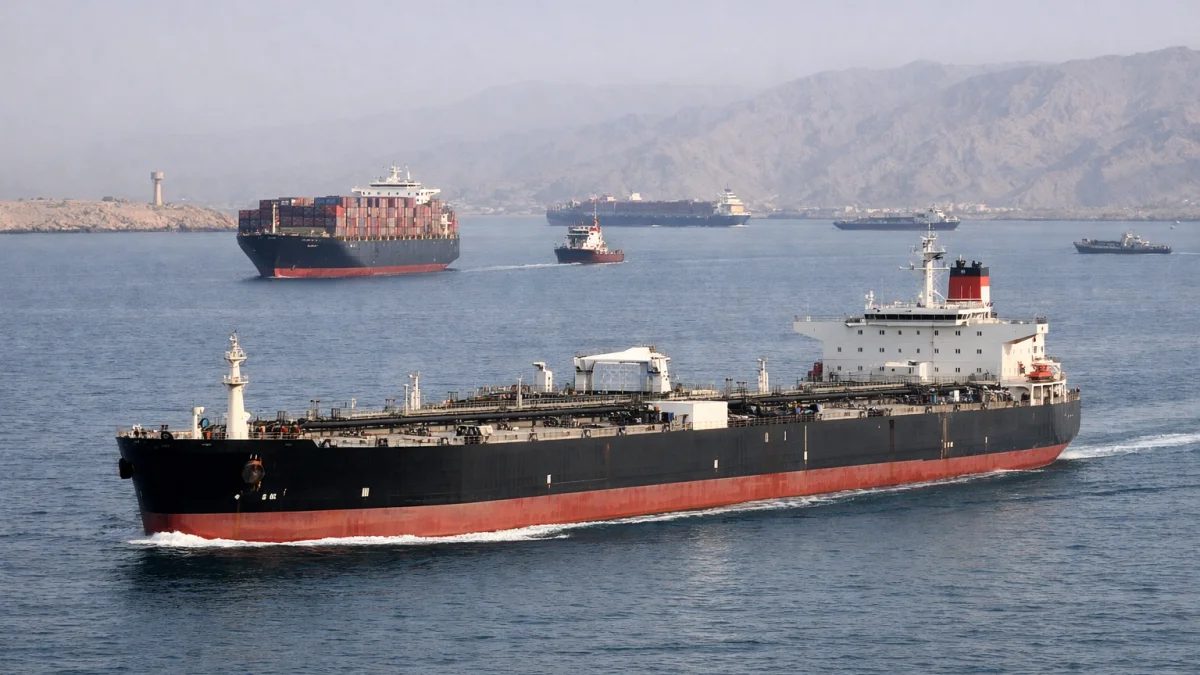
The Strait of Hormuz, which normally carries about one-fifth of global oil supply, experienced severe disruptions following fighting that began earlier this year, sending Brent crude above $120 a barrel at its peak. Since an interim diplomatic agreement reduced hostilities, oil exports from Gulf producers have gradually recovered and tanker traffic has increased, although some logistical constraints and elevated insurance costs remain.
Ship-tracking data monitored by Kpler showed vessel movements through the waterway had stabilized in recent days, while analysts cautioned that cargo volumes were still recovering from earlier backlogs. Empty tankers returning to Gulf loading terminals also indicated expectations of stronger export activity in the coming weeks.
A Reuters survey of economists published earlier this week showed analysts lowered their average oil price forecasts for 2026 for the first time in five months, citing the reopening of Hormuz and easing fears of prolonged supply shortages. The survey projected Brent crude would average $84.50 per barrel this year, down from the previous month's forecast, while expectations for U.S. crude prices were also revised lower.
Market participants said attention was increasingly returning to broader fundamentals, including production policy by OPEC+ and signs of slower demand growth, particularly in China. Analysts noted that while geopolitical risks had diminished, the region remained vulnerable to renewed disruptions and shipping conditions had not fully returned to pre-conflict norms.
Several banks have said a complete normalization of Gulf oil exports could still take months, even as physical flows improve, because producers must restore output and shipping companies remain cautious about operating in the region. Freight markets and insurance premiums also continue to reflect residual security concerns despite the recovery in traffic.
By Friday, traders said the market was increasingly pricing oil on expectations of recovering supply rather than immediate fears of disruption, with developments in Hormuz continuing to be closely monitored for signs of further stabilization.