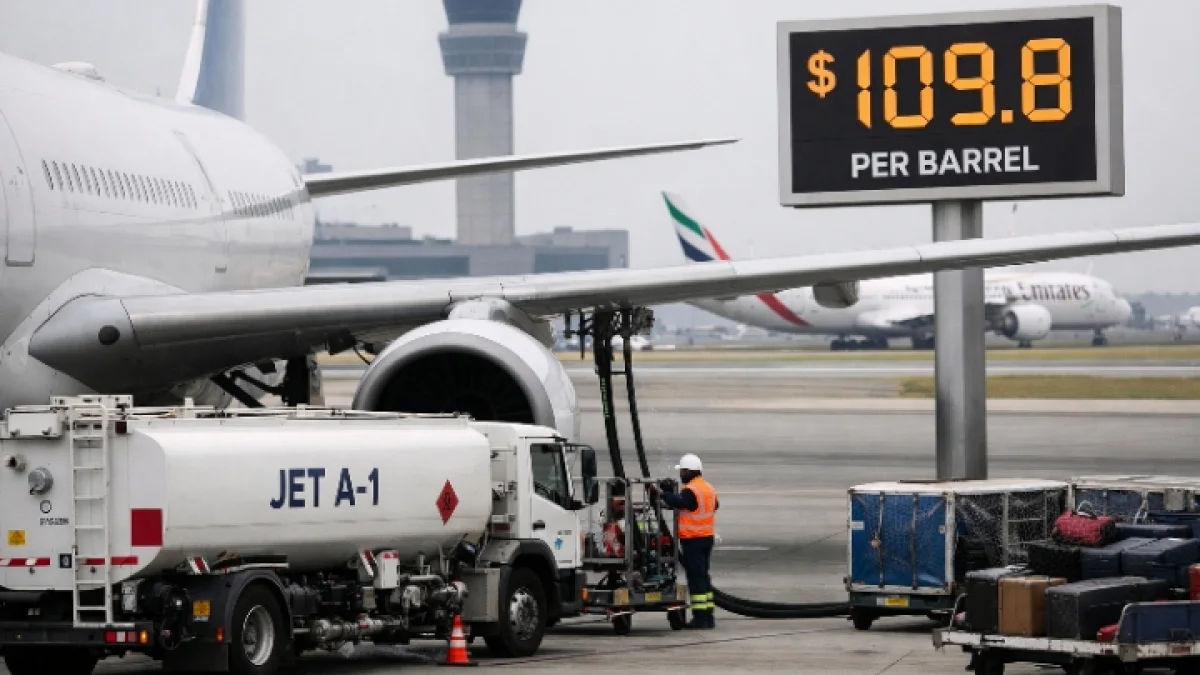
LONDON — Oil prices dropped further on Friday amid easing concerns over disruptions in the Strait of Hormuz and expectations of improved global supply following recent tensions in the region, traders and analysts said.
West Texas Intermediate crude fell to around $70 per barrel or below in recent sessions, while Brent crude traded near $73, according to market reports. The declines came as tanker traffic began resuming through the Strait of Hormuz after months of restrictions linked to the U.S.-Iran conflict.
Tensions in the Strait of Hormuz had intensified earlier in the year following U.S. and Israeli strikes on Iran in late February 2026, which prompted Iranian responses including attacks on vessels and effective restrictions on shipping through the critical waterway. The strait, through which about one-fifth of global oil flows, saw significantly reduced traffic for months.
Recent developments, including an interim agreement and renewed tanker movements, have contributed to the price slide as markets price in a potential normalization of flows. Oil prices had previously risen sharply during the height of disruptions but have reversed course in June.
“Crude’s slide is entirely sentiment-driven,” an analyst told Al Jazeera this month, noting that the market was front-running the prospective reopening.
Global supply concerns had been heightened by the conflict, which disrupted Iranian oil exports and broader Gulf shipping. However, reports indicated that tankers previously stranded in the Persian Gulf began exiting the strait in recent days, easing some immediate fears.
Analysts have pointed to ample U.S. inventories and other non-OPEC+ supply as additional factors supporting the downward pressure on prices. The International Energy Agency had earlier noted demand impacts from higher prices during the disruptions.
The price movements come against the backdrop of ongoing diplomatic efforts between the U.S. and Iran. Mediators have been involved in talks aimed at stabilizing the region, though details on a full resolution remain subject to negotiations.
As of Friday, Brent crude had fallen to its lowest levels since before the escalation of the conflict in some reports, though prices remained volatile. Oil companies saw corresponding movements in their shares.
Market participants continue to monitor developments in the Middle East for any signs of renewed restrictions. Shipping data showed gradual increases in traffic, but full restoration of pre-conflict volumes has not yet been confirmed.
Officials from involved parties have offered differing assessments of the situation in the strait, underscoring the fragile nature of the current calm. No immediate comments were available from major producers on production adjustments in response to the price changes.