SINGAPORE — Oil prices struggled to extend their recovery on Tuesday as damage and uncertainty surrounding energy infrastructure and shipping routes linked to the Iran conflict continued to weigh on expectations for a full return of crude flows through the Strait of Hormuz, one of the world’s most important oil transit corridors.
Brent crude prices had recently recovered from earlier losses as tanker traffic through the Strait of Hormuz improved, but traders remained cautious after renewed military tensions highlighted the risks facing regional exports. Reuters reported that Brent rose above $73 a barrel and U.S. West Texas Intermediate climbed above $70 after renewed U.S.-Iran strikes, while markets continued to assess whether shipping activity could normalize.
The International Maritime Organization (IMO) said the conflict had significantly disrupted commercial shipping in and around the strait. The agency said it had verified dozens of attacks on international shipping since the conflict began and warned that restoring safe navigation would require continued coordination among governments, maritime operators and regional authorities.
The Strait of Hormuz disruption has affected vessels carrying oil, gas and other commodities from Gulf producers. Before the conflict, the waterway handled a major share of global energy shipments, with the IMO reporting that vessel movements through the corridor had fallen sharply during periods of heightened insecurity.
Efforts to restore maritime activity have progressed unevenly. The IMO launched an evacuation operation for stranded seafarers and said hundreds of vessels and thousands of crew members had been affected by the disruption. The agency later paused the operation after a separate vessel attack in the Gulf of Oman, citing the need to reassess safety conditions.
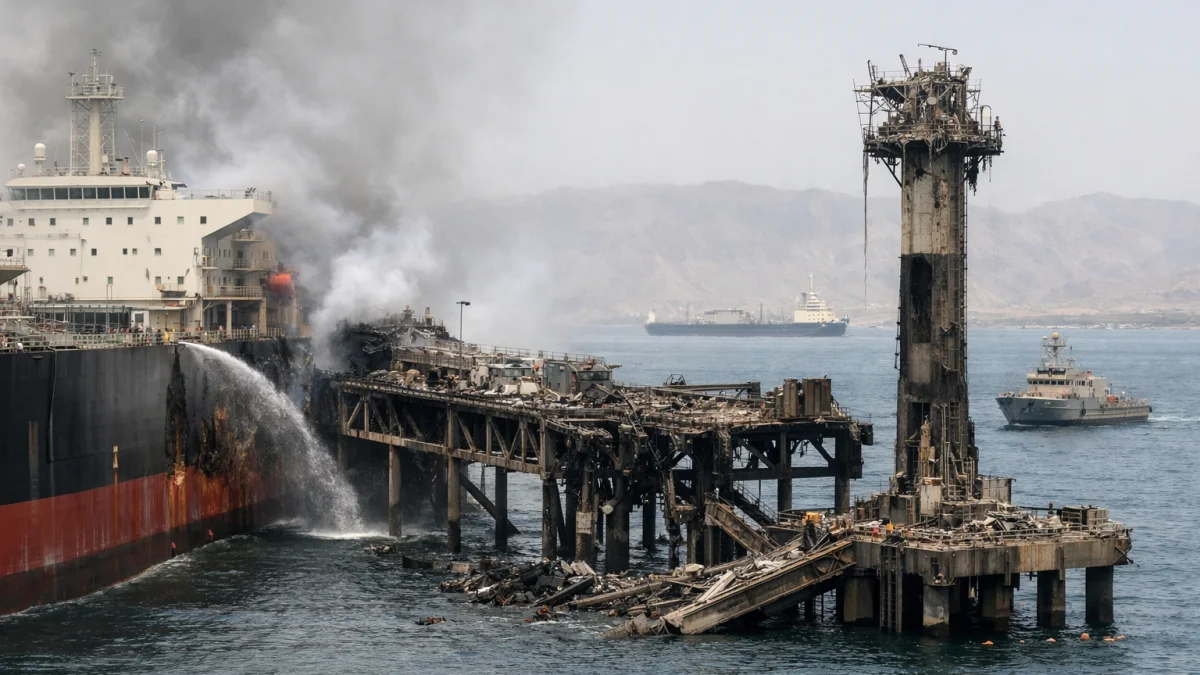
Energy markets have also been watching the condition of regional infrastructure and export capacity. Analysts have pointed to ongoing operational risks, including insurance constraints, security concerns and uncertainty over whether damaged facilities and shipping systems can quickly return to normal levels. Reuters reported that oil shipments had recovered from their lowest levels but that a complete recovery remained uncertain while maritime risks persisted.
Governments and industry groups have continued to call for safe passage and protection of commercial shipping. IMO Secretary-General Arsenio Dominguez said the organization remained focused on maritime safety and the continuity of global trade while working with regional partners.
As of Tuesday, oil markets were still balancing improving shipment flows against unresolved security concerns in the Gulf, with traders monitoring official updates on navigation conditions and the restoration of energy infrastructure.