SEOUL — The world’s leading memory chip manufacturers are accelerating production and expanding manufacturing capacity as demand for artificial intelligence hardware continues to outpace supply, driving record profits, higher chip prices and a new wave of investment across the semiconductor industry.
Samsung Electronics, SK Hynix and Micron Technology have all announced or advanced plans in recent months to increase output of advanced memory products, particularly high-bandwidth memory (HBM) and premium DRAM chips used in AI servers, as cloud providers and technology companies expand data center infrastructure to support increasingly sophisticated AI systems.
Samsung is expected to report another record quarterly operating profit for the April-to-June period, with analysts surveyed by LSEG forecasting an 18-fold increase from a year earlier. The improvement has been driven largely by strong demand for AI memory chips, which has tightened global supply and pushed memory prices sharply higher.
Industry analysts said demand for AI applications has shifted memory from a traditionally cyclical business into one facing persistent supply constraints, as hyperscale cloud operators race to deploy AI infrastructure. Average prices for DRAM and NAND memory have climbed significantly this year, reflecting shortages across multiple product categories.
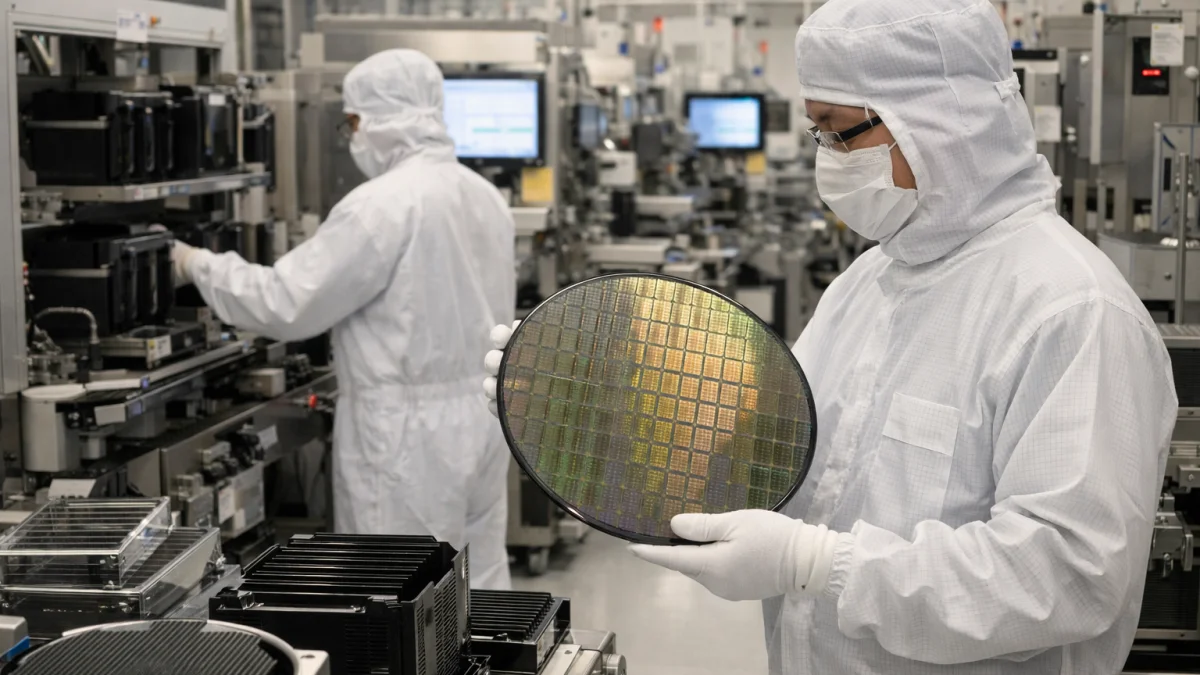
To address the imbalance, Samsung and SK Hynix are committing substantial capital to expand manufacturing capacity in South Korea, while Micron has continued increasing production of advanced memory products and reported strong customer commitments for future supply. Reuters reported last month that Micron said customers had committed billions of dollars under long-term supply agreements, underscoring expectations that AI-related demand will remain robust.
SK Hynix last week unveiled plans to invest about 100 trillion won ($64 billion) in new memory chip facilities as part of a broader expansion strategy intended to increase production over the coming years. The company is also pursuing a U.S. listing to raise additional capital for manufacturing investments and advanced equipment.
Executives and analysts have cautioned, however, that expanding fabrication capacity requires years of construction and equipment installation, meaning supply is likely to remain constrained in the near term despite aggressive investment plans. They also note that the industry's outlook remains closely tied to continued spending on AI infrastructure by major technology companies.
Investors have largely welcomed the sector's expansion plans, with semiconductor shares remaining among the strongest performers in global equity markets this year as expectations for sustained AI-driven demand continue to support earnings across the memory chip industry.