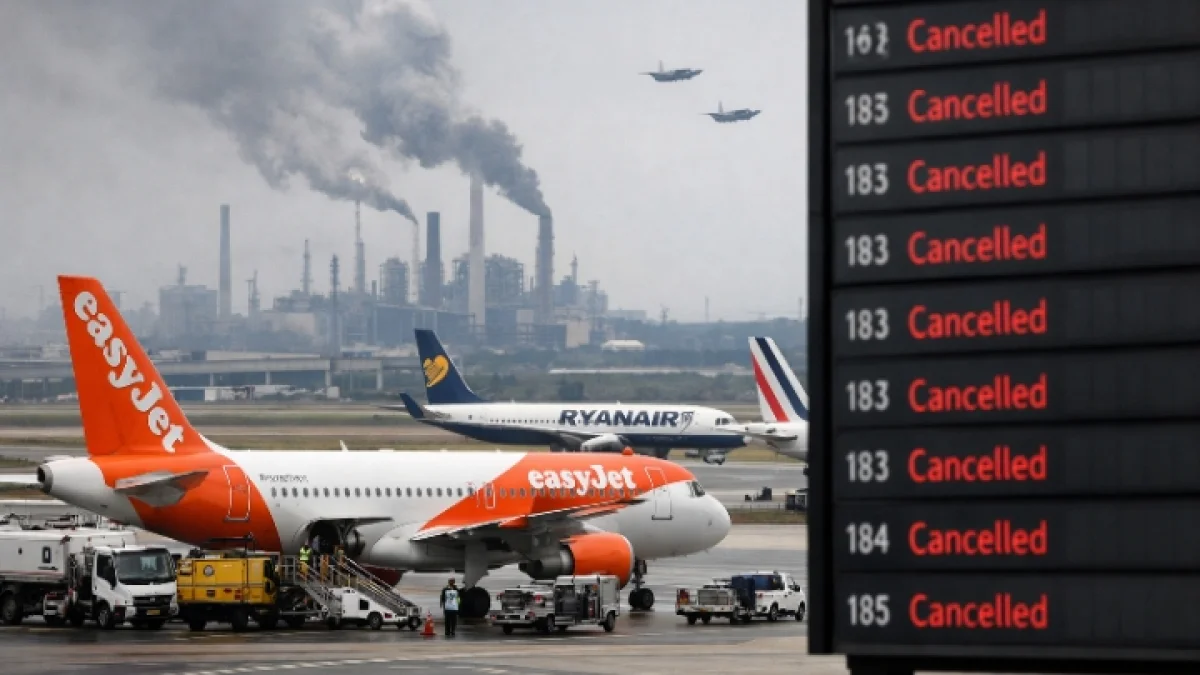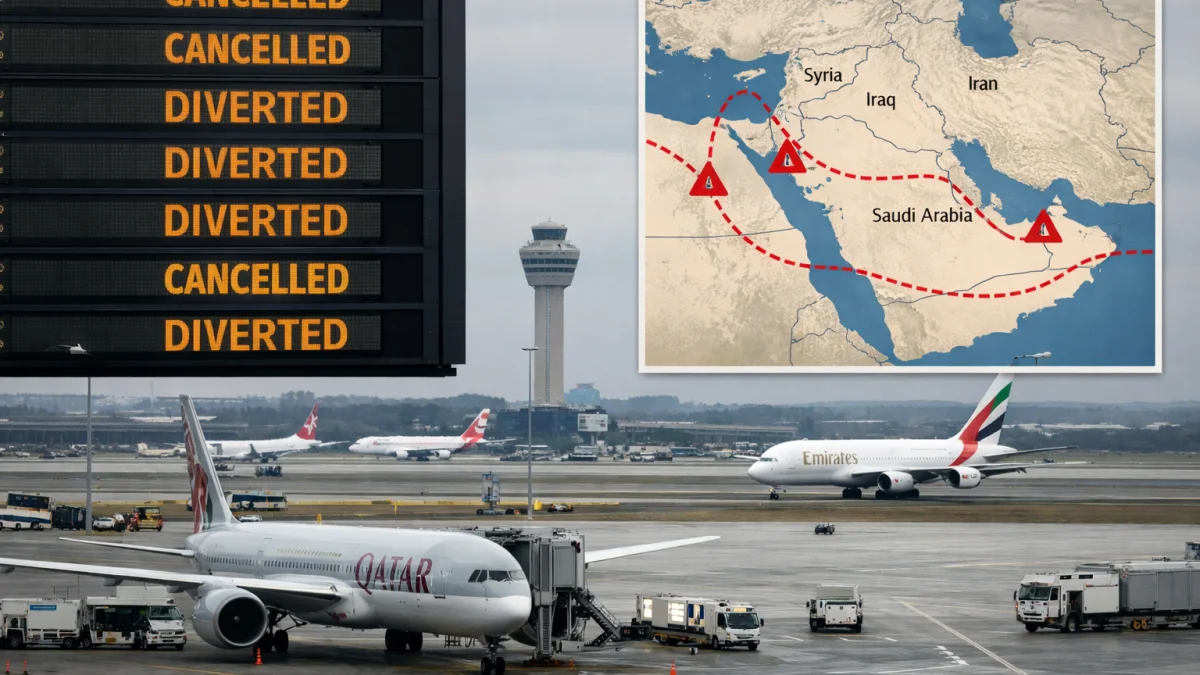
LONDON — Major international airlines continued to adjust flight routes and schedules on Saturday following disruptions in Middle East airspace, with carriers extending diversions around conflict-affected areas while gradually restoring selected services where aviation authorities have determined conditions permit safe operations.
The operational changes underscore the continuing effect of regional security concerns on global aviation, particularly for flights linking Europe and Asia. Longer routings have increased flight times, fuel consumption and scheduling complexity, while airlines have repeatedly stated that operational decisions are based on safety assessments and official airspace guidance.
The European Union Aviation Safety Agency (EASA) earlier this week advised operators to continue avoiding the airspace of Iran, Iraq and Lebanon through at least July 1, despite a framework diplomatic agreement involving the United States and Iran. The agency said the recommendation reflected the possibility of renewed conflict-related activity and urged operators to maintain caution across a broader region that includes parts of the Gulf and eastern Mediterranean.
Airlines have responded differently depending on their networks and operational requirements. According to airline statements compiled in recent industry updates, several European and international carriers have maintained suspensions or extended cancellations on routes serving destinations including Dubai, Tel Aviv, Beirut and Baghdad, while others have resumed selected services or increased capacity where conditions allow. Many Europe-Asia flights continue to bypass affected airspace, resulting in longer journey times.
The International Air Transport Association said in its June industry outlook that higher fuel costs, airspace restrictions and extended routings are weighing on airline operations worldwide. The organization projected that passenger demand would continue growing in 2026 but at a slower pace than previously expected, while profitability would remain under pressure from elevated operating costs associated with the disruptions.
Airlines have advised passengers to monitor flight status before departure because schedules may change at short notice. Several carriers have also introduced flexible rebooking or refund policies for affected itineraries, according to notices published by the airlines. Industry guidance continues to emphasize that routing decisions are made in coordination with aviation authorities and air navigation service providers based on the latest safety information.
As of Saturday, no regional aviation authority had announced a full normalization of airspace across the affected areas. EASA's current conflict-zone advisory remains in effect until at least July 1, while airlines said they will continue reviewing schedules and routings in line with official safety guidance and operational conditions.