The latest U.S. military strikes on Iranian targets have intensified an already complex legal debate over the limits of the use of force under international law, placing renewed attention on how states interpret the United Nations Charter, the law of self-defence and the obligations governing armed conflict. As Washington argues that its operations are a lawful response to Iranian attacks and threats against U.S. forces and maritime security, critics contend that the expanding campaign risks weakening long-established legal constraints on interstate force.
The legal significance extends well beyond the immediate military confrontation. The dispute is testing how international institutions, allied governments and legal experts interpret the threshold for self-defence, proportionality and necessity at a time when regional hostilities have repeatedly crossed national borders. The outcome of these competing legal arguments could influence future state practice, particularly where governments seek to justify military action without explicit authorization from the U.N. Security Council.
The U.N. Charter generally prohibits the use of force against another state's territorial integrity or political independence except in two circumstances: when authorized by the Security Council or when a state acts in self-defence following an armed attack under Article 51. In official communications to the Security Council, the United States has maintained that its military operations constitute necessary and proportionate acts of collective and individual self-defence designed to protect American personnel, regional partners and international shipping through the Strait of Hormuz.
Whether that legal justification remains persuasive as military operations continue has become the central question among international lawyers. Some scholars argue that self-defence may permit force against continuing armed attacks when the response satisfies the requirements of necessity and proportionality. Others contend that sustained offensive operations, particularly if they extend beyond immediate defensive objectives, require stronger legal justification and risk exceeding the limits recognized under the Charter. Those differing interpretations have resurfaced as hostilities have resumed after previous ceasefire arrangements broke down.
The debate also encompasses international humanitarian law, which regulates conduct during armed conflict regardless of whether the resort to force itself is lawful. Parties must distinguish between military objectives and civilian objects, take feasible precautions to minimize civilian harm and ensure attacks remain proportionate. Allegations involving damage to civilian infrastructure have therefore attracted international scrutiny, although many specific claims remain contested or independently unverified. The United Nations has repeatedly urged restraint and emphasized the protection of civilians while encouraging renewed diplomacy.
Independent legal organizations have advanced substantially different assessments from those offered by Washington. The International Commission of Jurists has argued that the U.S. strikes violated the prohibition on the use of force under the U.N. Charter because, in its view, neither Security Council authorization nor the legal requirements for self-defence had been satisfied. The organization has also emphasized that attacks on nuclear-related facilities raise additional concerns under international humanitarian law because of the potential humanitarian consequences. Those conclusions represent legal advocacy rather than binding judicial determinations but illustrate the breadth of disagreement surrounding the conflict.
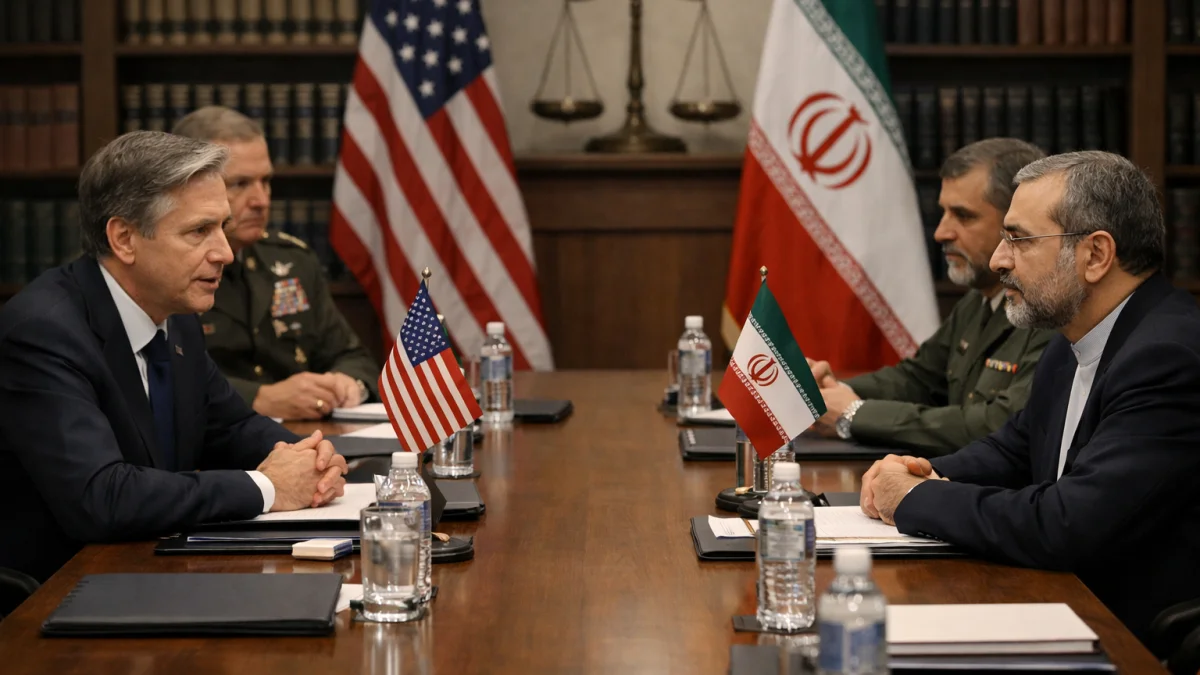
The Security Council has remained divided despite adopting resolutions addressing parts of the broader regional conflict. While member states have condemned attacks affecting Gulf countries and stressed compliance with international law, geopolitical divisions among permanent members have continued to limit consensus on the wider confrontation between the United States and Iran. That pattern reflects a recurring feature of contemporary conflicts in which political disagreement constrains the Council's ability to provide authoritative legal guidance on contested uses of force.
The dispute also carries implications for U.S. alliances. European and regional partners generally share concerns about maritime security and Iranian military activities, yet many allies have consistently emphasized that military responses should remain consistent with international law and be accompanied by diplomatic efforts. Continued legal uncertainty may complicate coalition-building, intelligence cooperation and political support if partners reach different conclusions regarding the legality or proportionality of future operations.
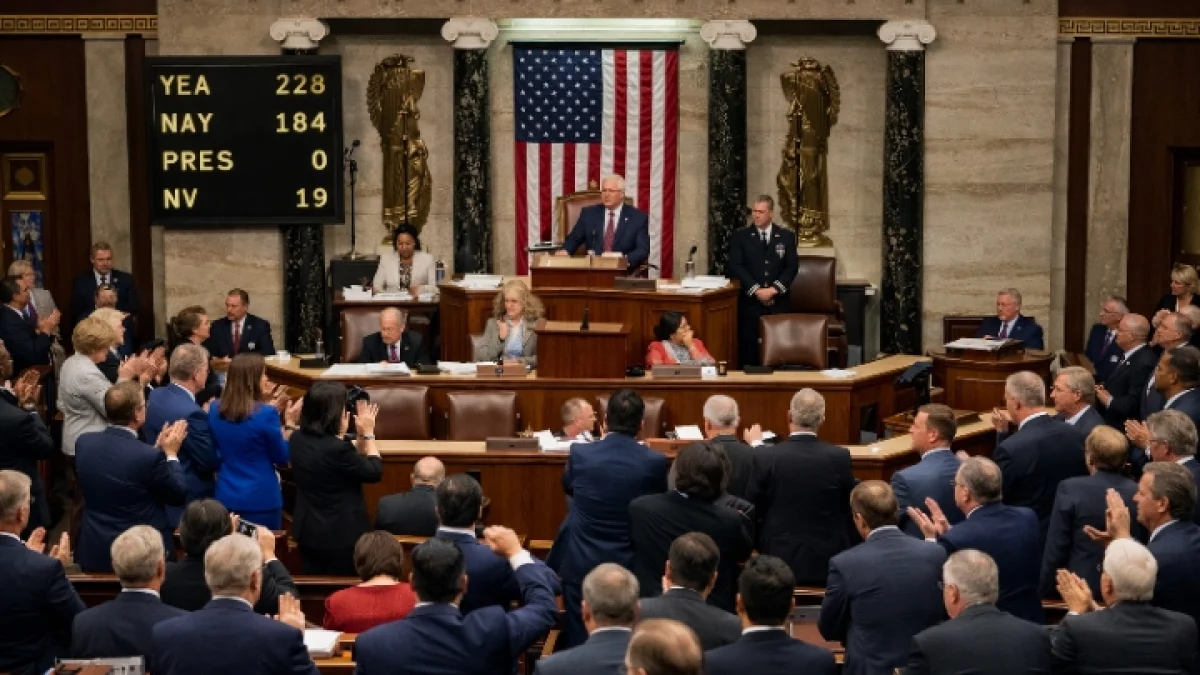
Domestic legal questions intersect with the international debate. President Donald Trump has formally notified Congress that renewed hostilities triggered a new period under the War Powers framework, while critics in Congress have challenged aspects of the administration's legal interpretation. Although domestic constitutional questions are distinct from international law, disagreements over executive authority can influence the duration, oversight and political legitimacy of military operations abroad.
Historical experience suggests that legal precedents established during major security crises often extend beyond the conflict that generated them. Expansive interpretations of self-defence, if accepted by other governments, may shape future responses to transnational threats. Conversely, successful challenges to those interpretations could reinforce existing restrictions on unilateral military action. International legal scholars therefore view the current dispute as part of a broader evolution in how states interpret the Charter in an era of persistent regional conflict and non-traditional security threats.
For now, the confirmed picture remains one of continuing military operations, competing legal interpretations and sustained diplomatic efforts to prevent further escalation. U.N. officials continue to call for restraint and renewed negotiations, while governments, legal experts and international institutions monitor whether future military actions comply with the principles governing self-defence, civilian protection and the broader rules-based international order.