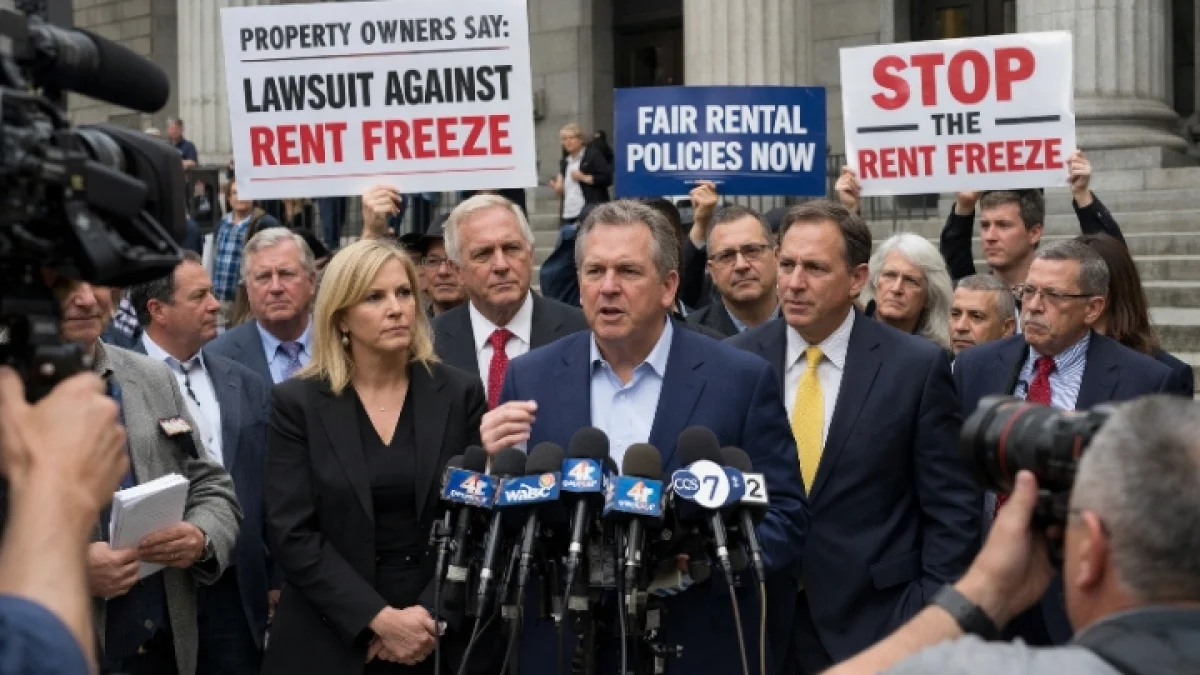
NEW YORK—A coalition of New York City landlords has sued the city and its Rent Guidelines Board, seeking to block a newly approved rent freeze for roughly 1 million rent-stabilized apartments, arguing the policy was adopted through an unlawful process influenced by Mayor Zohran Mamdani rather than an independent review of economic evidence.
The lawsuit, filed in New York state court on Wednesday, challenges the Rent Guidelines Board's June 25 vote to freeze rents on both one-year and two-year rent-stabilized lease renewals beginning Oct. 1. The board approved the measure by a 7-1 vote, marking the city's first freeze on two-year rent-stabilized leases.
The plaintiffs contend the board failed to act independently, alleging the decision was predetermined to fulfill a campaign pledge by Mamdani to freeze rents. According to the complaint, the mayor improperly influenced the board through appointments and by presenting what the landlords describe as biased information about housing costs. The lawsuit asks the court to invalidate the vote and prevent the freeze from taking effect.
City Hall and the Rent Guidelines Board have maintained that the board is an independent body required by law to weigh tenant affordability alongside landlords' operating costs before setting annual rent adjustments. In a statement issued after the June vote, Mamdani described the decision as "a historic victory" for tenants and said the board had reviewed data on living costs, tenants' ability to pay and building operating expenses before reaching its conclusion.
Landlord groups argue the freeze comes as owners face rising insurance, maintenance and financing costs, saying the policy will make it more difficult to maintain aging buildings. The lawsuit also cites the resignation of a landlord representative from the Rent Guidelines Board, who criticized the process leading to the vote.
Tenant advocates have supported the freeze, saying it is needed to ease housing costs for residents of rent-stabilized apartments amid broader affordability pressures. The Rent Guidelines Board's annual decisions affect a significant share of the city's rental housing and have long been a focal point of debate between tenant organizations and property owners.
Previous legal challenges to Rent Guidelines Board decisions have generally been unsuccessful, although the plaintiffs argue their case raises new procedural issues regarding the board's independence. As of Thursday, the court had not ruled on the landlords' request, and the rent freeze remained scheduled to take effect on Oct. 1 unless a judge orders otherwise.