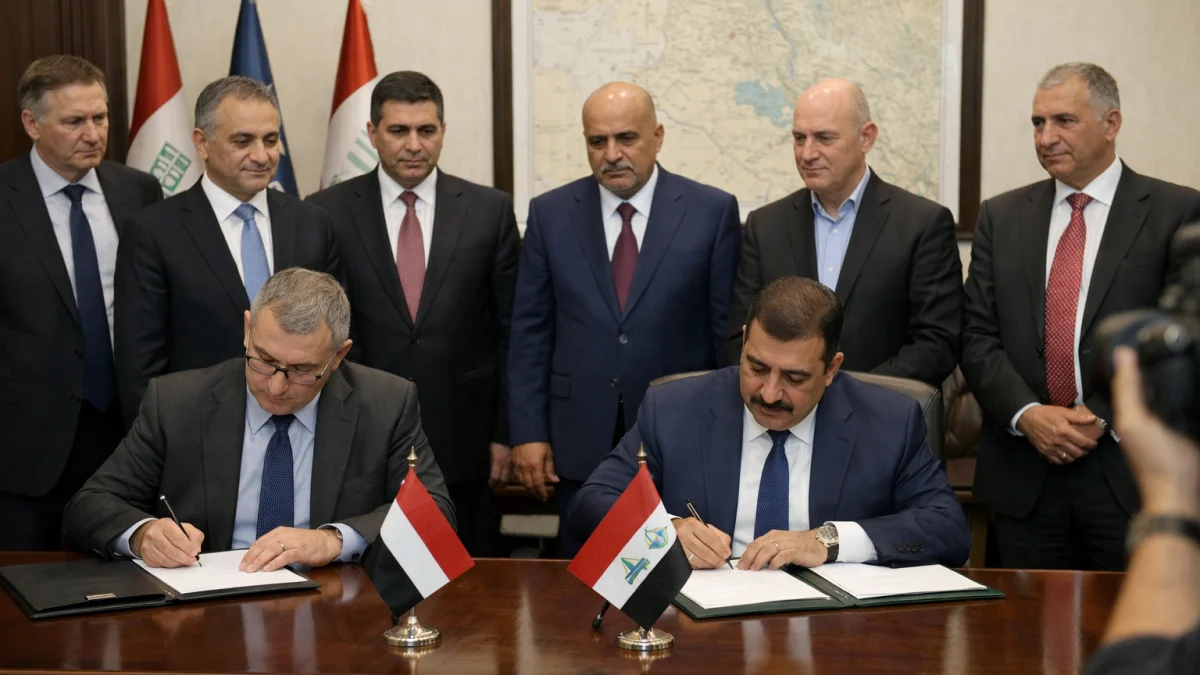
WASHINGTON — Iraq signed more than $60 billion in preliminary agreements with Western companies on Friday, including major energy deals with Chevron and ConocoPhillips and a plan to revive a long-dormant oil pipeline through Syria, as Baghdad seeks to expand production and diversify export routes beyond the Strait of Hormuz.
The agreements were announced during a U.S.-Iraq business summit in Washington attended by Iraqi Prime Minister Ali al-Zaidi, senior U.S. officials and executives from leading energy companies. Iraqi officials said the accords cover oil, gas, infrastructure, healthcare and technology, with energy projects forming the largest share.
Chevron signed agreements to pursue development of oil infrastructure and to participate in rebuilding the Iraq-Syria crude oil pipeline linking northern Iraq to Syria's Mediterranean port of Baniyas. Iraqi and Syrian officials also signed a separate cooperation agreement to rehabilitate the long-defunct route, which officials said would provide Iraq with an additional export corridor to global markets.
The U.S. Department of State welcomed the initiative, saying a U.S.-led international consortium would undertake the project's technical and financial work. According to the department, the restored pipeline is expected to have an initial transport capacity of about 2 million barrels per day once completed.
ConocoPhillips agreed to acquire a 42% stake in BP Energy of Kirkuk Ltd, joining BP in redeveloping four oilfields in the Kirkuk region under an existing redevelopment program. Company executives described Iraq as a market with significant long-term potential, while stressing that the agreements mark the beginning of a longer investment process.
Al-Zaidi said Iraq was pursuing an "open-door policy" toward international investors, telling the summit that the government intended to make investment opportunities accessible to companies willing to develop projects in the country.
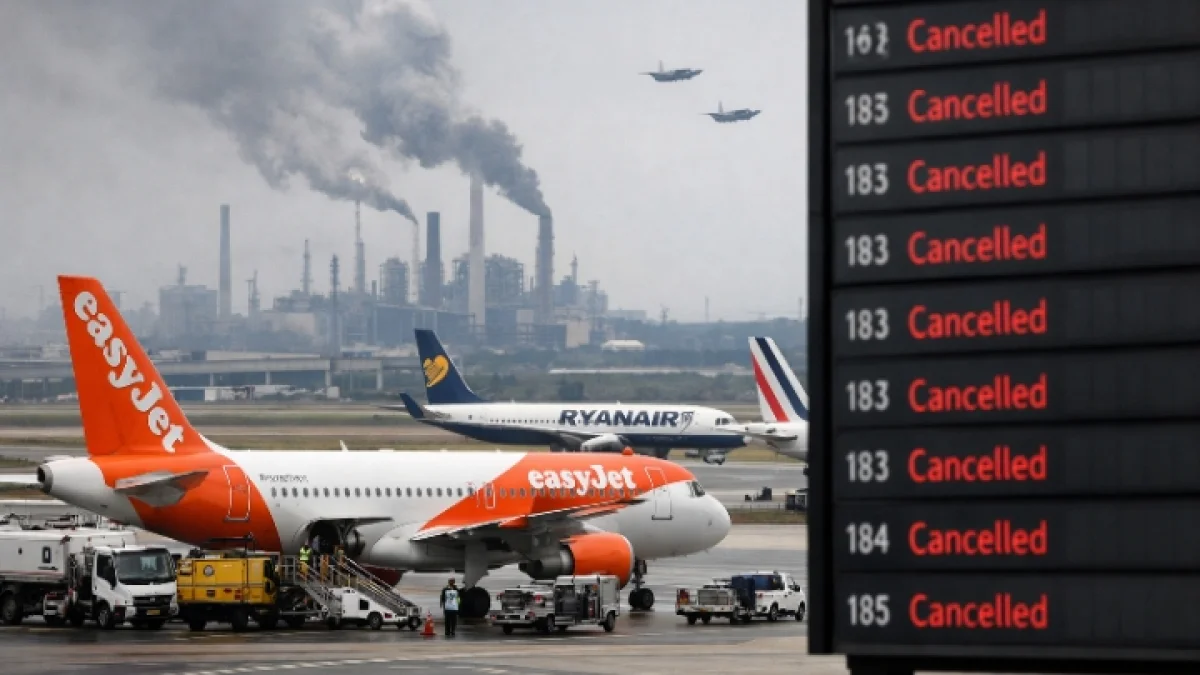
The energy initiatives come as disruptions to shipping through the Strait of Hormuz have prompted producers and consumers to examine alternative export routes. Iraq exports most of its crude through Gulf terminals, leaving shipments exposed to any interruption along the strategic waterway. Officials said the proposed Mediterranean corridor would strengthen Iraq's export flexibility once operational, though no completion timetable has been announced.
Most of the agreements signed at the summit are memorandums of understanding or other preliminary arrangements and remain subject to further negotiations, regulatory approvals and final investment decisions, according to Iraqi officials and participating companies.