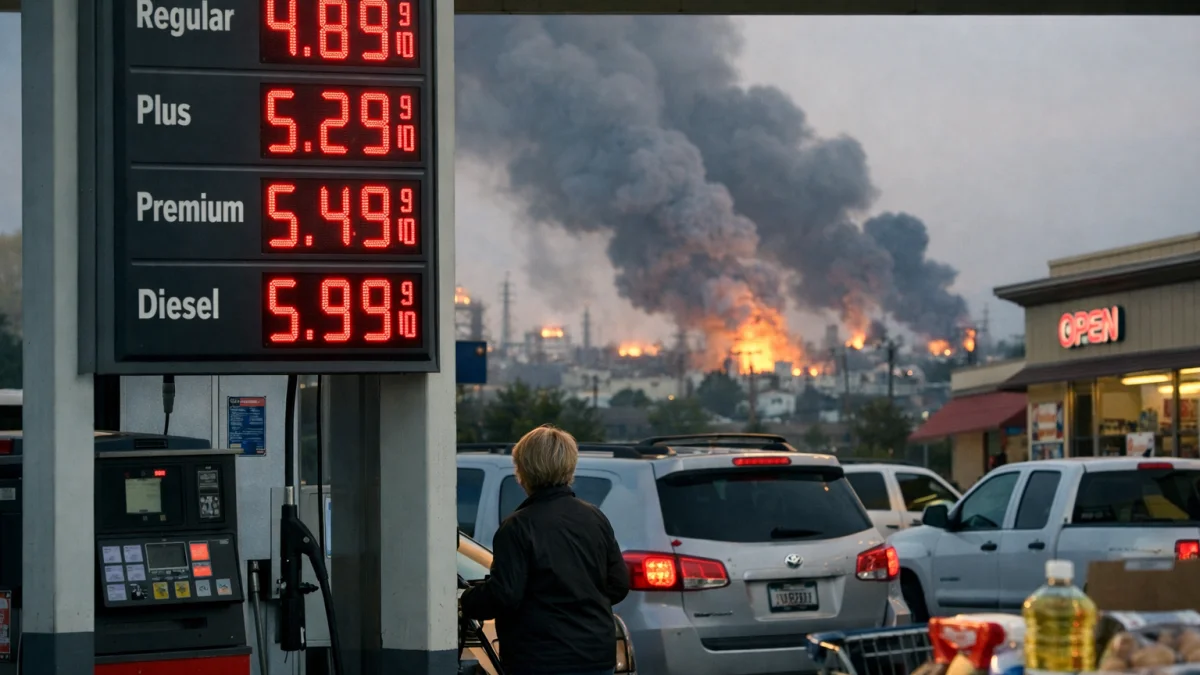
LONDON — Inflation concerns are intensifying across major economies as renewed conflict in the Middle East pushes energy markets higher, raising the risk that elevated fuel and utility costs could slow progress on bringing price growth back toward central bank targets.
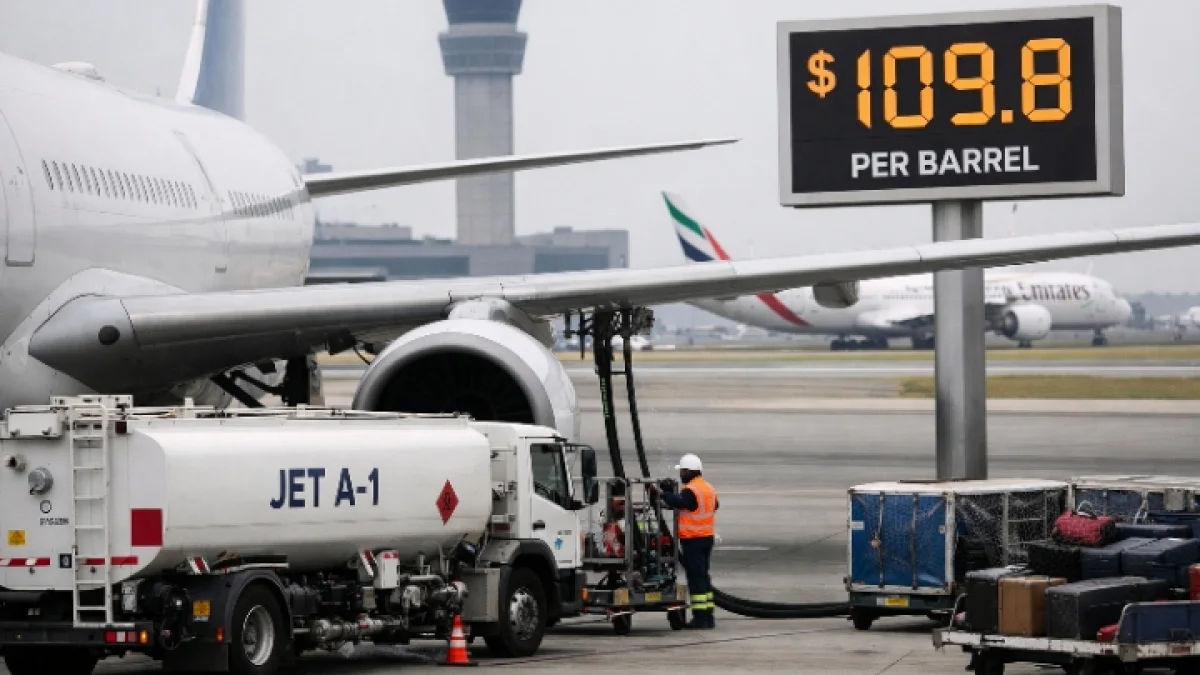
Oil prices rose sharply on Monday after renewed U.S.-Iran military strikes increased concerns over disruptions to shipping and energy supplies through the Strait of Hormuz, a critical route for global oil trade. Market volatility has increased as investors assess the potential impact of the conflict on crude supplies and transportation costs.
The Bank of England said the Middle East conflict had caused a significant shock to global commodity supplies, contributing to higher energy prices and creating inflationary pressure that could weigh on economic growth. The central bank said the effects of higher energy costs were already passing through to households and businesses, while broader impacts on other goods could take longer to emerge.
The International Monetary Fund said the global inflation outlook had become less favorable as the energy shock from the conflict disrupted the decline in inflation seen since early 2024. The IMF projected that global headline inflation would remain elevated in 2026, while warning that renewed escalation could increase commodity price volatility and tighten financial conditions.
Central banks are closely monitoring whether energy-driven price increases remain temporary or begin to spread into wider inflation expectations and wage pressures. The Bank of England has said monetary policy cannot directly control energy prices but must ensure that temporary shocks do not become persistent inflation.
The impact varies among economies depending on their exposure to imported energy. The Bank of England said energy-importing regions were particularly vulnerable to higher global prices, while the overall effect on inflation and growth would depend on the duration and severity of the disruption.
The Organization for Economic Cooperation and Development has also warned that the conflict-related energy shock could weaken global growth while increasing inflation pressures. It said outcomes would depend heavily on whether disruptions to energy production and trade were temporary or prolonged.
Governments and policymakers are continuing to monitor energy markets, inflation data and supply conditions as the conflict develops. The latest assessments from major economic institutions indicate that the outlook remains dependent on the stability of energy flows and the duration of geopolitical tensions.