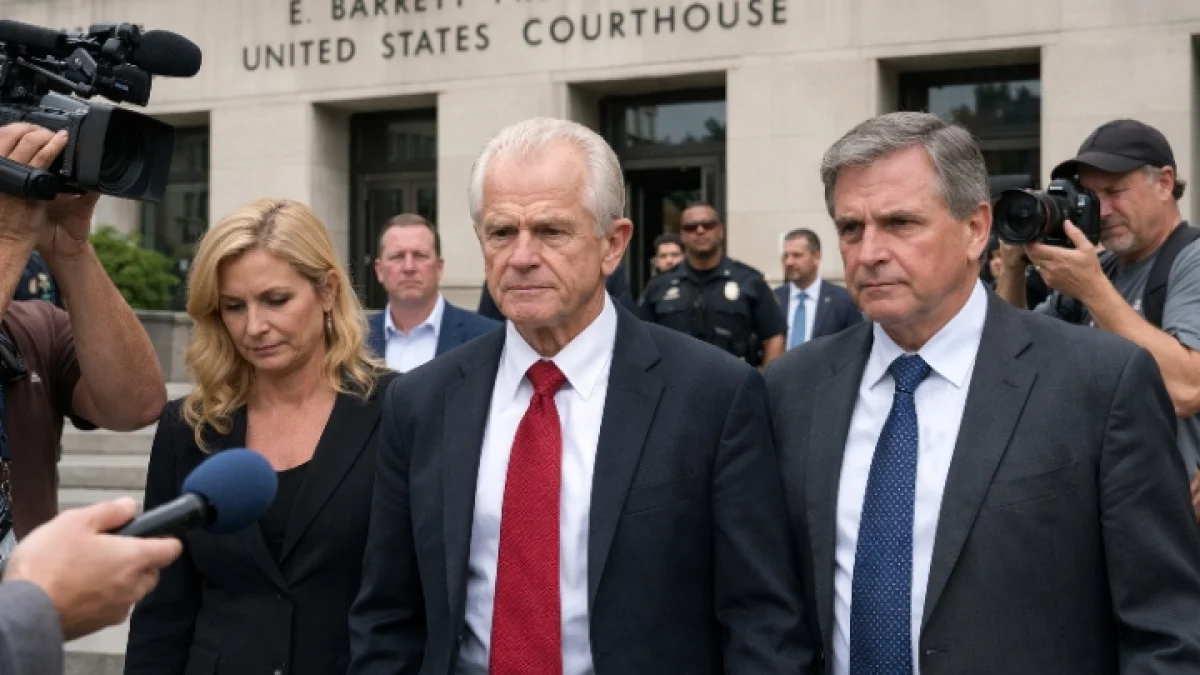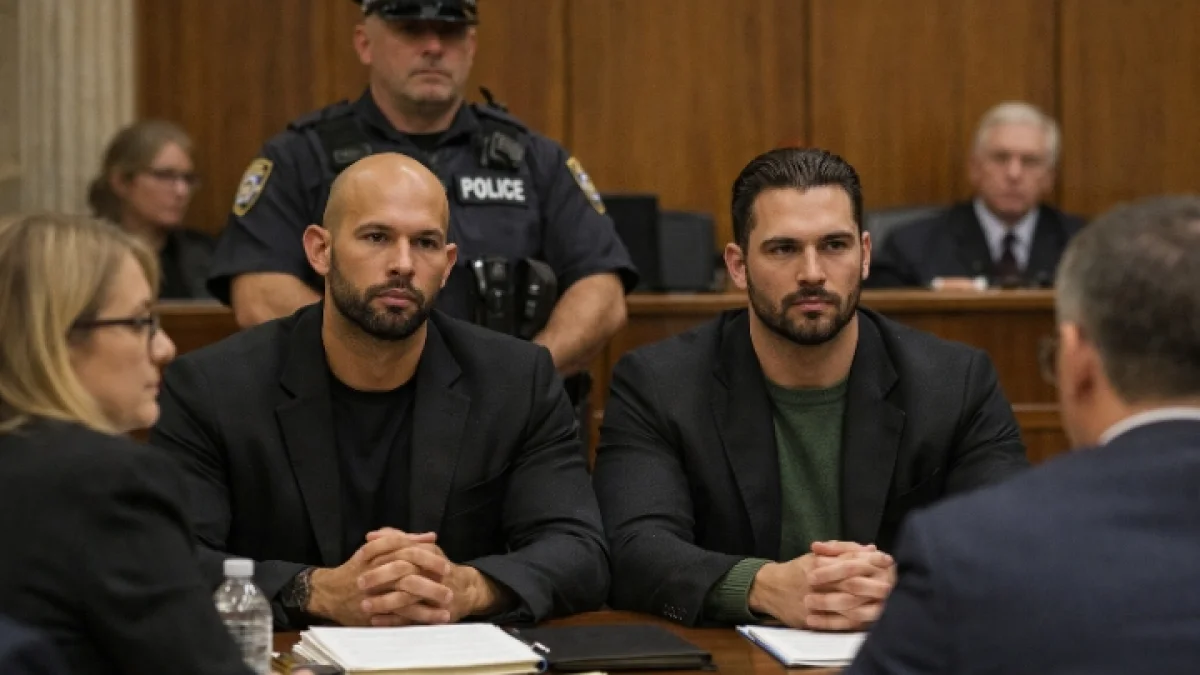
The arrest of Andrew and Tristan Tate in Florida under a United Kingdom extradition request has shifted a long-running international criminal case into a new legal phase, placing the United States at the center of a closely watched test of transatlantic judicial cooperation in serious sexual offence prosecutions. The brothers, who deny all allegations, now face extradition proceedings after British prosecutors expanded the case with additional charges involving four more alleged victims.
The latest development is significant because it moves beyond the investigative and procedural disputes that have characterized previous proceedings in Romania and focuses instead on whether U.S. courts will authorize the transfer of dual U.S.-British nationals to stand trial in Britain. The case also illustrates how parallel investigations across multiple jurisdictions can complicate the prosecution of alleged cross-border crimes while testing the effectiveness of extradition agreements among close allies.
Britain's Crown Prosecution Service (CPS) announced on July 19 that it had authorized further charges after receiving additional evidence from Bedfordshire Police. Prosecutors said Andrew Tate now faces additional allegations including rape, arranging or facilitating trafficking for sexual exploitation, assault occasioning actual bodily harm, and offences relating to indecent images of a child and extreme pornography. Tristan Tate faces additional allegations including rape, sexual assault and arranging or facilitating trafficking for sexual exploitation. The CPS said the new allegations increase the number of alleged victims from three to seven and bring the prosecution's overall case substantially beyond the original indictment. The agency emphasized that authorizing charges is not a finding of guilt and that both defendants are entitled to a fair trial.
The U.S. role differs fundamentally from that of British prosecutors. American courts considering an extradition request generally do not determine guilt or innocence. Instead, judges examine whether treaty requirements have been satisfied, including whether the alleged conduct would constitute criminal offences under both legal systems and whether sufficient legal standards for extradition have been met. Final executive procedures may also form part of the extradition process under U.S. law.
The proceedings are unfolding against the backdrop of a broader international legal history involving the brothers. Romanian authorities launched separate investigations in 2022 into allegations including human trafficking and rape, allegations the brothers have consistently denied. Legal disputes and procedural rulings in Romania contributed to delays that allowed the case to become increasingly international in scope. British authorities had previously sought extradition from Romania, while recent judicial decisions in England addressed procedural questions surrounding disclosure of complainants' identities before any trial could begin.
The transfer of the extradition process to the United States reflects changing procedural circumstances rather than any determination regarding the underlying allegations. It also demonstrates how criminal investigations involving internationally mobile suspects increasingly require coordination among prosecutors, police agencies and courts operating under different legal frameworks.
For the United Kingdom, the case represents an opportunity to demonstrate that complex historical sexual offence allegations can continue to be pursued even after extended investigations and across national borders. British prosecutors have repeatedly stressed that charging decisions follow an evidentiary review conducted under the Code for Crown Prosecutors rather than any presumption of guilt.
For the United States, the proceedings are likely to be viewed primarily through the framework of treaty obligations and judicial independence. The Justice Department has confirmed that the extradition process is being handled through established legal procedures, while attorneys representing the Tate brothers have argued that the charges are politically motivated and have challenged aspects of the arrest and extradition request. Those arguments are expected to be addressed through the judicial process rather than through public debate.
The case also illustrates broader challenges facing international prosecutions involving alleged human trafficking and sexual exploitation. Such investigations frequently depend on cooperation among multiple law enforcement agencies, evidence gathered across jurisdictions and lengthy procedural coordination. Legal experts have long noted that extradition proceedings in complex criminal cases often become important tests of mutual trust between judicial systems, particularly where suspects have ties to more than one country.
Public attention surrounding the Tate brothers adds another dimension without altering the legal standards governing the proceedings. Their large online following and widespread public profile have generated intense media scrutiny, prompting British prosecutors to remind the public that active criminal proceedings require careful reporting that does not prejudice a future trial.
At present, the confirmed facts remain limited. Andrew and Tristan Tate have been arrested in the United States pursuant to a British extradition request, British prosecutors have expanded the charges to include additional alleged victims, and both brothers continue to deny all allegations. U.S. courts are expected to determine whether the legal requirements for extradition have been satisfied, while British authorities continue to prepare for potential criminal proceedings should the extradition request ultimately be granted. The timing of any transfer, the outcome of judicial review in the United States and the eventual progress of any UK criminal trial remain matters for the courts.