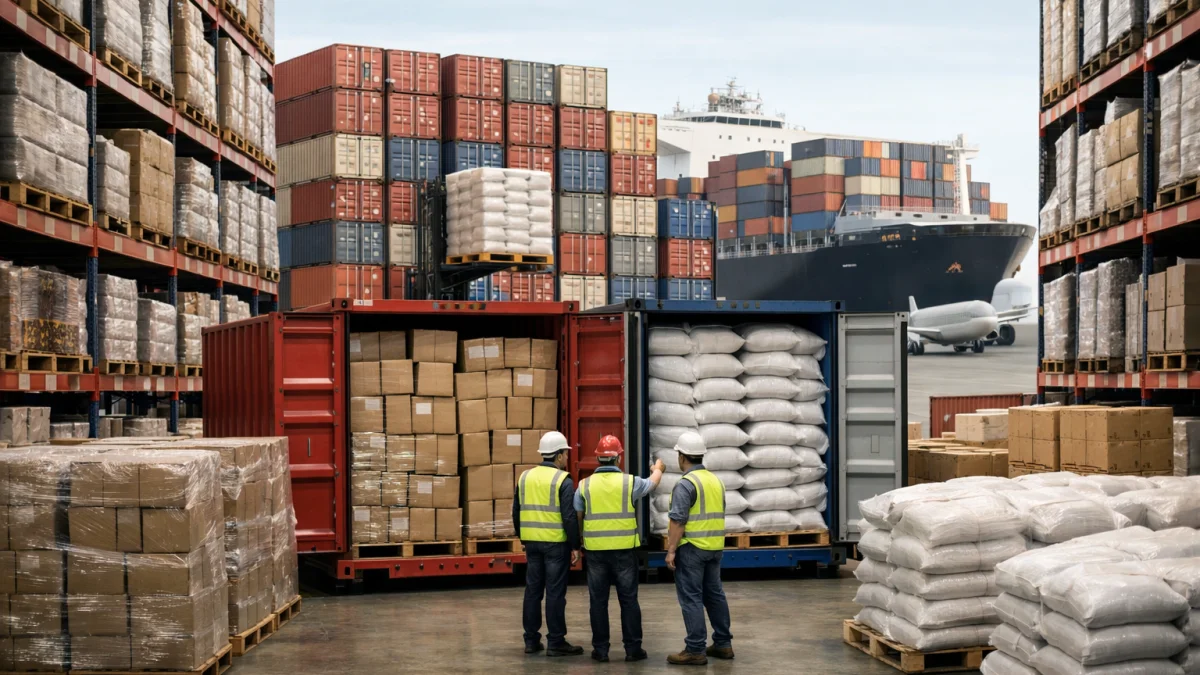
LONDON — Governments and manufacturers are increasingly expanding stockpiles of critical materials and key industrial inputs as part of broader efforts to strengthen supply-chain resilience, according to recent industry surveys, policy announcements and international agreements released this month.
The shift comes as businesses and policymakers respond to continuing concerns over geopolitical tensions, transportation disruptions and concentrated sources of supply for commodities and manufactured goods. Recent data show companies in North America, Europe and Asia have accelerated inventory building and front-loaded purchases to reduce exposure to potential shortages and price increases.
According to the GEP Global Supply Chain Volatility Index, reports of safety stockpiling reached their highest level in more than three years during May, with manufacturers increasing purchases of raw materials and finished goods. GEP said businesses were seeking protection against inflationary pressures, transportation bottlenecks and the possibility of future supply disruptions.
“Reports of safety stockpiling rose to their highest level since January 2023,” GEP said in a June report based on surveys of thousands of businesses worldwide. The report noted that shortages and transportation costs have remained elevated for several consecutive months.
Governments have also adopted stockpiling strategies in sectors considered strategically important. Earlier this month, leaders of the Group of Seven nations agreed to strengthen coordination on critical minerals, including plans to align stockpiling mechanisms and develop a framework for reducing dependence on single suppliers of materials such as lithium, nickel and rare earth elements. Reuters reported that the initiative is intended to support supply-chain security for industries including defense, technology and renewable energy.
The trend extends beyond minerals. Energy analysts have reported increased attention to strategic petroleum reserves and other emergency inventories following disruptions in global energy markets. Industry observers said stockpiles are increasingly viewed as a tool for managing risks associated with geopolitical events and transportation constraints.
At the same time, some experts have cautioned that stockpiling alone cannot eliminate supply-chain vulnerabilities. A report released this month by the UK Government Office for Science highlighted the importance of diversification, contingency planning and investment in resilient supply networks alongside inventory strategies.
The World Economic Forum said in a January report that global supply chains have entered an era of what it described as “structural volatility,” prompting companies and governments to reevaluate how they manage sourcing, manufacturing and inventory. Nearly three-quarters of business leaders surveyed for the report identified resilience investments as a priority.
As of Thursday, companies and governments continued to expand resilience programs that include stockpiling, supplier diversification and domestic production initiatives. Officials said these measures are intended to reduce disruptions and maintain access to essential goods, although the long-term effectiveness of individual programs remains subject to ongoing evaluation.