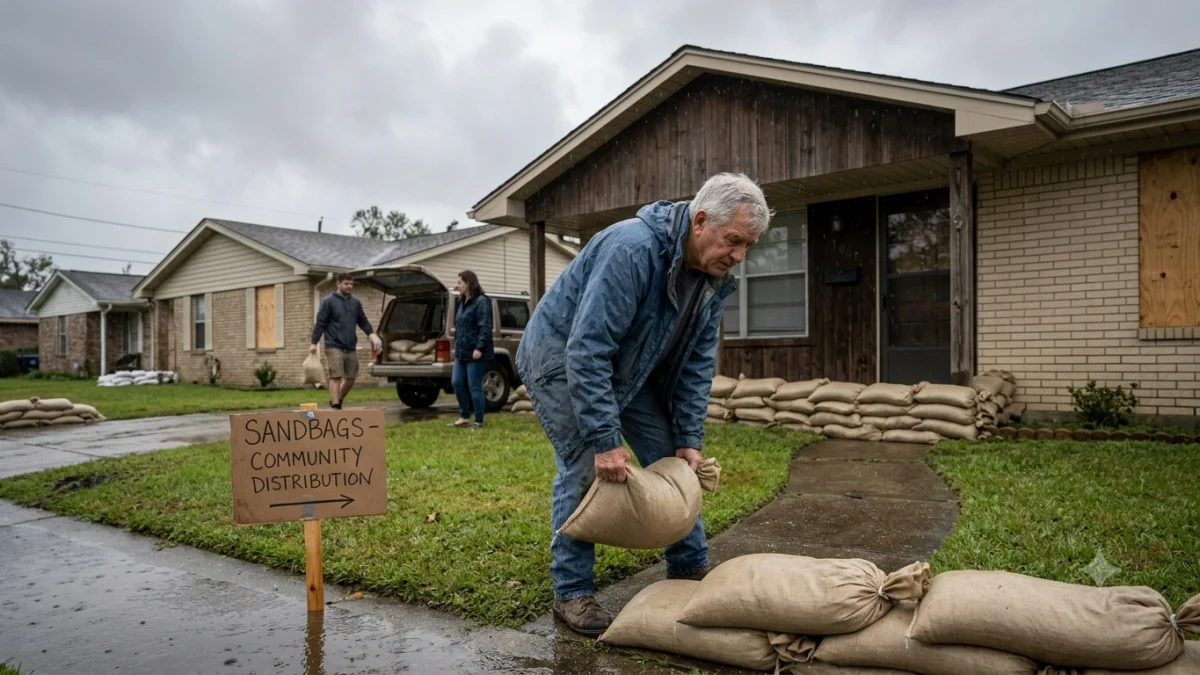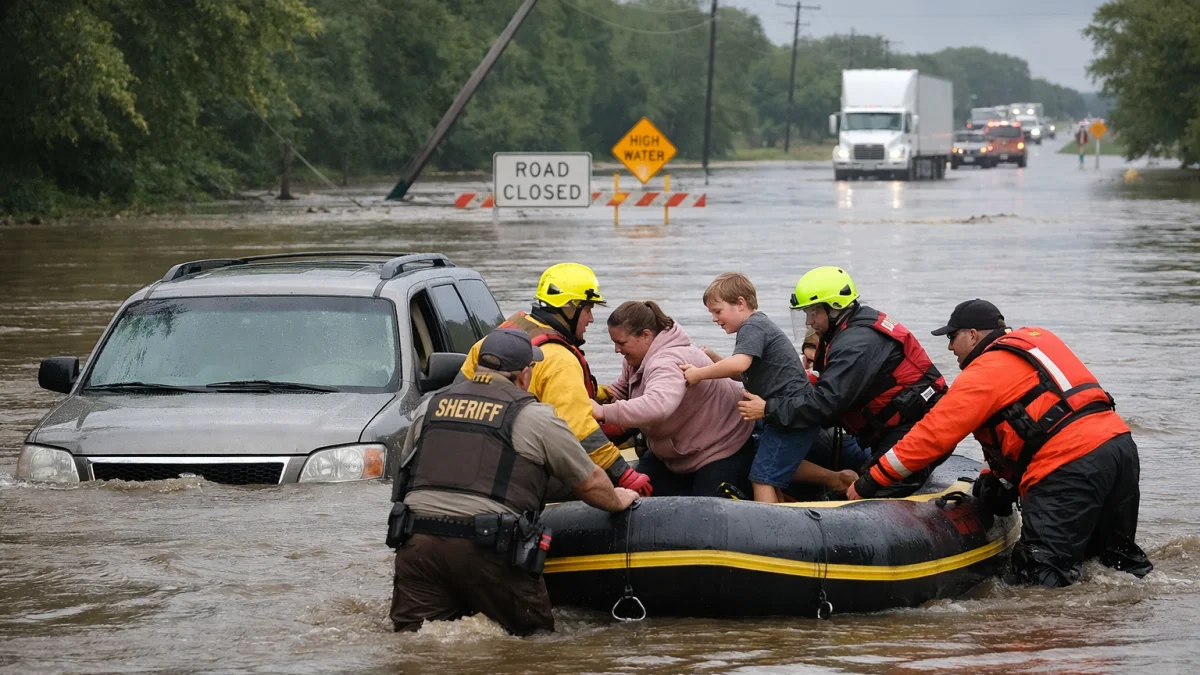
Severe thunderstorms and repeated flood threats across parts of the central United States have become the latest test of the resilience of transportation, energy and water infrastructure, as emergency officials contend with a pattern of intense rainfall that has affected multiple regions during an already active summer weather season. Forecasts from the U.S. National Weather Service indicate that heavy rainfall and severe storms remain possible across portions of the country's interior, even as some areas continue recovery from earlier flooding.
The significance extends beyond the immediate damage. The succession of severe weather events has highlighted how repeated flooding can strain infrastructure designed for historical rainfall patterns while complicating emergency response, disrupting commerce and increasing the cost of maintaining roads, bridges, rail networks and utility systems. The overlapping hazards also underscore the operational challenge facing local governments and federal agencies when multiple regions experience weather-related emergencies within a short period.
Central parts of the United States occupy one of the world's most active corridors for severe convective storms, where warm, moisture-laden air from the Gulf of Mexico frequently collides with cooler and drier air masses. During summer, slow-moving weather systems or stalled fronts can produce repeated rounds of thunderstorms over the same locations, substantially increasing the risk of flash flooding. According to the National Weather Service and its research laboratories, flash floods remain among the deadliest weather hazards in the United States because water levels can rise rapidly with little warning.
Recent events illustrate the cumulative nature of the risk. Parts of Texas have continued dealing with river flooding, emergency rescues and infrastructure disruptions following exceptionally heavy rainfall, while other states have also experienced flooding from successive storm systems. Meteorologists have warned that saturated soils can significantly increase runoff during subsequent storms, allowing moderate additional rainfall to trigger renewed flooding.
Transportation infrastructure is particularly vulnerable to repeated flooding. Highways, rural roads, rail lines and airport operations can all be disrupted when drainage systems are overwhelmed or rivers exceed flood stage. Temporary closures interrupt freight movement across one of North America's principal agricultural and manufacturing corridors, affecting supply chains beyond the immediate disaster zone. Recovery costs also extend beyond repairing pavement, as bridges, culverts and embankments may require structural inspections before reopening.
Electricity and water infrastructure face similar pressures. Floodwaters can damage substations, water-treatment facilities and wastewater systems, while severe thunderstorms frequently bring damaging straight-line winds capable of toppling transmission lines. Utilities increasingly must prepare for compound hazards in which high winds and flooding occur simultaneously, slowing restoration efforts and increasing operational costs.
The repeated occurrence of extreme rainfall has also intensified discussion about infrastructure standards. Engineers and emergency planners have long recognized that many drainage systems, levees and stormwater networks were designed using historical rainfall records. As heavier downpours become more frequent in some regions, municipalities face decisions over whether to expand drainage capacity, strengthen flood defenses or revise building standards in flood-prone areas. Research into flood-risk management has emphasized that infrastructure planning increasingly requires accounting for uncertainty in future flood hazards rather than relying solely on historical averages.
Scientists generally distinguish between individual weather events and long-term climate trends, noting that no single storm can by itself be attributed to climate change. However, assessments by U.S. and international climate researchers have concluded that a warmer atmosphere can hold more moisture, increasing the potential for heavier rainfall under favorable meteorological conditions. Researchers also note that changing atmospheric circulation can contribute to weather patterns that linger over affected regions, prolonging rainfall episodes.
Emergency management has consequently shifted toward improving forecasting and public warning systems alongside physical infrastructure. The National Weather Service and NOAA research programs continue developing higher-resolution forecasting tools intended to provide earlier identification of localized flash-flood risks. Better forecasts can improve evacuation decisions and emergency resource deployment, although officials caution that rapidly developing thunderstorms remain difficult to predict with precision.
Economic implications extend beyond reconstruction costs. Flood-related disruptions can delay agricultural operations, interrupt manufacturing, reduce retail activity and increase insurance claims. Repeated disasters within a single season may also place pressure on state emergency budgets and federal disaster assistance while affecting local governments responsible for maintaining transportation and public works infrastructure.
The current pattern also reflects the growing complexity of U.S. emergency management during the summer months. While parts of the central United States confront severe storms and flooding, other regions continue managing extreme heat, drought, wildfire activity and poor air quality. Federal and state agencies must therefore allocate personnel and resources across multiple simultaneous hazards rather than responding to isolated disasters.
The confirmed situation remains fluid as forecasters monitor additional rounds of thunderstorms and localized heavy rainfall across portions of the central and eastern United States. Officials continue assessing infrastructure impacts, river conditions and recovery needs while the National Weather Service tracks evolving weather systems that could determine where the next significant flooding threat develops.