Repeated flooding across Texas has again placed disaster preparedness and long-term recovery at the center of public policy after state officials mobilized emergency resources in response to a new round of heavy rainfall only a year after one of the state's deadliest flood disasters in decades. The renewed flood threat has underscored how communities are often forced to balance rebuilding with preparing for the next extreme weather event, even as investigations into previous disasters continue and policymakers debate reforms.
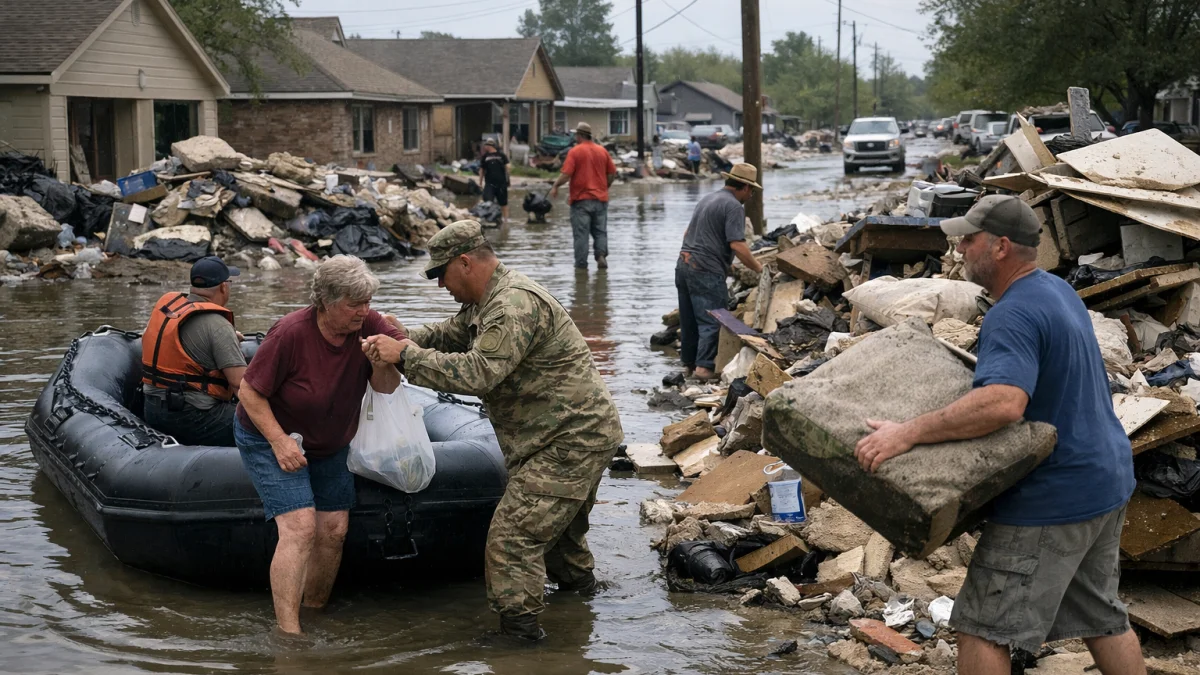
The latest emergency response is significant because it illustrates that disaster recovery is no longer a distinct phase that follows a major flood. Instead, many Texas communities remain in a cycle in which reconstruction, mitigation and emergency preparedness overlap. State authorities activated the Texas National Guard, rescue boats and specialized emergency teams ahead of forecast heavy rainfall, reflecting lessons learned from previous disasters and a greater emphasis on pre-positioning resources before flooding begins.
The challenge extends beyond emergency response. One year after the catastrophic July 2025 flooding in the Texas Hill Country, rebuilding efforts remain incomplete in many affected communities while official investigations continue to examine emergency planning, evacuation decisions and public warning systems. Survivors continue repairing homes and businesses as authorities review accountability and emergency management practices following a disaster that caused extensive economic losses alongside a high death toll.
The repeated flooding has also renewed attention to structural vulnerabilities that extend beyond individual storms. Texas contains some of the nation's most flood-prone river systems, particularly in parts of Central Texas often described by hydrologists as "Flash Flood Alley," where steep terrain, thin soils and intense rainfall can produce rapidly rising waterways. Scientists note that these geographical characteristics have long existed, while changing rainfall patterns and expanding development in vulnerable areas can increase overall flood risk and complicate emergency management.
Policy debates increasingly focus on whether recovery investments are sufficiently matched by long-term mitigation. Investigations published in 2026 by ProPublica and The Texas Tribune concluded that Texas lawmakers had rejected numerous flood-related proposals over several decades, including measures that experts argued could have reduced exposure in high-risk areas or strengthened flood resilience. The reporting also highlighted continuing development in locations already identified as having significant flood hazards, illustrating the difficulty of reducing future risk while communities continue to grow.
Flood warning systems have become another central issue. Reviews following the 2025 disaster found that proposals for expanded monitoring equipment and warning sirens had circulated for years but were not fully implemented. While meteorological forecasts accurately identified the potential for dangerous rainfall, emergency management experts have distinguished between forecasting hazardous weather and ensuring that residents receive timely, actionable warnings that lead to evacuation. Rural communications challenges, varying local emergency capabilities and differences in public awareness all influence how forecasts translate into protective action.
Recovery itself presents longer-term economic and social challenges. Research examining previous Texas disasters, including Hurricane Harvey, has shown that severe residential flood damage can slow community recovery beyond the directly affected neighborhoods, disrupting businesses, transportation networks and access to essential services across wider regions. Academic studies have also found that recovery often varies across income levels and communities, with socially vulnerable populations frequently facing greater barriers during rebuilding.
These findings have informed discussions about resilience planning rather than emergency response alone. Experts increasingly emphasize investments in floodplain management, resilient infrastructure, improved hazard mapping, enhanced warning systems and coordinated land-use planning alongside traditional disaster relief. Public comments submitted to the Texas Legislature have similarly argued that mitigation strategies should consider repeated losses and community vulnerability rather than focusing primarily on property damage assessments.
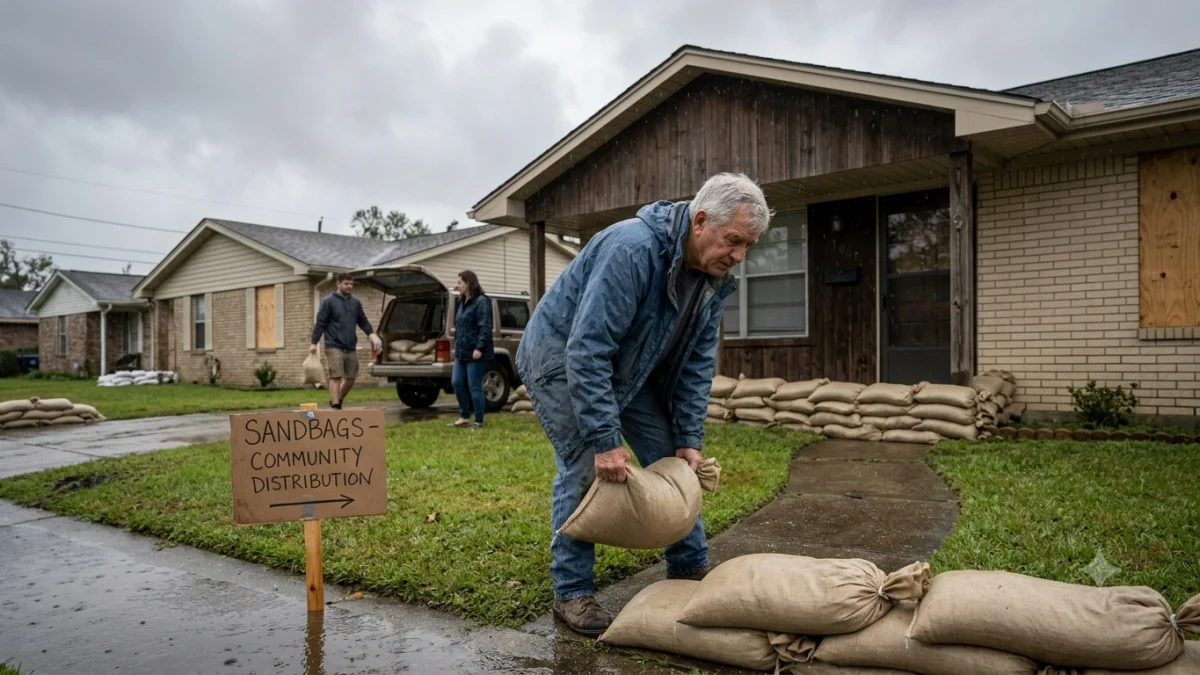
State officials have continued to stress preparedness while new storms approach. Governor Greg Abbott's administration has urged residents to monitor official forecasts, avoid flooded roadways and follow evacuation instructions where necessary, while emergency agencies remain on standby across multiple regions. The emphasis on advance deployment reflects an operational shift toward reducing response times during rapidly developing flash floods.
The latest flooding threat therefore highlights a broader reality facing Texas: disaster recovery increasingly overlaps with preparation for future events. Communities continue rebuilding from previous floods while governments evaluate warning systems, infrastructure investment, land-use policies and emergency planning. As the current weather system develops, officials are monitoring rainfall totals, river levels, emergency response operations and any additional impacts, while longer-term policy discussions over flood resilience and disaster preparedness remain ongoing.