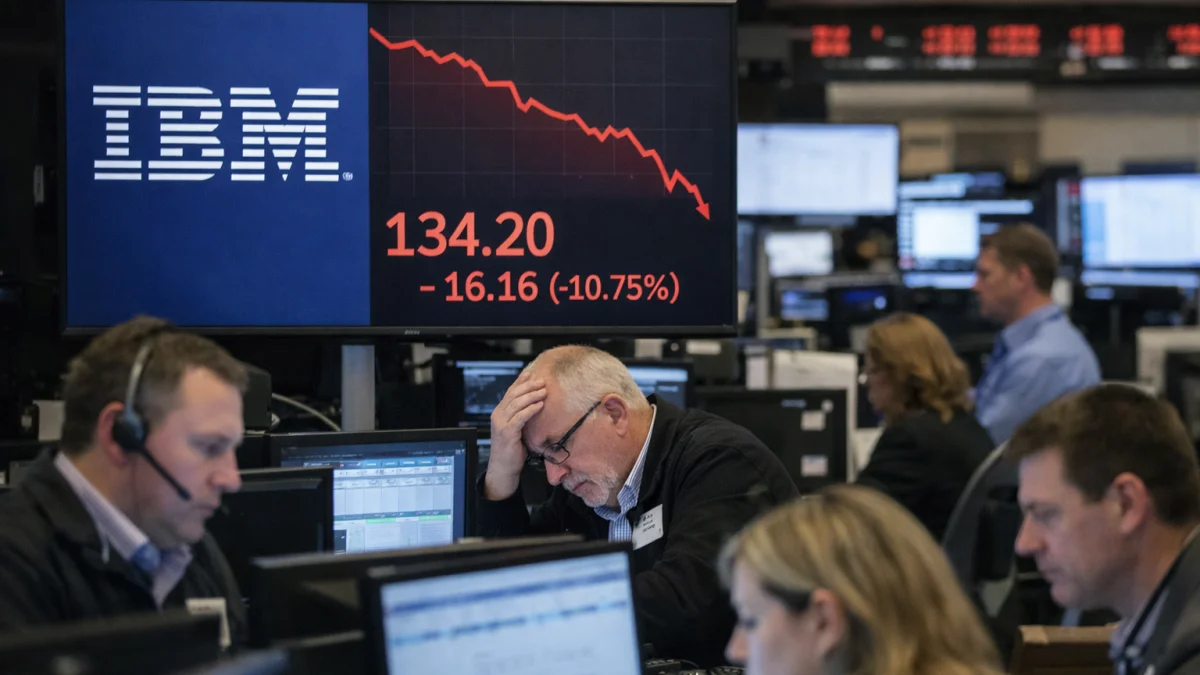
NEW YORK—IBM shares fell sharply after the technology company warned that its preliminary second-quarter results would miss Wall Street expectations, triggering its steepest one-day stock decline in decades and raising concerns about shifting enterprise technology spending patterns.
The company's stock dropped about 25% on July 14 after IBM released selected preliminary financial results ahead of its full earnings report, citing weaker-than-expected revenue and profit. The selloff spread across parts of the software sector as investors reassessed the impact of artificial intelligence-related spending priorities on established technology companies.
IBM said preliminary second-quarter revenue totaled about $17.2 billion, up 1% from a year earlier but below analysts' expectations. The company reported software revenue increased 5%, consulting revenue was roughly flat, and infrastructure revenue declined 7%. Preliminary operating earnings per share also fell short of market forecasts.
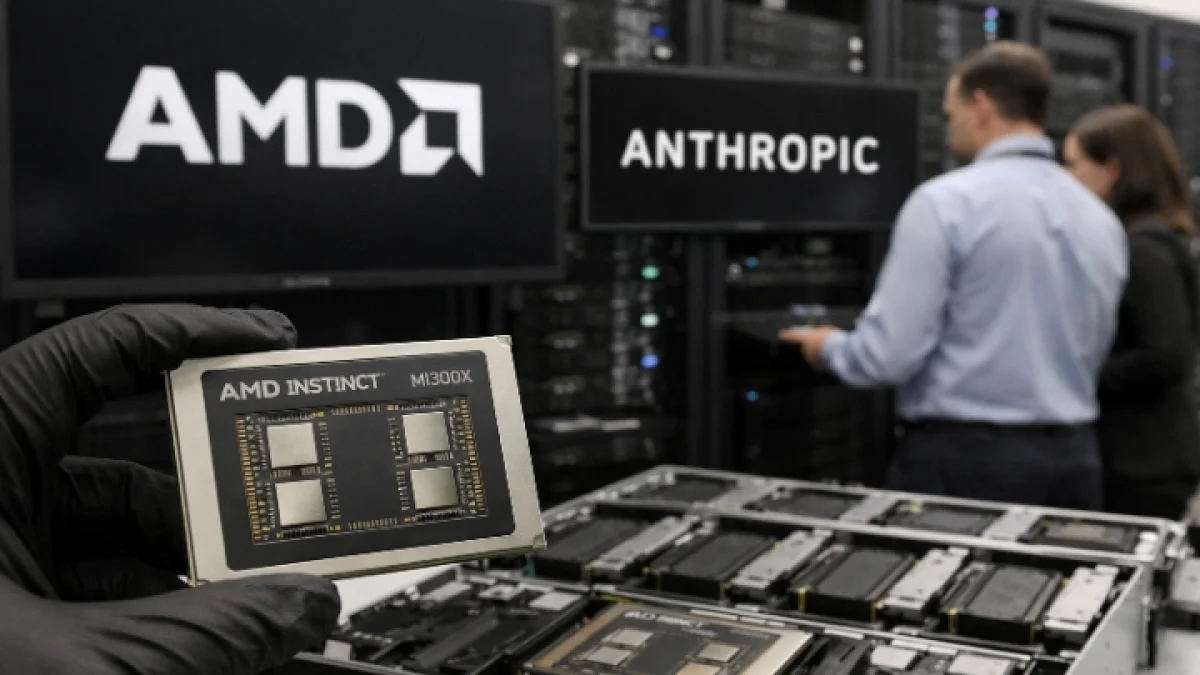
Chief Executive Officer Arvind Krishna told investors that customer spending patterns shifted significantly during the closing weeks of June, with businesses prioritizing purchases of servers, storage systems and memory components to secure AI-related infrastructure amid supply constraints and expected price increases. In a letter to investors, Krishna acknowledged that IBM "did not adapt and move quickly enough" and said several large transactions failed to close on schedule, contributing to the weaker results.
The company said cybersecurity concerns affecting customers also influenced purchasing decisions during the quarter. IBM emphasized that the figures released were preliminary and that final quarterly results could differ slightly when the company reports complete earnings later this month.
The warning weighed on broader software stocks, with several enterprise software companies also trading lower as investors questioned whether corporate technology budgets are increasingly being redirected toward AI infrastructure rather than software and services. Analysts said the results could signal that spending on AI hardware is displacing, rather than complementing, other areas of enterprise information technology investment.
Some analysts cautioned against drawing broad conclusions from a single quarter, noting that IBM's software business continued to post growth and that demand trends could become clearer over coming quarters. Others lowered earnings forecasts while maintaining that investors would closely monitor whether the shift in customer spending proves temporary or more structural.
IBM is scheduled to release its final second-quarter financial results on July 22, when investors are expected to seek additional details on customer demand, AI-related spending trends and the company's outlook for the remainder of 2026.